Let these Minnesota Olympians be your guide

The Minnesota Star Tribune asked Winter Olympians about the advice they take with them onto the snow and ice. Here’s what they said.

The Minnesota Star Tribune
February 17, 2026 at 9:11PM
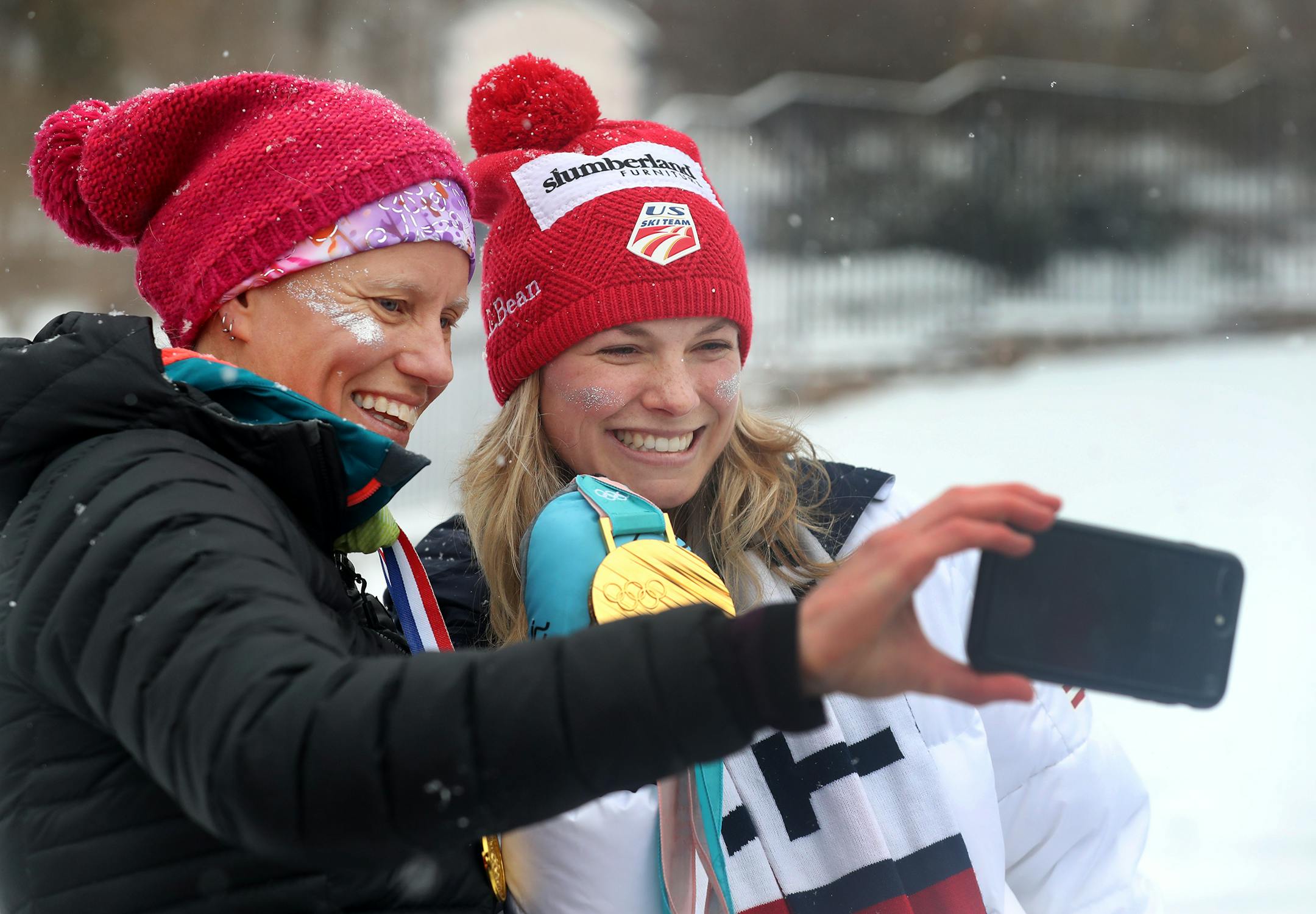
Cross-country skier Jessie Diggins, right, poses for a selfie with Kris Hansen, her high school coach, on April 14, 2018 during an event in Stillwater to celebrate Diggins' gold medal in the 2018 Winter Olympics. (David Joles/The Minnesota Star Tribune)

Before the 2026 Winter Olympics, the Minnesota Star Tribune asked athletes headed to the Milan Cortina Games about the best advice and most influential voices of their careers. Their responses have been edited for clarity.

Jessie Diggins

Throughout her decorated cross-country skiing career, Diggins had stressed the importance of sports psychology and mental health practices. She repeated the advice below after winning the bronze medal in the women’s 10km last week.

My very first coach was Kris Hansen. I got to work with her since I was 13 or 14 through when I graduated from [Stillwater] high school. I would say the best advice she gave me was my intro to sports psychology. After you finish the race, she would tell me, don’t look at the results. Think back on your race. Think about the goals that you set for yourself during the race and think of three things you did really well and then three opportunities for improvement. Like, how do you want to do this better next time? No matter if you win or if you’re last, you’re going to have things you did well and you’re going to have things you want to improve on. And that way, you take ownership of your race. You don’t let the result board tell you how to feel.
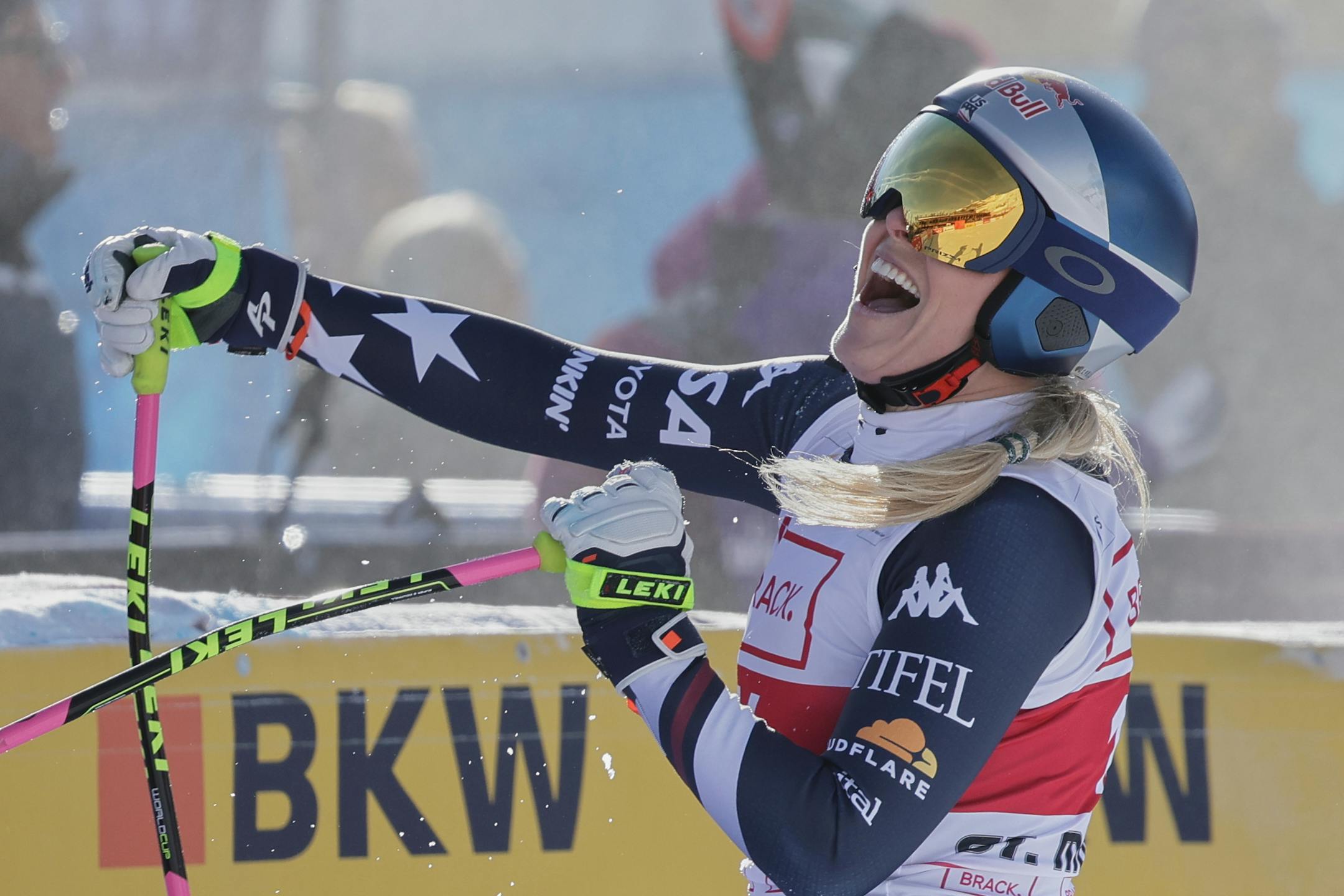
Lindsey Vonn celebrates in the finish area at the World Cup women's downhill in St. Moritz, Switzerland on Dec. 12, 2025. (Luciano Bisi/The Associated Press)

Lindsey Vonn

Vonn started training with Erich Sailer at Buck Hill in Burnsville when she was 7. She said she continued to seek his advice later in her Alpine skiing career, when he was in his 90s. Sailer died last year.

Erich was just always a coach that demanded the best of you, but also encouraged you. He was always my biggest supporter, but wasn’t afraid to tell me what I was doing wrong. Definitely never afraid to tell me what I was doing wrong. And I think his advice to me, to be myself, to not change my skiing — I took that as don’t change myself — that has always resonated with me throughout my whole life.
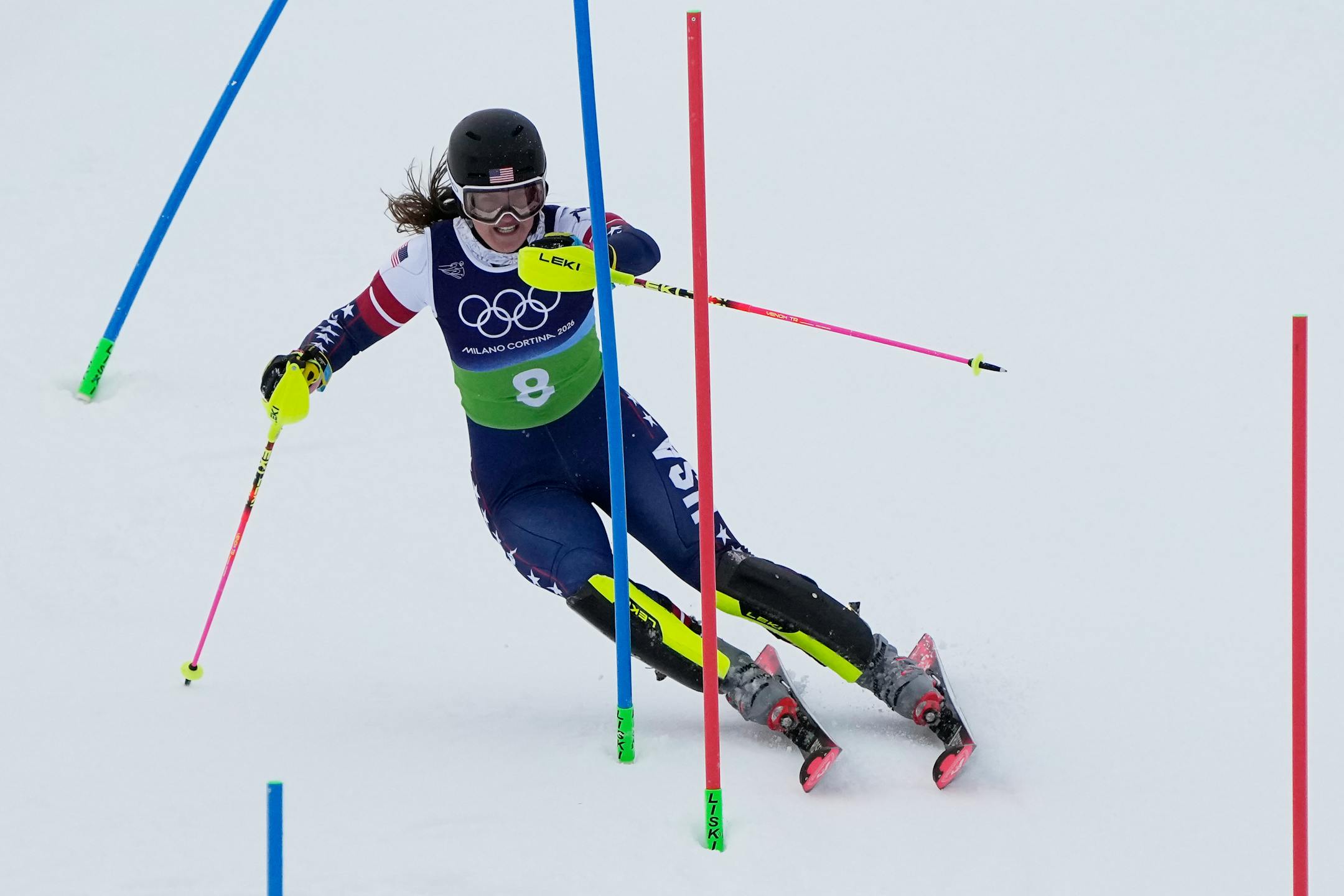
Paula Moltzan competes in the slalom portion of the women's team combined at the Olympics on Feb. 10. She won the bronze medal. (Andy Wong/The Associated Press)

Paula Moltzan

Moltzan, of Prior Lake, started skiing at age 2 at Buck Hill, where her parents were instructors. Two influential voices in her career are Erich Sailer and her husband Ryan Mooney, who is her ski technician.

At Buck Hill, I learned some grit and determination and a lot of hard work. Erich Sailer doesn’t really let you get away with just being mediocre and for me, that’s something that’s going to stick with me. He also has always treated me like an adult. I was 10, 11, 12, when I was working with him and he always spoke to me like I was an adult, not like a child. And I think that’s something I am trying to carry on into the next generation of not babying people, that they’re just an adult too.

[My husband] always tells me to write your story and believe in yourself. And I think that’s something that I’ve had to learn is just to always belong and always believe that I belong.
ADVERTISEMENT
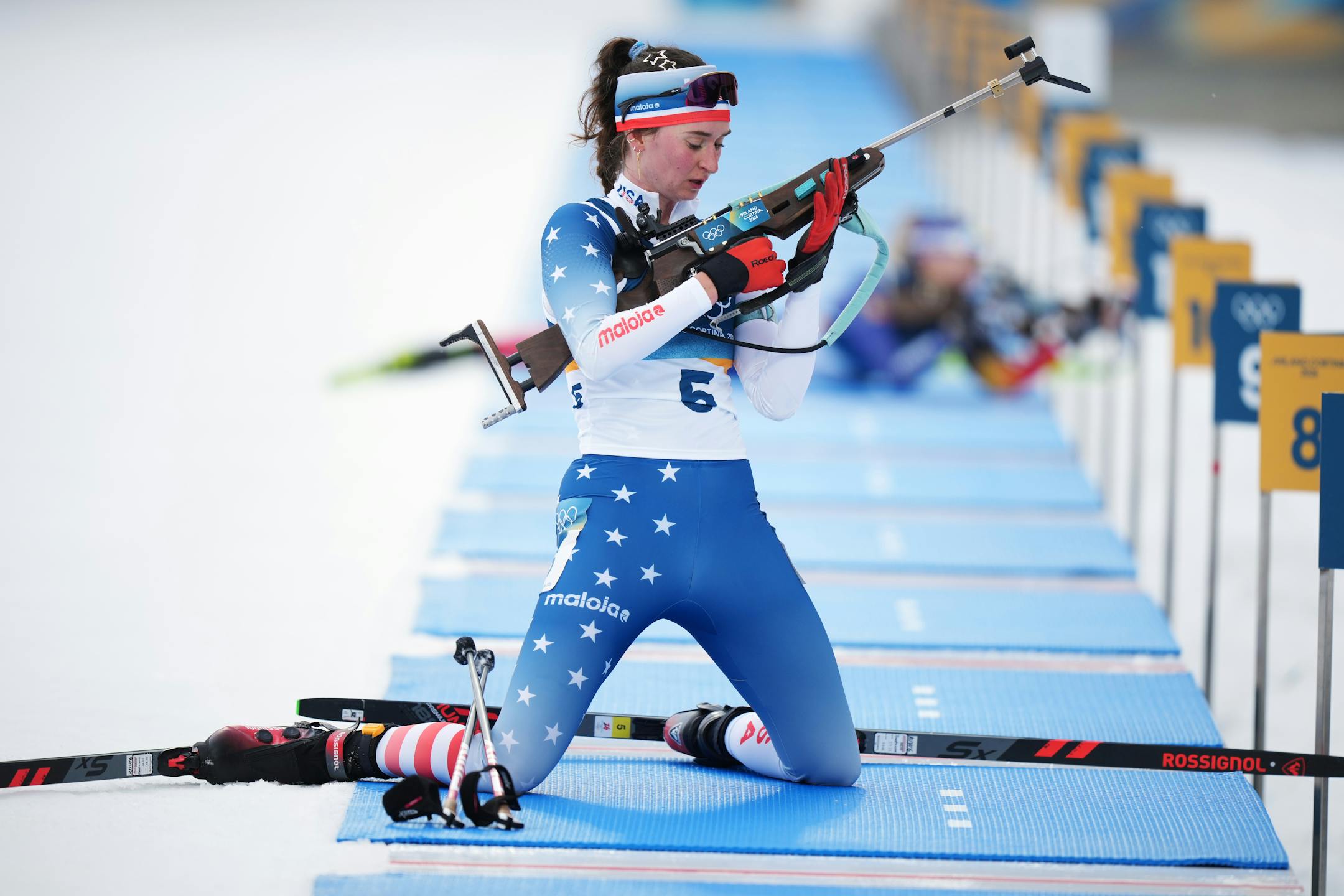
Luci Anderson prepares to shot in the women's 15-kilometer individual biathlon race at the Olympics in Anterselva, Italy, on Feb. 11. (Andrew Medichini/The Associated Press)

Luci Anderson

Anderson, of Golden Valley, only picked up biathlon in the summer of 2024. She’s competing in her first Olympics.

To trust my process. And to not worry about what other people are doing around you. This applies in biathlon to shooting on the range. Usually in a race you’ll come in and there will be like two or three other people around you shooting. Since I just started, I’m shooting slower, so I need to block out the noise of the people shooting around me. I know that they’re gonna shoot faster than me, so if I just get stressed, I’m gonna miss targets and then it’s just gonna be worse down the road.

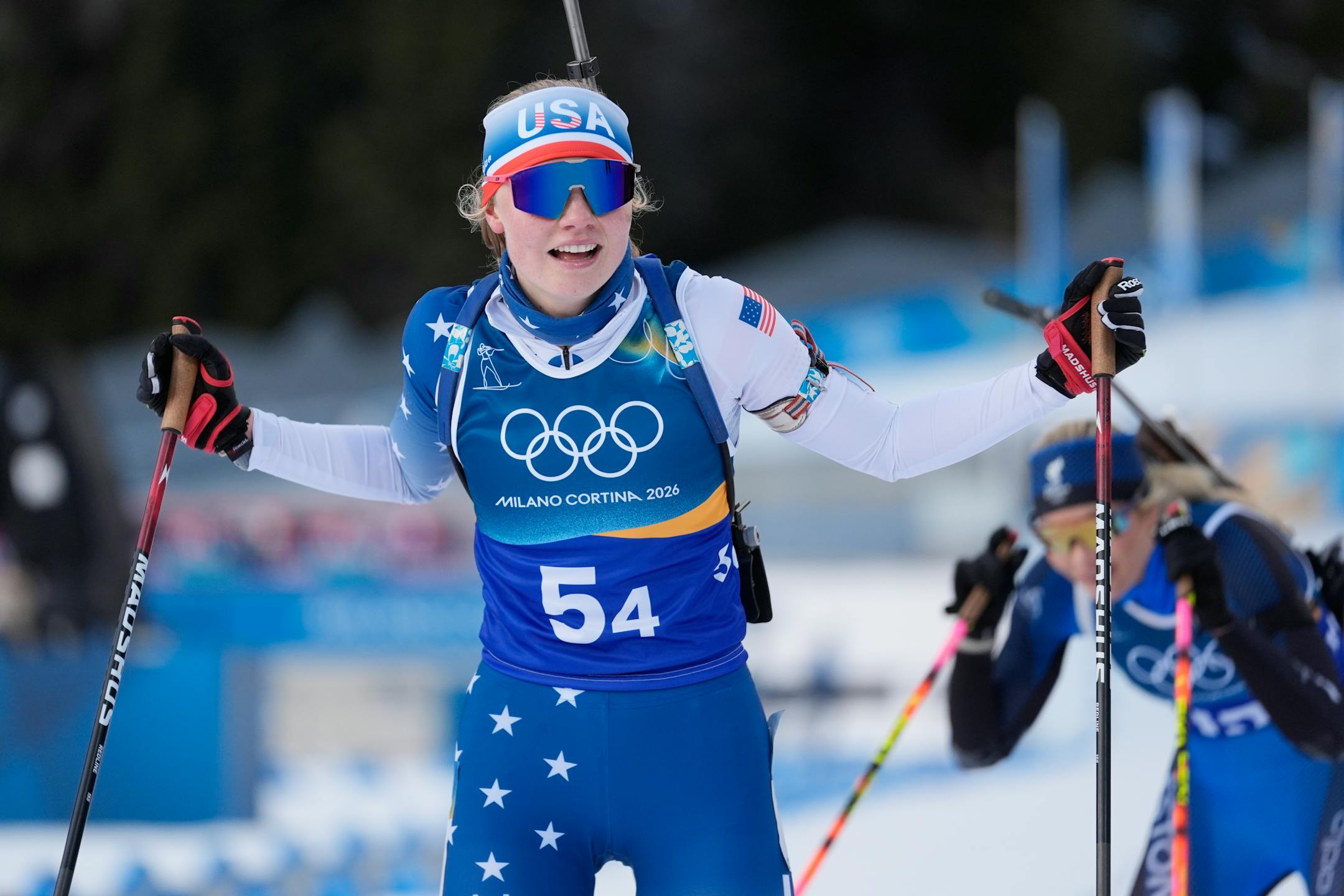
Margie Freed finishes the anchor leg of the 4x6-kilometer mixed relay biathlon race at the Olympics in Anterselva, Italy, on Feb. 8. (Andrew Medichini/The Associated Press)

Margie Freed

Freed, of Apple Valley, won a Nordic skiing state championship for Eastview. She was encouraged by her dad to attend a U.S. Biathlon camp to learn to sport.

Each shot is another opportunity. ... Even if I miss the first one, just go back. Do the same process for the next four and I’ll hit those ones. Kind of be like a goldfish. A lot of coaches have said that, but I’ve carried that over into kind of the skiing side of things and the rest of my life. If one thing doesn’t work out, I can still move on to the next thing and focus on that, and that’s another opportunity.

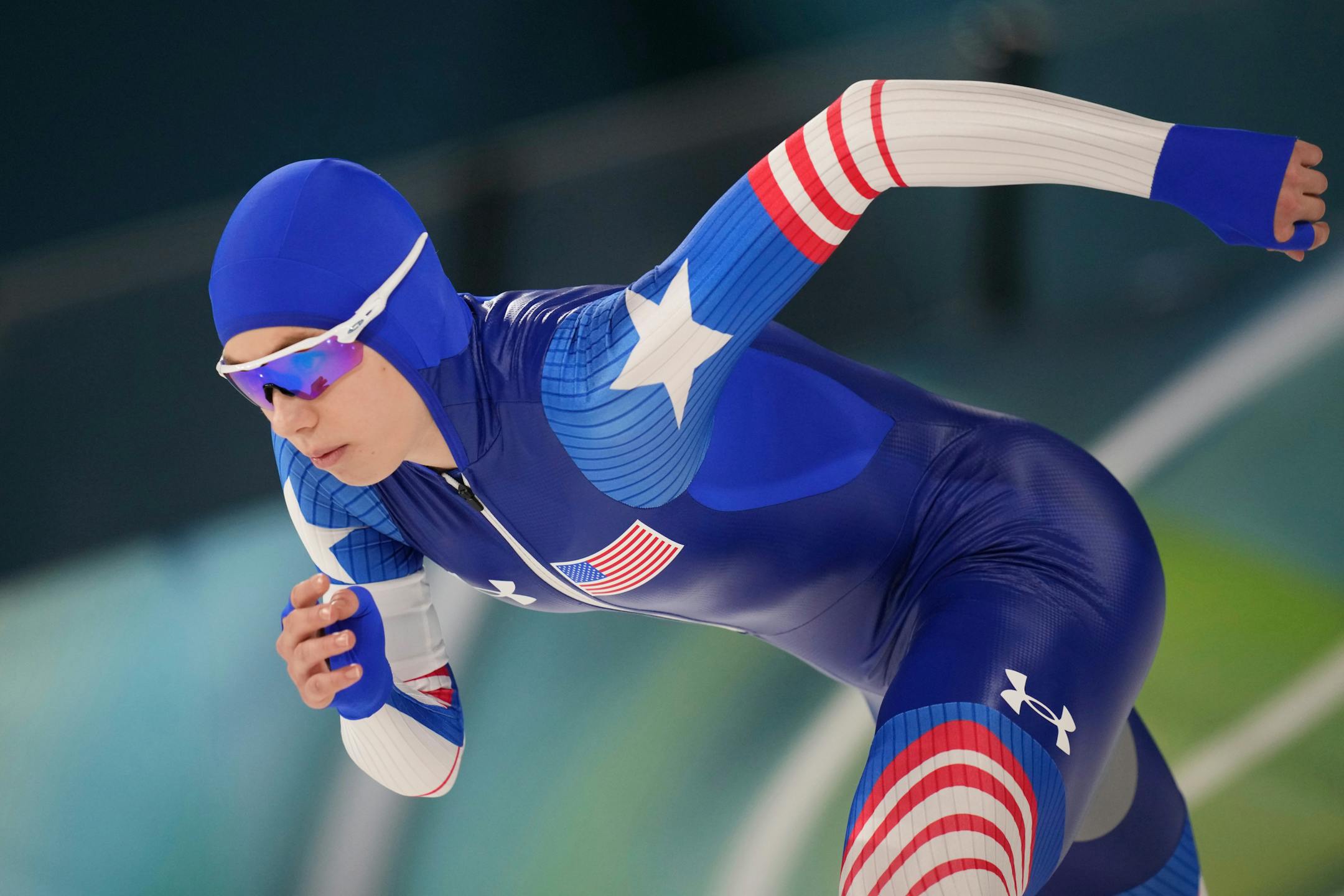
Greta Myers competes in the women's 3,000-meter speedskating race at the Olympics in Milan on Feb. 7. (Christophe Ena/The Associated Press)

Greta Myers

From Lino Lakes, Myers, 21, played hockey for the first 12 years of her life and switched to speedskating after learning at the Roseville Oval.

Focus on what you can control, stay in the present, and execute each detail. One thing at a time, focusing on the process, working step by step toward the end goal. Failure is feedback; don’t fear it. You can push your body much further than what your mind believes capable. Have fun and dream big.

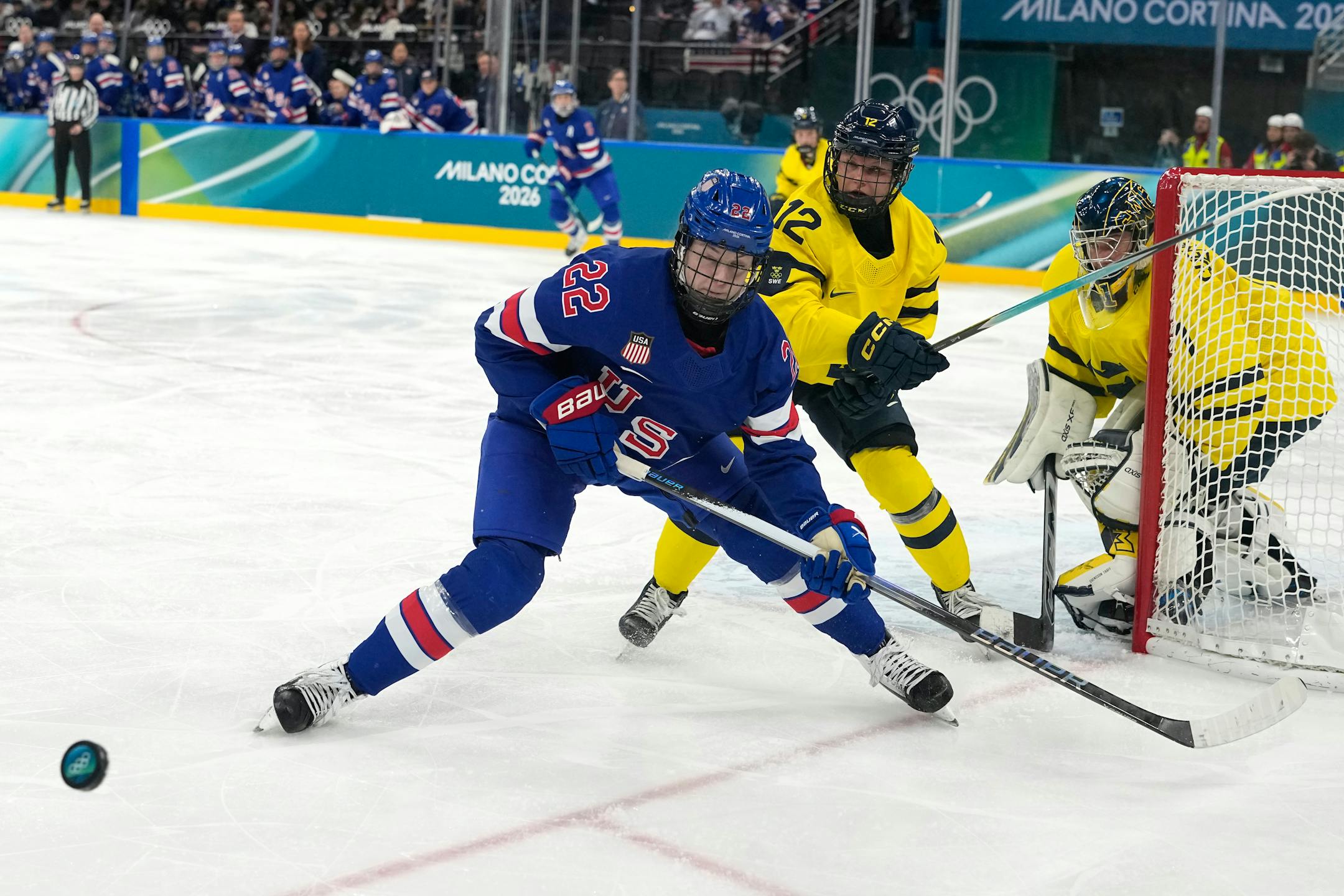
U.S. defender Lee Stecklein, left, during the women's hockey semifinal against Sweden at the Olympics in Milan on Feb. 16. (Hassan Ammar/The Associated Press)

Lee Stecklein

A defender for the Frost, Stecklein starred at Roseville High School and was a three-time national champion for the Gophers.

It was from my high school coach Vic Brodt. It was about playing my style and doing what I do well. I didn’t need to change who I was, a defensive defenseman, in order to be successful.

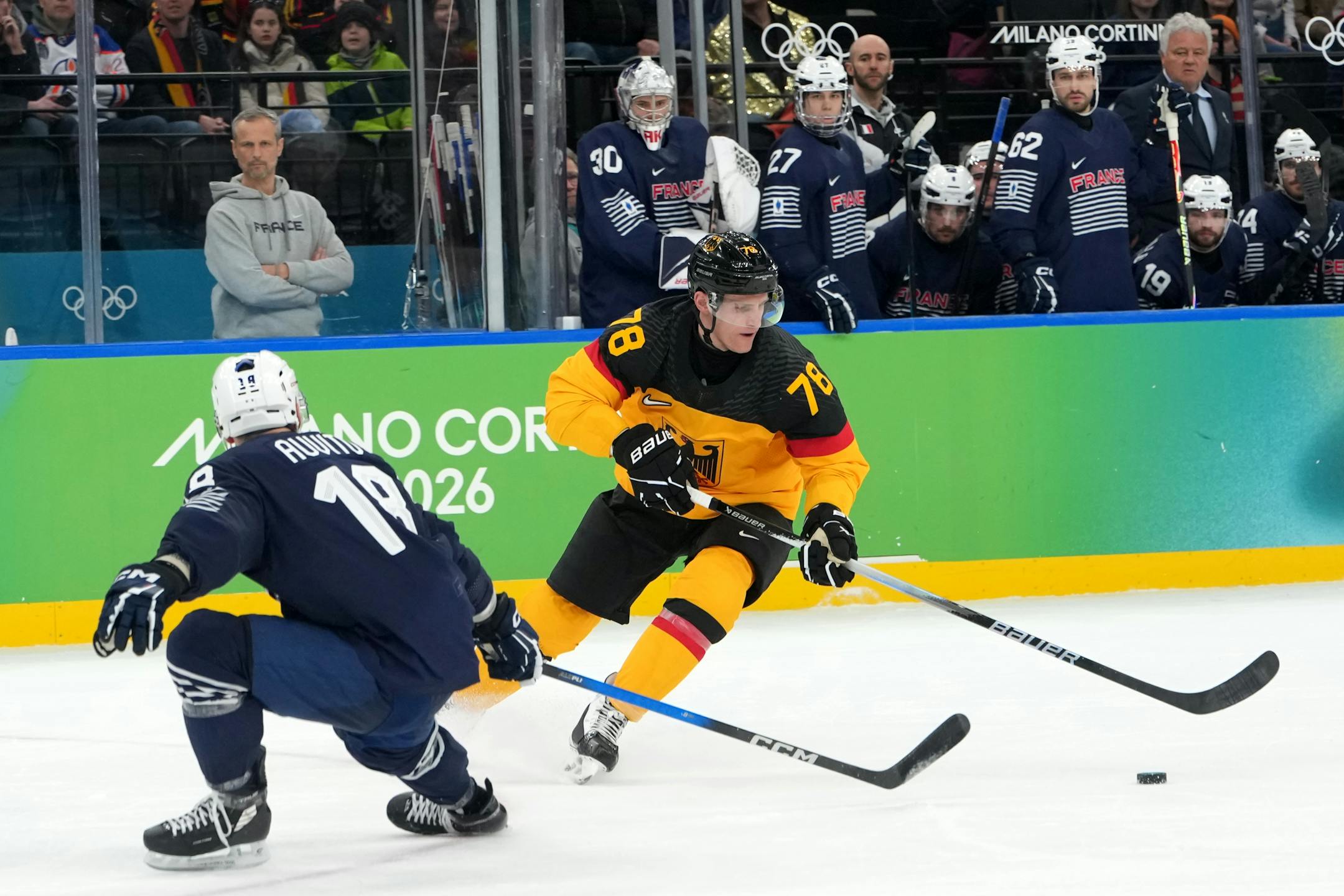
Nico Sturm, right, competing for Germany during the Olympics in Milan on Feb. 17. (Carolyn Kaster/The Associated Press)

Nico Sturm

Sturm, a center for Germany in the men’s hockey tournament, is one of 10 players from the Wild organization at the Games.

My second year juniors actually here, in Austin, Minnesota, Chris Tok and Jamie Huffman, they were instrumental for my development. Not even so much as a hockey player, but as a human being and growing up and taking responsibility for taking care of things in your life, and that eventually translated to how I approach the game of hockey. I always say this: Those two guys are a massive reason why I’m here, and they were there at the probably most important [juncture] of my career, the fork in the road where it’s like you can go either way, and they steered me in the right direction.

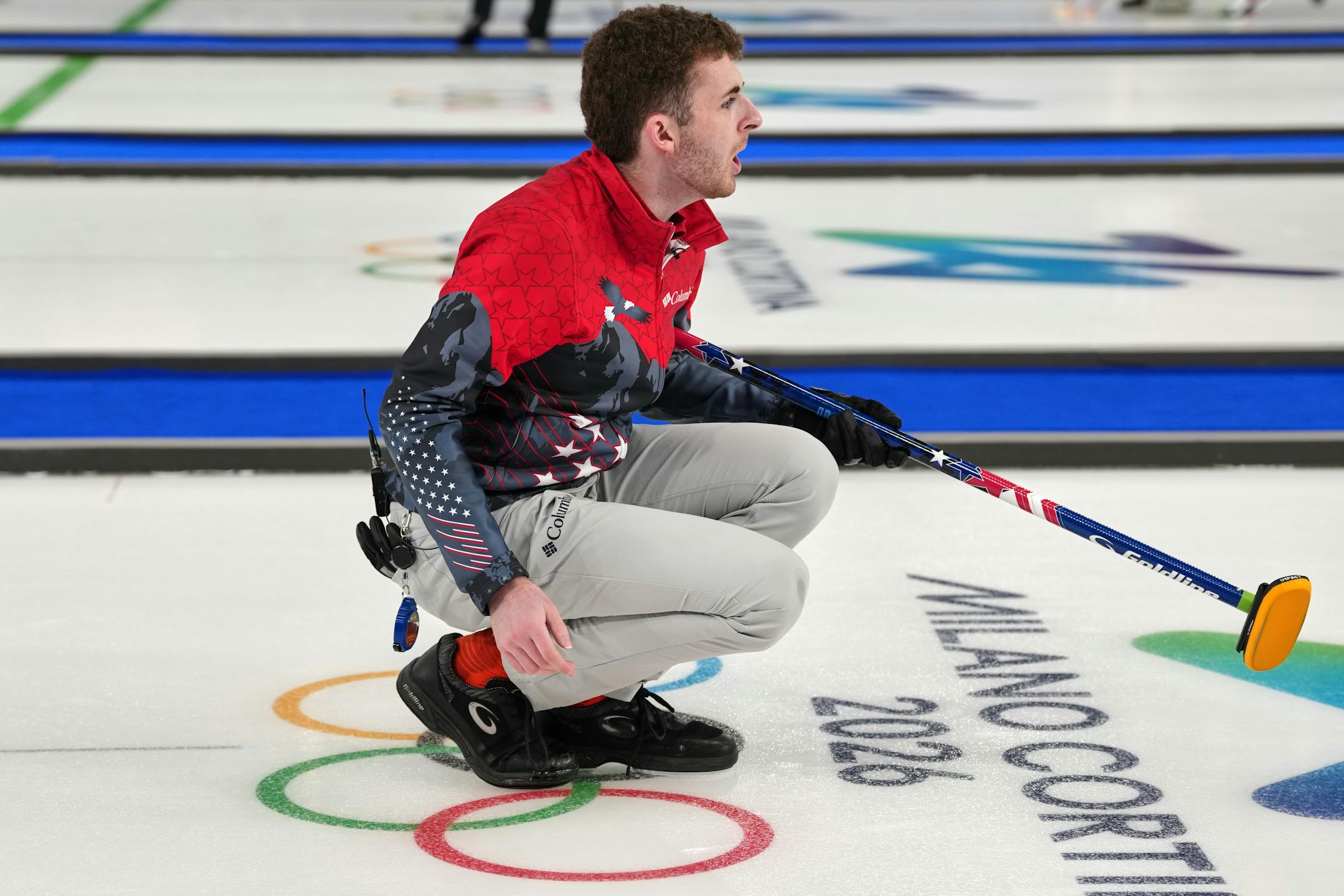
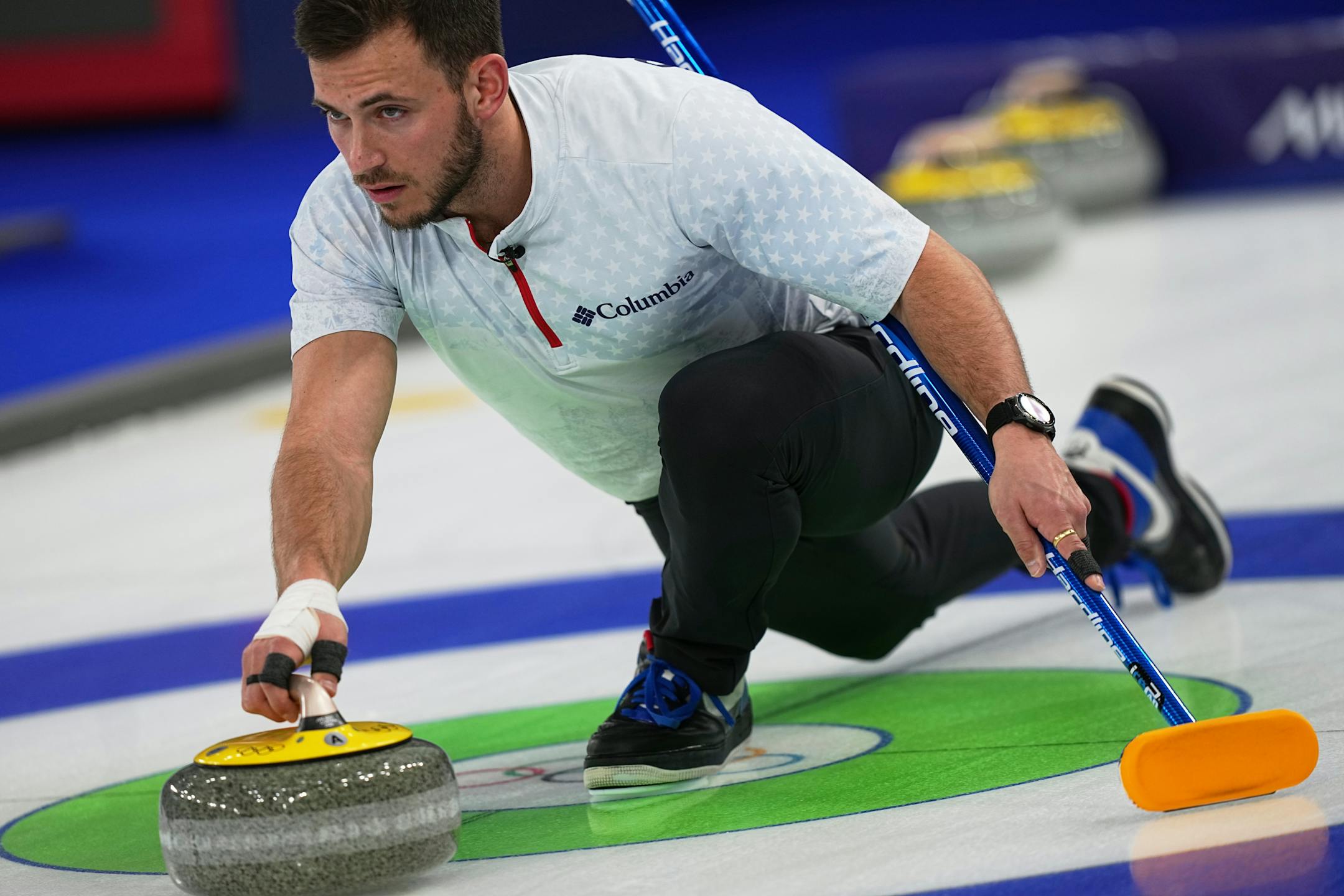
Danny Casper in action during the men's curling tournament at the Olympics in Cortina d'Ampezzo, Italy, on Feb. 15. (Misper Apawu/The Associated Press)

Danny Casper

Casper skipped his rink to its first Olympics at age 24, winning the U.S. curling trials and a qualifying tournament over more veteran teams. He has leaned on veterans based in Minnesota as mentors since he moved to the state from New York.

It was our final game to get us to the Olympics and I felt kind of nervous. I called Chris Plys and told him I felt different. He told me it’s an honor and privilege to play in games that give you that feeling. No matter if you win or lose, experiencing that feeling and having those nerves is an honor. That was a good point, and I immediately felt better.

Korey Dropkin competes against Italy in the semifinals of the mixed doubles curling event at the Olympics in Cortina d'Ampezzo, Italy, on Feb. 9. (Fatima Shbair/The Associated Press)

Korey Dropkin

Dropkin, a silver medalist in mixed doubles curling who lives in Duluth, grew up at Broomstones Curling Club in Wayland, Mass., where his parents, Keith and Shelley, and older brother Stephen also curled.

One of the big things that my dad always told me was get the reps in and, in general beyond just curling, there’s no time like the present. He always told me there’s no time like the present and so that’s been very relevant in my life in terms of getting things done and preparing for things and making sure I’m giving everything in terms of how I prepare for everything.

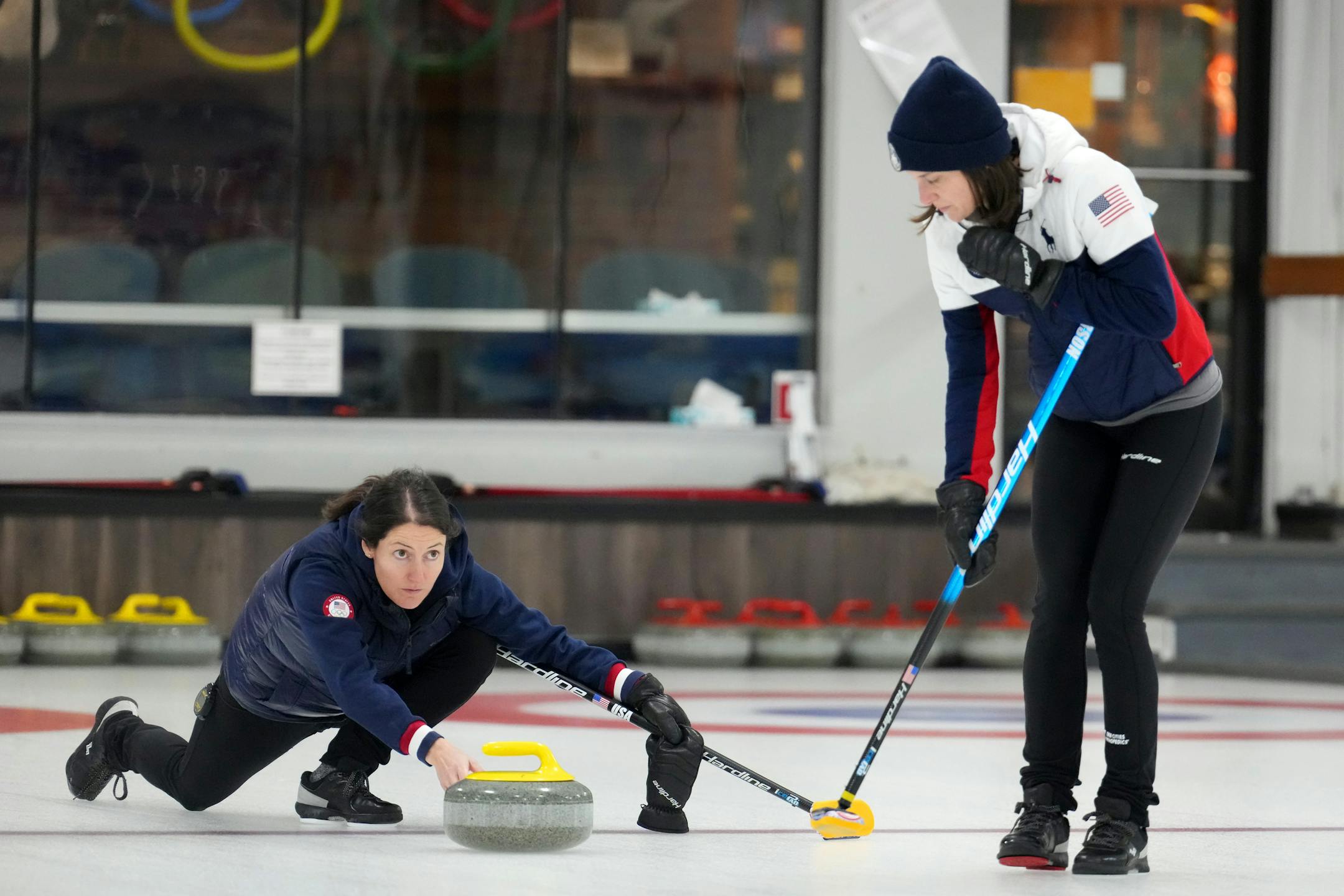
Sisters and Olympic curling partners Tabitha Peterson Lovick, left, and Tara Peterson practice on Jan. 15, 2026 at the St. Paul Curling Club. (Anthony Souffle/The Minnesota Star Tribune)

Tabitha Peterson Lovick

Curlers Tabitha Peterson Lovick and her sister Tara Peterson got their start at the St. Paul Curling Club when their parents joined and signed them up as well.

Swing for the fences. From my mom.

Tara Peterson

Curling is easy; don’t make it hard. From our coach Cathy Overton-Clapham.

La Velle E. Neal III, Naila-Jean Meyers, Chip Scoggins, Emily Leiker and Sarah McLellan of the Minnesota Star Tribune contributed reporting.

about the writer

about the writer

Star Tribune staff

See Moreicon

More from Olympics

See More
card image
Carolyn Kaster/The Associated Press

With a roster full of NHL players, Sweden was in danger of the earliest possible exit at the Olympics. Instead, it's moving on to face the U.S. in the quarterfinals.

card image
card image