Yuen: The classroom distraction no one wants to talk about

We took phones out of classrooms — and handed kids something just as addictive.

Columnist Icon
The Minnesota Star Tribune
October 12, 2025 at 12:00PM
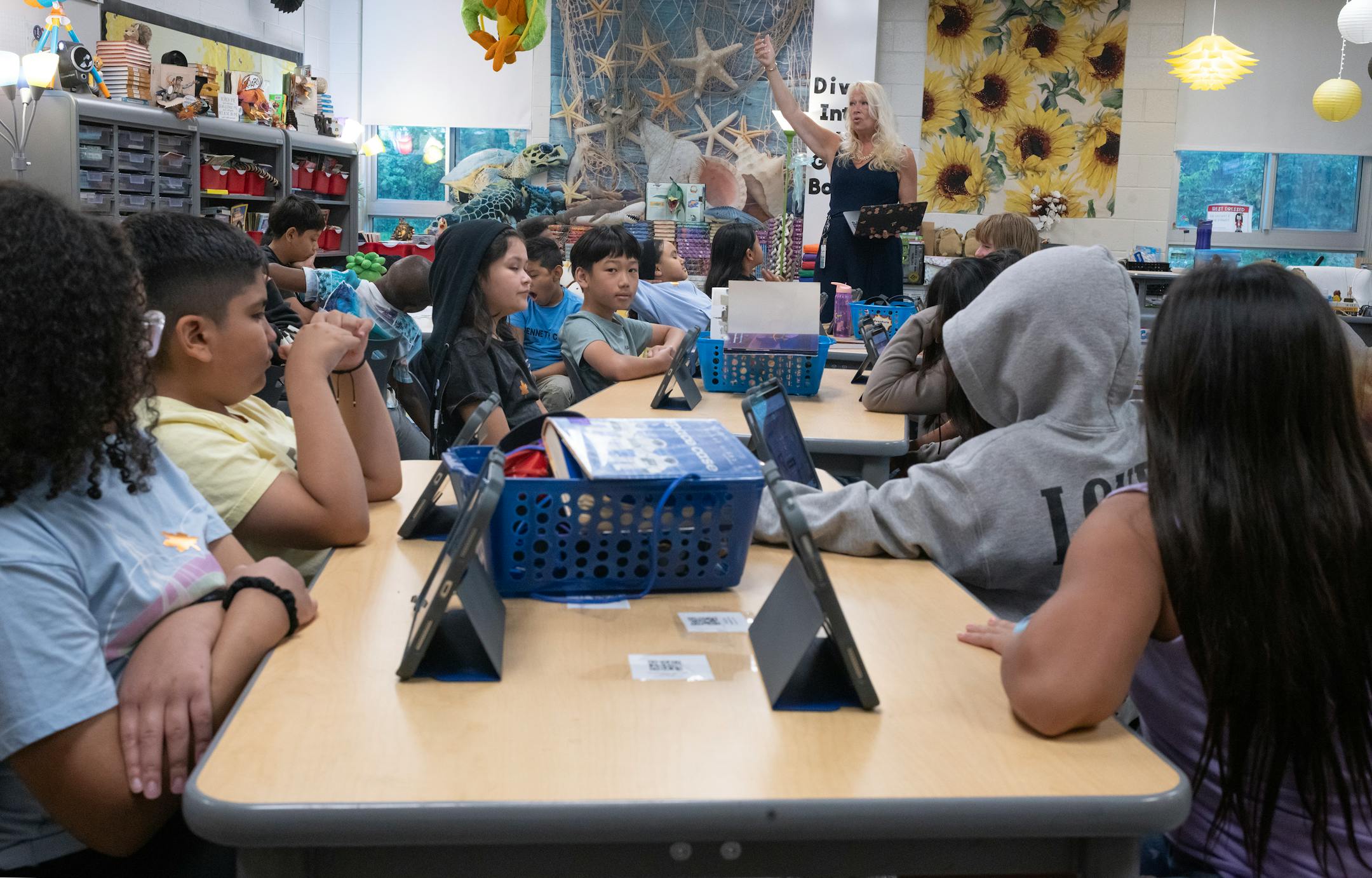
Even after districts have restricted student cellphone use, screens are still being used in the classroom. (Jerry Holt/The Minnesota Star Tribune)

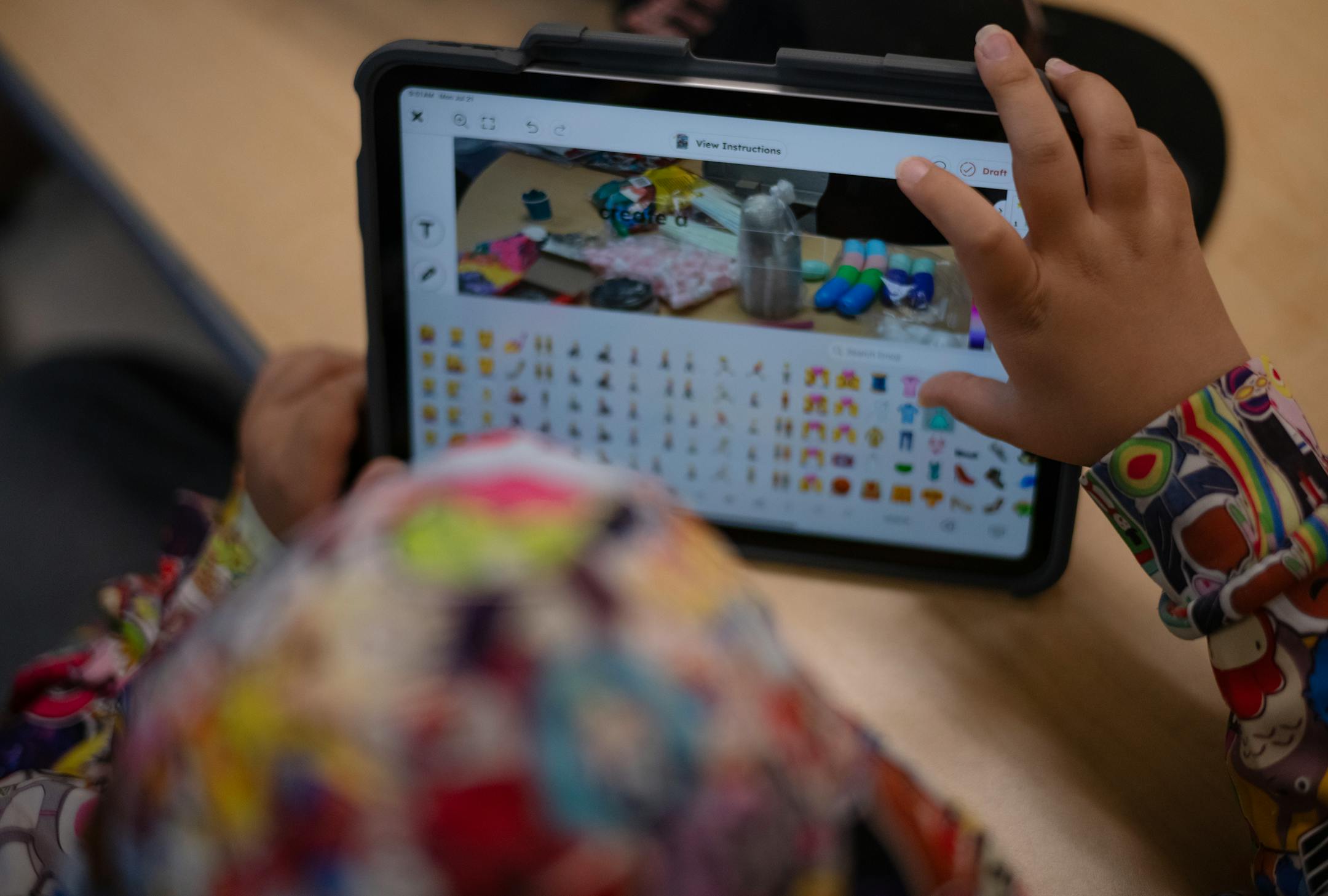
A wave of validation swept over me when I read the many emails from teachers and parents who responded to my column about how overuse of screens in classrooms is hurting education. Even though plenty of Minnesota districts and private schools have restricted cellphone use, students are still using school-issued iPads and Chromebooks, in many cases several hours a day.

Parents described how their children cannot resist playing games or scrolling through short-form videos on their tablets while procrastinating homework, a scene all too familiar in my house. Educators said the distractions from screens extend into the classroom, saddling them with an exhausting game of Whac-A-Mole.

The accounts were disturbing but reassuring: It’s not only my kid.

Jeff Krause, who recently retired from teaching science at Edina High School, said everyone from lower-achieving students to the Ivy League-bound were using messaging apps or playing games on their laptops in his class. Once the devices were introduced, students were socializing and collaborating with one another far less, he added.

“Post-COVID, you couldn’t pry these things from their cold, dead hands,” he said. “It was nearly universal. We found that multiple students were highly distracted, multiple tabs on their browsers, multiple shopping websites and social media galore.”

Krause described himself as an early adopter of educational technology, but said his department began to pull back and assign more paper-and-pencil activities because of the distracted learning associated with screens. That decision was also guided by research suggesting that writing by hand is better for memory and learning than pushing buttons on a device.

Younger grades on screens

Overreliance on screens can start well before high school. The Wall Street Journal reported that sixth grade is when it peaks: Sixth-graders spend an average of 2 hours and 24 minutes a day on their screens in school. That amounts to more than a third of their instructional time. On average, students in first through 12th grade spend 98 minutes on school-issued devices during the school day, the Journal reported.

An elementary school teacher from St. Paul Public Schools, which provides each student with an iPad, wrote me to share problems that emerged after the district adopted a new math curriculum that heavily relied on the device.

She said many of her second-graders needed extensive help logging in, while others were determined to play games or scroll on YouTube. The teacher said she’s concerned that districts are incorporating technology to shave costs or to easily track assessment data, rather than putting students first in their decisionmaking. (She didn’t want to be identified for this story because she wasn’t authorized by the district to speak.)

As a mom, she has also been researching elementary schools for her child that don’t subscribe to 1:1 technology, which puts a device in the hands of every student.

“There are a few private schools in the area that use Chromebook carts as opposed to individual devices, but the only elementary schools I’ve been able to find that don’t use any technology at all are the two Waldorf schools in the Twin Cities,” she said. “They’re both quite pricey, and it is alarming to me that there are not more options for families who are looking to limit tech use in schools during the elementary years.”

The next frontier after phones

There’s been nothing short of a cultural seismic shift in how families regard smartphone use. Can we learn from that movement?

Taj Stewart, left, and Thomas Becken talk with friends as they participated in “Log Off Lunch” at Two Rivers High School in Mendota Heights last March. The program encouraged students to put away their phones and instead focus on human interaction. (Alex Kormann/The Minnesota Star Tribune)

“We’re in this breathless moment,” said Casey Mock, senior policy director for the Anxious Generation, a team that is pushing for the ideas laid out in Jonathan Haidt’s book by the same name. The problem of phones in schools, he said, “is largely being solved.”

Nineteen states, both blue and red, have enacted what his group considers optimal legislation restricting cellphones in school, from the start of the school day to the last bell. (Minnesota falls short of that threshold. A new state law directs districts and charter schools to adopt policies on cellphone use but does not specify the nature of the policy or how far it should go.)

Haidt’s book has compelled countless parents to take a stand: We refuse to buy phones for our kids before high school. We insist on no social media until 16. We shoo our kids outside to play. And we’ve encouraged our school leaders to ban phones from the classroom.

But we’re being undermined by schools that give our kids a similar device without many controls.

Some education experts say the next frontier could be setting limits on tablets and laptops in the classroom. Mock says that fight will be trickier, given that Google Chromebooks and technology apps are so entwined with modern education. School administrations were quick to adopt ed-tech products without asking who built them and why, Mock said.

“These companies make money not on classroom results, but on selling kids’ data,” he said.

Responsible tech use

It’s not to say that technology shouldn’t be used in the classroom. I also heard from educators like Edward Reiff, a chemistry teacher at Como Park High School in St. Paul, who said the benefits outweigh the harms when implemented responsibly.

In his chemistry class, students work in small groups while Reiff circles the room. He makes sure they’re on task while he answers questions and teaches “mini-lessons” to each table. Students take notes on paper and pencil and click a photo to submit.

To be sure, tech in school has its benefits: If every child has access to a device, it helps equalize access across income disparities. It’s a game-changer for students with visual impairment and dyslexia. Kids can catch up on work more easily after absences because the curriculum is online. Technology may engage nontraditional learners and allows students to work at their own pace.

Kathryn Perotta gives instructions to fourth-graders during a summer literacy lesson at Frost Lake Elementary in July. “I want parents to know that screen time in the classroom is not passive,” she said. “It’s something that is purposeful, closely monitored and balanced.” (Jerry Holt/The Minnesota Star Tribune)

Reiff said he’s witnessed his students master a subject and explain a new concept through video, a medium that resonates with them.

“Being effective with technology in the classroom is often that balance between consumption and creation,” he wrote. “When students create authentic content, it rewires their brains to make more meaningful connections. The investment is very worthy.”

Mark Domeier, a middle-school English teacher in southern Minnesota, said his students use their Chromebooks most days in class. Sometimes he demands that they close the computers when he teaches. He also relies on a software called GoGuardian, which allows him to see what is displayed on each student’s screen when they are working.

“It is our responsibility to prepare kids for the future, one that involves technology,” he said. “We have to — with the help of their parents, hopefully — teach them how to balance their work with wanting to play some block game.”

How parents can advocate

But I’d argue that some kids will be no match for the temptation of games and YouTube at their desk. A parent of a sixth-grader said her son, who attends school in a suburban district, was struggling with homework and increased screentime at school. His math teacher, after switching to paper, saw the student’s grades improve. The mom followed up with other teachers, who pledged to keep an eye on him and use paper and physical books when possible.

“The dopamine hit the games and YouTube provide are a lot for a 12-year-old to ignore,” the mom told me.

This mom’s example inspired me to have similar conversations with my middle-school son’s guidance counselor and teachers. His school acted fast to block a gaming website after I showed his counselor a swastika that appeared on his school iPad. We’re still trying to figure it out. But I’ve come to realize that solving this isn’t just about one kid, one parent or one school.

Schools need to make sure teachers are trained in the thoughtful use of classroom technology. Districts cannot get rid of their tech specialists or monitoring software as budgets shrink. Parents should keep talking — to each other, to school leaders and to their kids.

We reined in phones in the classroom. We can rethink classroom tech, too.

Sign up here to follow Laura’s columns by email.

about the writer

about the writer

Laura Yuen

Columnist

Laura Yuen writes opinion and reported pieces exploring culture, communities, who we are, and how we live.

See Moreicon

More from Culture

See More
card image
Marco Borggreve/Minnesota Orchestra

The Minnesota Orchestra concert also includes works by Caroline Shaw and Joseph Haydn.

card image
card image