How did Minnesota become home to the world’s first shopping mall?

Southdale’s architect had a vision to thwart the cold and create an indoor town square in Edina where it was always 75 degrees.

The Minnesota Star Tribune
November 28, 2025 at 12:00PM
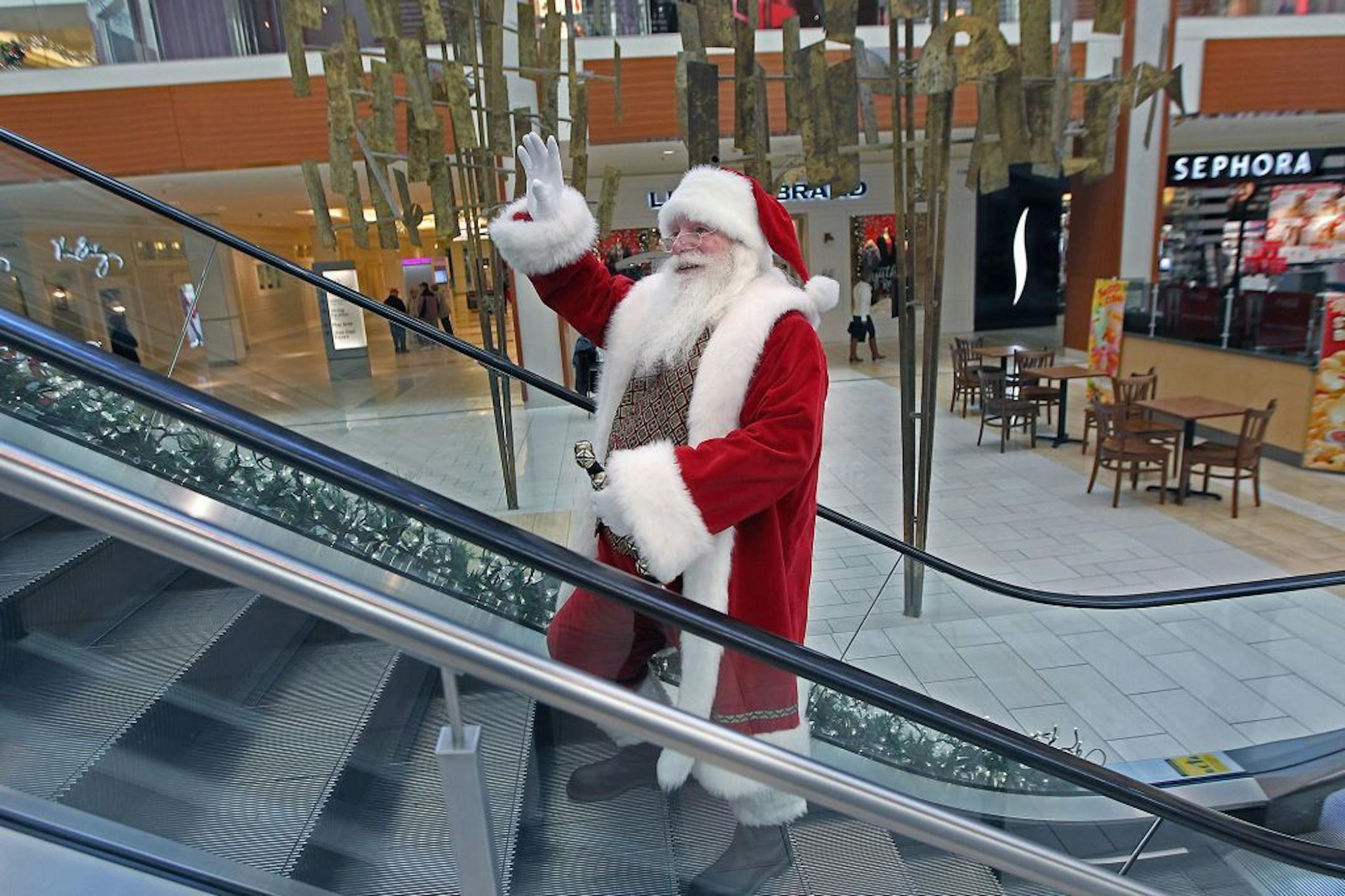
"Santa" waved to people as he made his way to the Christmas photo booth at Southdale Mall, Friday, December 4, 2015 in Edina, MN.
Santa waves as he makes his way to the Christmas photo booth at Southdale in 2015. The Edina mall was the first fully enclosed shopping mall in the world. (Elizabeth Flores/The Minnesota Star Tribune)

Listen and subscribe to our Curious Minnesota podcast: Apple Podcasts | Spotify

Minnesota claims not one but two shopping mall superlatives: the first and the biggest.

Southdale in Edina became the first fully enclosed shopping mall in the world when it opened in 1956. And the Mall of America in Bloomington is the biggest in the United States (and North America, if you go by size — Canada’s West Edmonton Mall wins if you compare total leasable space).

John Scully was thinking about Southdale recently. He has a very early memory of the mall as a child. “I remember a zoo room in the basement that had a monkey in a cage,” he said.

Scully, who now lives in Prior Lake, wrote to Curious Minnesota, the Strib’s audience-powered reporting project, to ask about the pioneering mall’s history.

During Southdale’s early days, besides the zoo that Scully recalls (which housed a lion and a chimpanzee named Zsa Zsa), there also was a parrot at one entrance that would greet shoppers with “Hello!” and “Good morning.” The mall’s center court had a fountain and a giant birdcage with 50 yellow canaries.
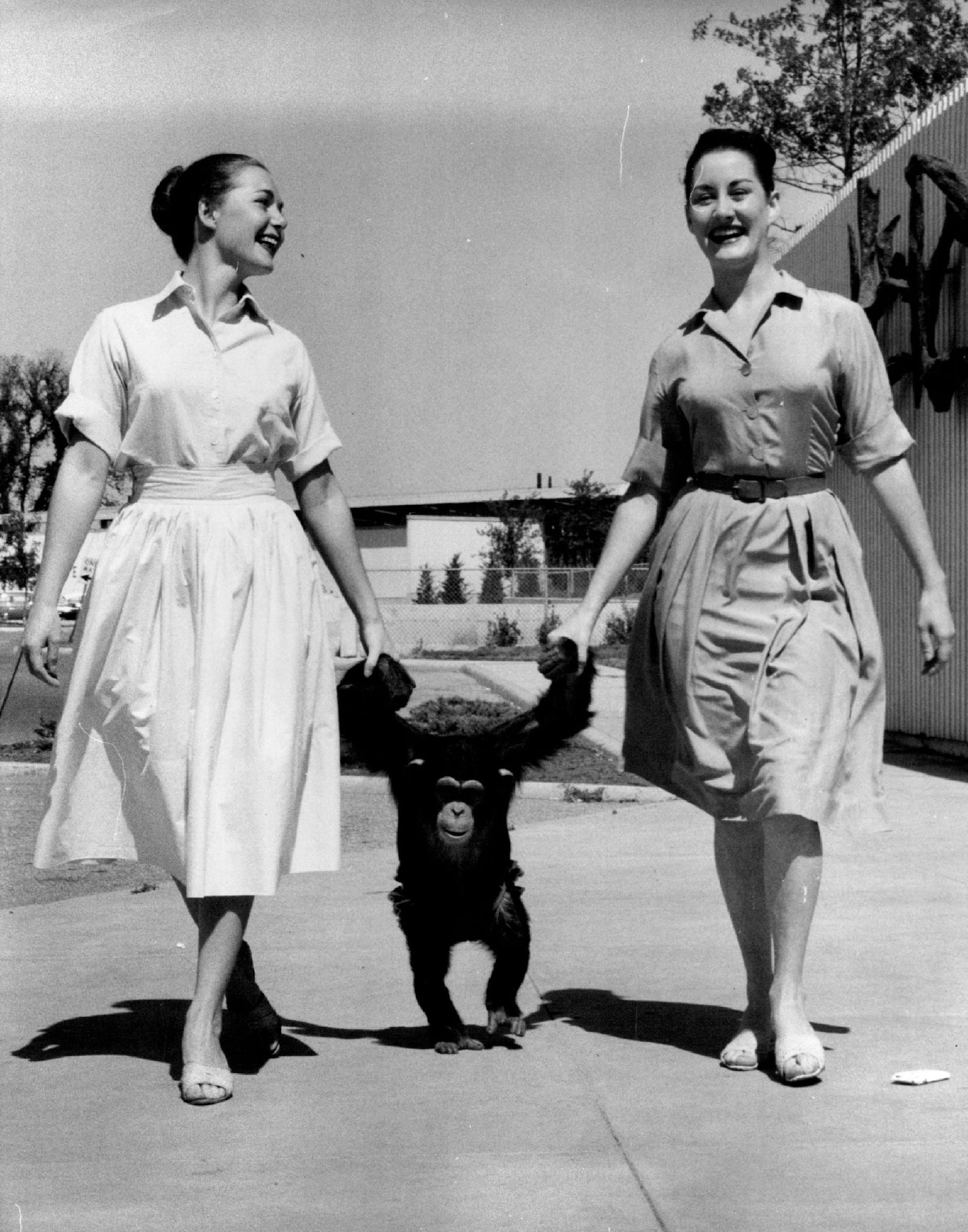
Zsa Zsa, the chimpanzee from the Southdale Zoo, goes for a walk outside in 1959. (Larry Schreiber/The Minnesota Star Tribune)

Southdale’s debut spawned more “dale”-named malls in the Twin Cities as well as thousands of suburban shopping malls across the country, shaping an era of American life.

“The model that Southdale provided was of an exurban island with as many civic functions as possible under one roof,” wrote Alexandra Lange in her mall history, “Meet Me by the Fountain.” “Once you had parked in the lot, you could move freely through a variety of environments and — this would be Southdale’s biggest coup — you could do it 365 days a year.”
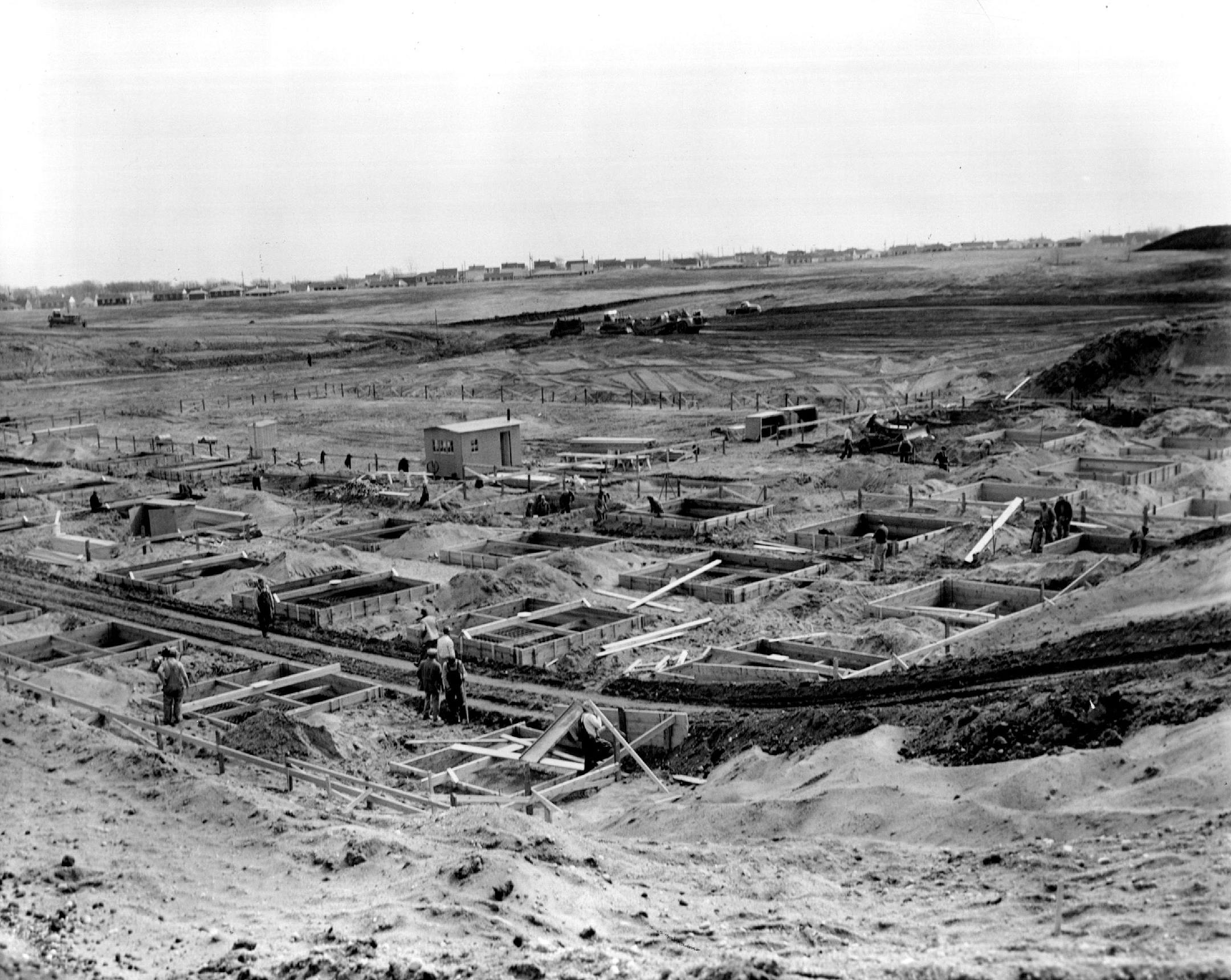

Built in an area that was undeveloped at the time, Southdale also marked the moment Edina became a true suburb, said Mary Agnes Ratelle, interim executive director at the Edina Historical Society.

“If you see early photographs of Southdale and of that area, there’s not a lot around it. It’s just open fields,” Ratelle said. “Once Southdale was built, that very much marked the official end of Edina’s rural history and its solidification as a suburban community.”

April 4, 1955 Taking Advantage of the weather, workmen today started pouring concrete footings for the 10-million dollar Southdale shopping center at Sixty-sixth and France avenue S. in Edina. Groundbreaking ceremonies for the major shopping center in which Dayton's and L.S. Donaldson Co. are co-operating were held last October. Completion of the project is scheduled for the fall of 1956. Investment in the center and surrounding Southdale residential area eventually will total 15 million dollars
In 1955, workmen start pouring concrete footings for Southdale, which was then surrounded by open fields. (The Minnesota Star Tribune)

‘Like Venice’ in Edina

Minnesota’s cold weather played a role in the creation of the suburban American shopping mall.

In the early 1950s, Donald Dayton, president of Dayton’s department store in downtown Minneapolis, commissioned a shopping study. It found Minnesota had only 126 “ideal shopping weather” days a year, according to a Minnesota Historical Society account.

Seeking a way to boost sales during the winter days when shoppers didn’t want to go outside, the Daytons hired a Vienna-born architect named Victor Gruen.

“Inventions sometimes are based on coincidences,” Gruen wrote in his memoir, “Shopping Town.” “I had occasion to visit Minneapolis repeatedly. During those visits, the city was either buried in snow and bitter cold in winter, or scorching hot in summer, or rained out in spring and autumn.”

Gruen had an idea for a new kind of shopping space that was completely covered and climate-controlled, where storefronts faced inward along indoor lanes that led to a central courtyard. The garden court was “the inspiration for all future mall atria,” wrote Lange.

Inside the center, which ultimately cost $20 million to build, it would always be 75 degrees.

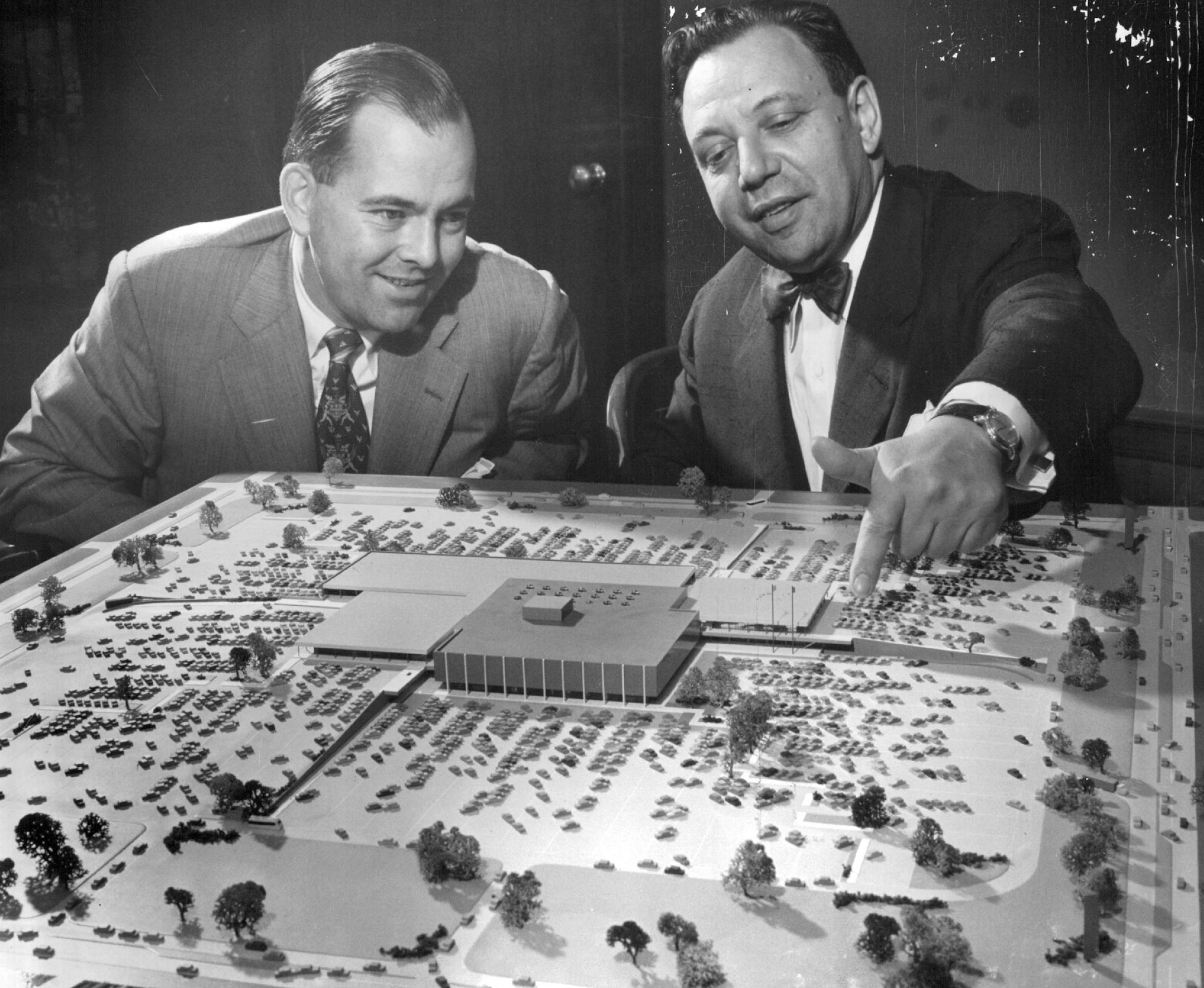
Dayton Company President Donald C. Dayton and architect Victor Gruen study a model of the planned Southdale shopping center, June 17, 1952. (Marty Nordstrom/The Minnesota Star Tribune)

The Daytons invited competitor Donaldson’s to be the mall’s other anchor tenant, along with a Red Owl supermarket and more than 70 other stores.

On the eve of Southdale’s Oct. 8, 1956, opening, the Minneapolis Tribune called the new center “an astonishing combination of modern retailing and the traditional town square in an always-summertime atmosphere.”

The idea of an indoor town square was a big part of the vision that Gruen, the mall’s architect, had for Southdale. He wanted to build housing, parks and hospitals nearby and create a new kind of place for suburbanites to gather and find culture and community. “We must separate the vehicles from the people,” he told Minneapolis Tribune columnist Barbara Flanagan. “Like Venice.”

He said he modeled the mall’s garden court after the Italian city’s St. Mark’s square, calling Southdale, “a place where people will learn how to stroll again and look around them at other people and things and stop and talk if they want to.”

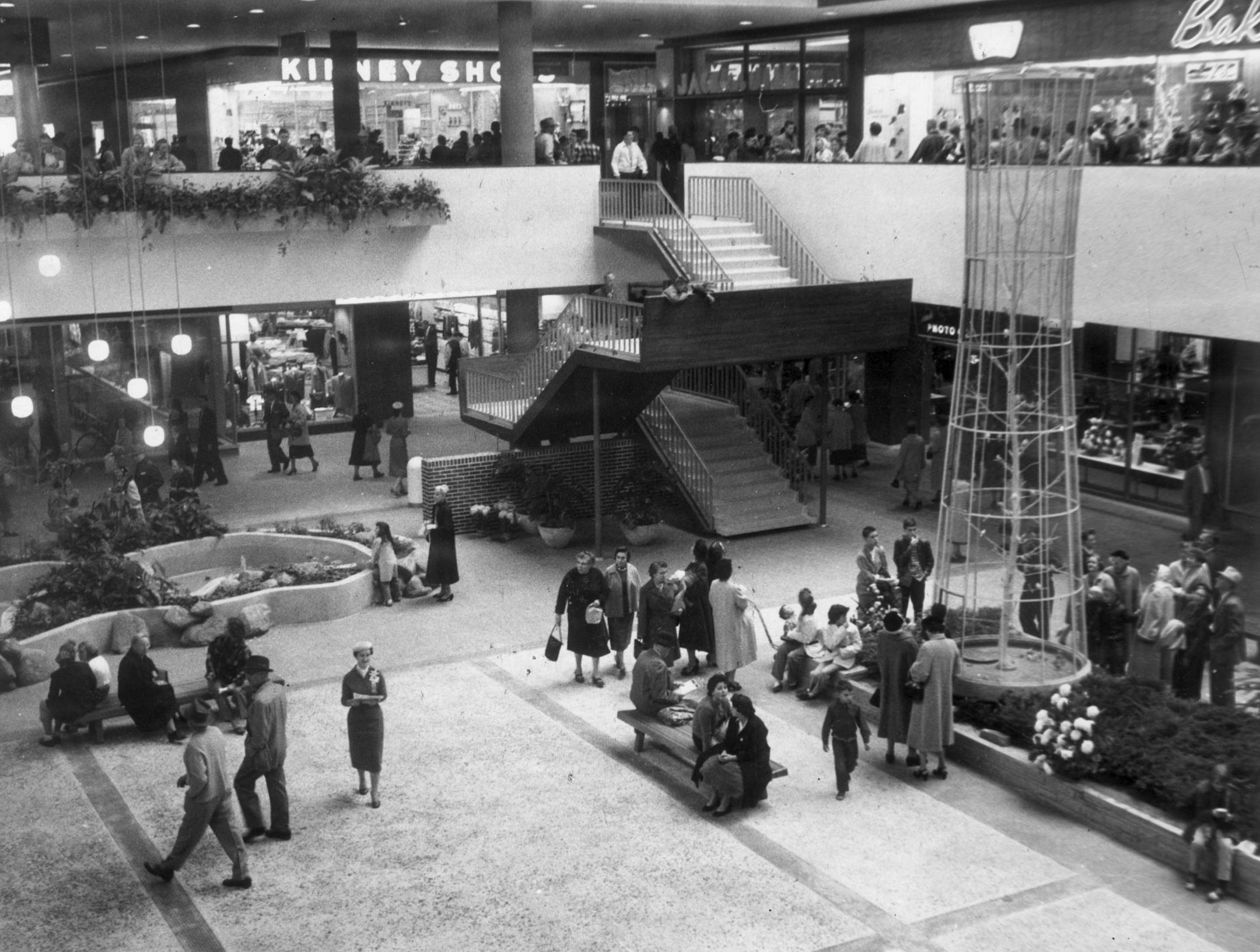
When it opened in 1956, Southdale's garden court was a special feature with a fish pond, a golden tree in a bird cage, and tables with umbrellas to bring nature inside. (The Minnesota Star Tribune)

A brand new way to shop

They seem commonplace and even faded today, but many familiar shopping mall conventions debuted at Southdale.

Its thousands of parking spots were organized into lots named for different animals so shoppers could remember where they parked.

The very idea of so many stores on different levels collected together under one roof was novel. “Side by side on a normal shopping thoroughfare, Southdale’s stores and shops would stretch for nearly one mile,” the Minneapolis Tribune wrote.

Southdale’s opening was a national event. More than 75,000 people came on the mall’s first day, marveling at the skylit courtyard with its birds, flowers and real trees — including a eucalyptus and a magnolia. They also took in its array of public art, like the striking, three-story abstract bronzed sculptures called “Golden Trees.”

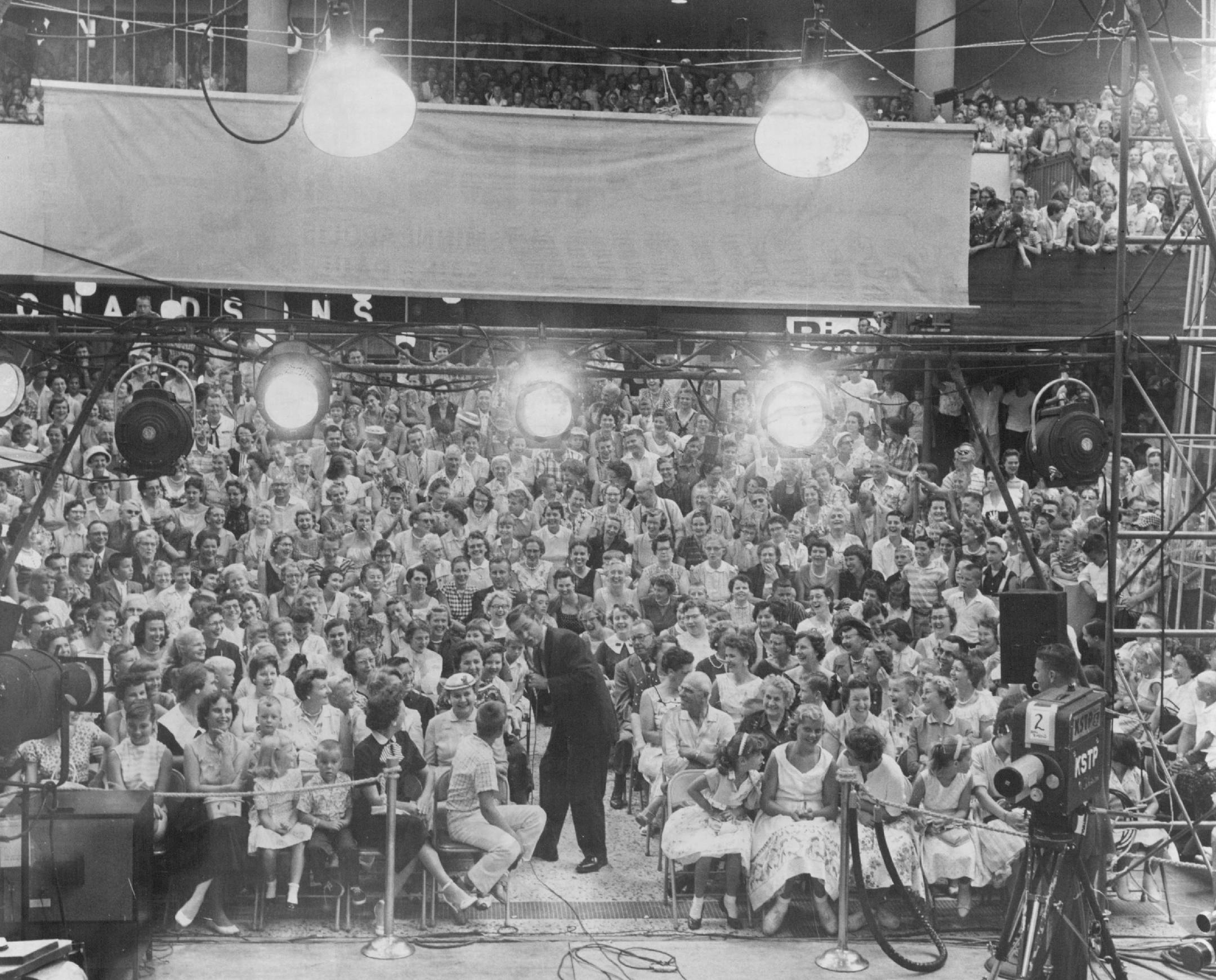
In 1957, a crowd jams Southdale for a taping of the "Truth or Consequences" show. (William Seaman/The Minnesota Star Tribune)

While most press coverage described this new shopping experience as if it were a revelation, there were early critics. Frank Lloyd Wright told the Minneapolis Star the idea was terrible. “You should have left downtown downtown,” he said.

Gruen himself came to hate his invention, believing that instead of building community, shopping malls simply boosted commercialism and led to hollowed-out downtowns. By 1978, he said in a speech that he was bothered by “the ugliness and discomfort of the land-wasting seas of parking” that surrounded them.

Reinventing Southdale

Nearly 70 years after Southdale’s splashy opening, the story of the mall is still evolving. For decades, malls were a cultural phenomenon — the place to be, especially if you were a teenager — until they weren’t. By 2022, the number of traditional enclosed shopping malls in America had shrunk to about 700, after peaking at about 2,500 in the 1980s, according to SiteWorks, a firm that tracks U.S. mall performance.

Southdale itself has been reinvented many times over. That basement zoo Scully remembered closed in 1967, prompting a letter to the Minneapolis Tribune lamenting that the animals had been replaced by “clever push button rides.” Another letter writer, however, responded that she was “delighted” it was gone. “One hot day we left in tears at the sight of the raccoon, panting and pacing in his pitifully hot cage,” she wrote.

Today, the basement is filled with offices, an escape room, a chess club and a dance studio. The Dayton’s store was rebranded as Marshall Fields in 2001, and later as Macy’s.

Southdale is one of the many malls betting on luxury retail right now, with stores like Louis Vuitton recently opening and a Tiffany’s coming soon. A Life Time fitness club fills the space that JCPenney left behind, and a Kowalski’s grocery store opened in the old Herberger’s space in 2024.

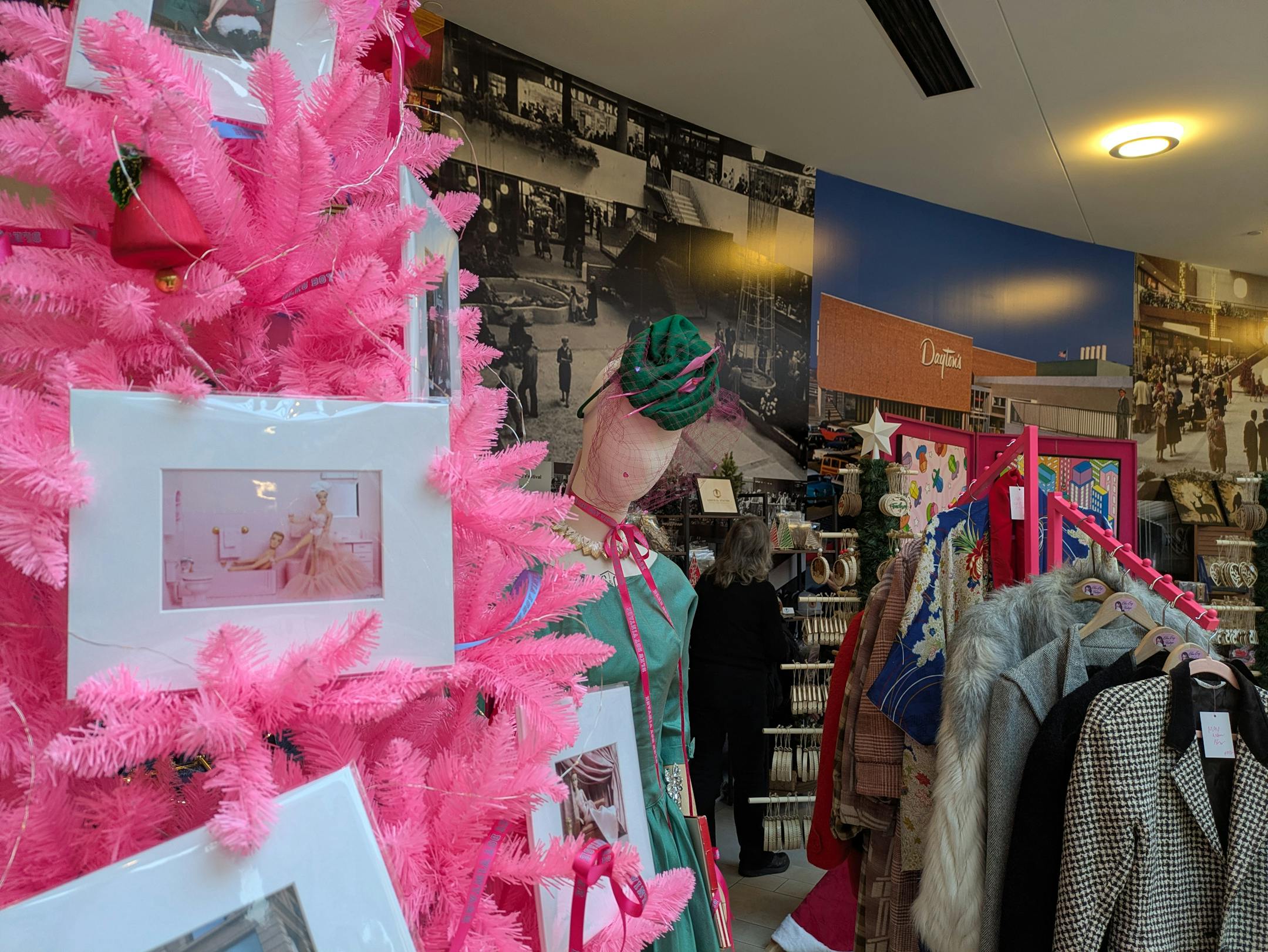
The pop-up Dayton's Holiday Market at Southdale is decorated with photos and promotional posters from the mall's first decade. (Erica Pearson/The Minnesota Star Tribune)

The mall’s last original tenant — Ralph’s Shoe Service — left in 2011.

Those “Golden Trees” sculptures are still there in the center court, though. And in the dining pavilion on the second floor, Dayton’s is back — kind of — for the holidays.

The pop-up Dayton’s Holiday Market, which has been filling part of the old Dayton’s building downtown with vendors, expanded to Southdale this season.

The walls behind the booths are decorated with promotional materials, parking guides and photos from the mall’s 1950s era — giving a glimpse of the days when Southdale made history.

If you’d like to submit a Curious Minnesota question, fill out the form below:

Read more Curious Minnesota stories:

about the writer

about the writer

Erica Pearson

Reporter

Erica Pearson is a reporter and editor at the Star Tribune.

See Moreicon

More from Curious Minnesota

See More
card image
Hennepin County Library

Composer of “The Music Man” flew in to participate in the event. There were way more than 76 trombones.