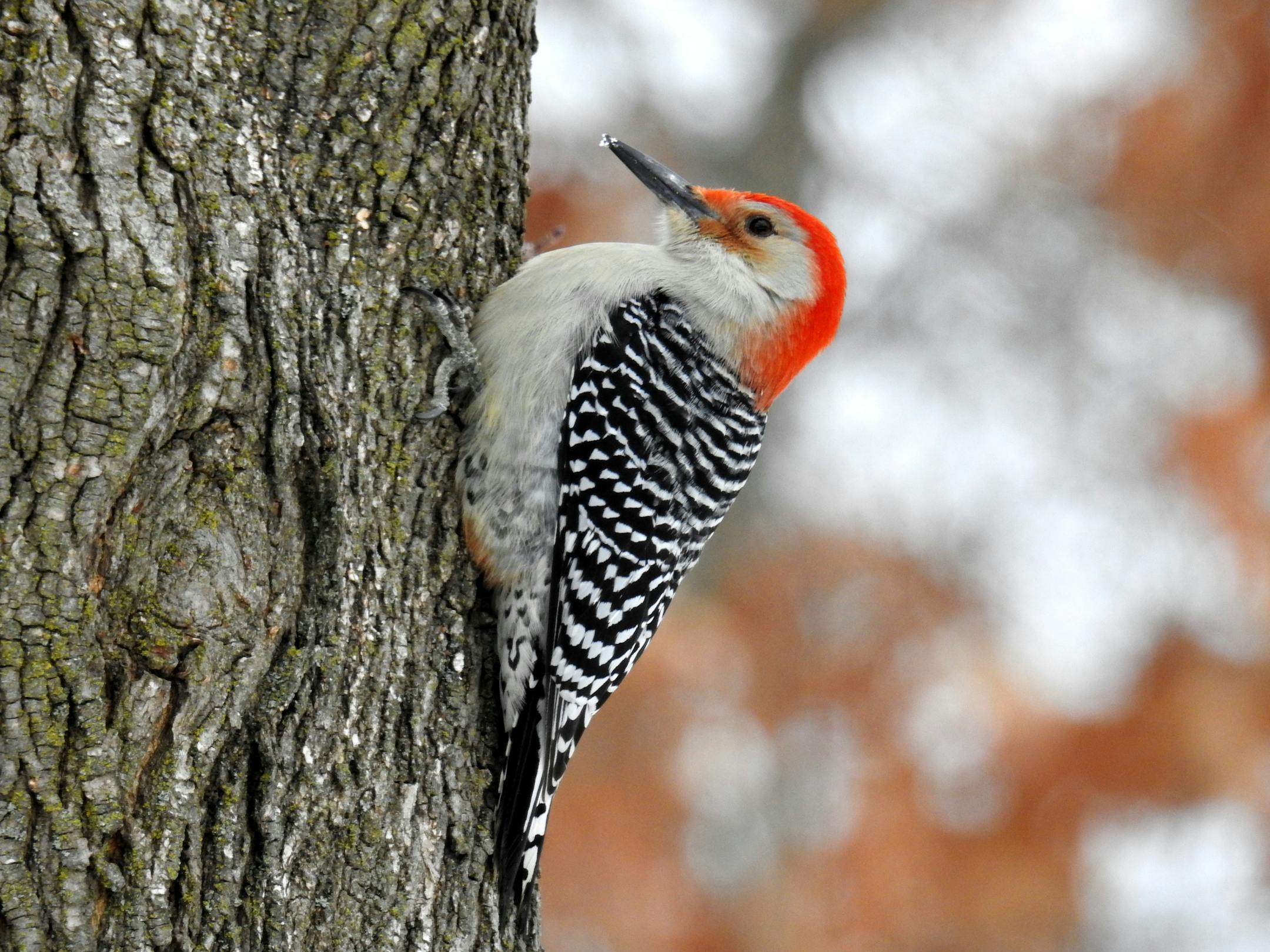
Q: My ash tree has been undergoing emerald ash borer treatment for several years. Does the chemical injection affect the woodpeckers and nuthatches? I hope I’m not inadvertently poisoning them.
A: That’s an excellent question, and in researching an answer I was directed by the state Department of Agriculture to a fact sheet prepared by insect experts at several universities, including the University of Minnesota. They conclude that the chemicals used to treat ash trees pose little threat to woodpeckers because the birds bore into bark to feed on living insects, not on dried up insects killed by insecticides. The researchers also say the emerald ash borer chemicals don’t bio-accumulate in animals (the way DDT did) and that woodpeckers search for larvae in the outer bark, where the insects aren’t exposed to systemic insecticides. All in all, it seems safe to say that your tree treatments aren’t harming woodpeckers and nuthatches.
Is migration optional?
Q: I’ve always wondered what determines which birds migrate and which stay, and whether this changes from year to year. Can birds just decide not to migrate?
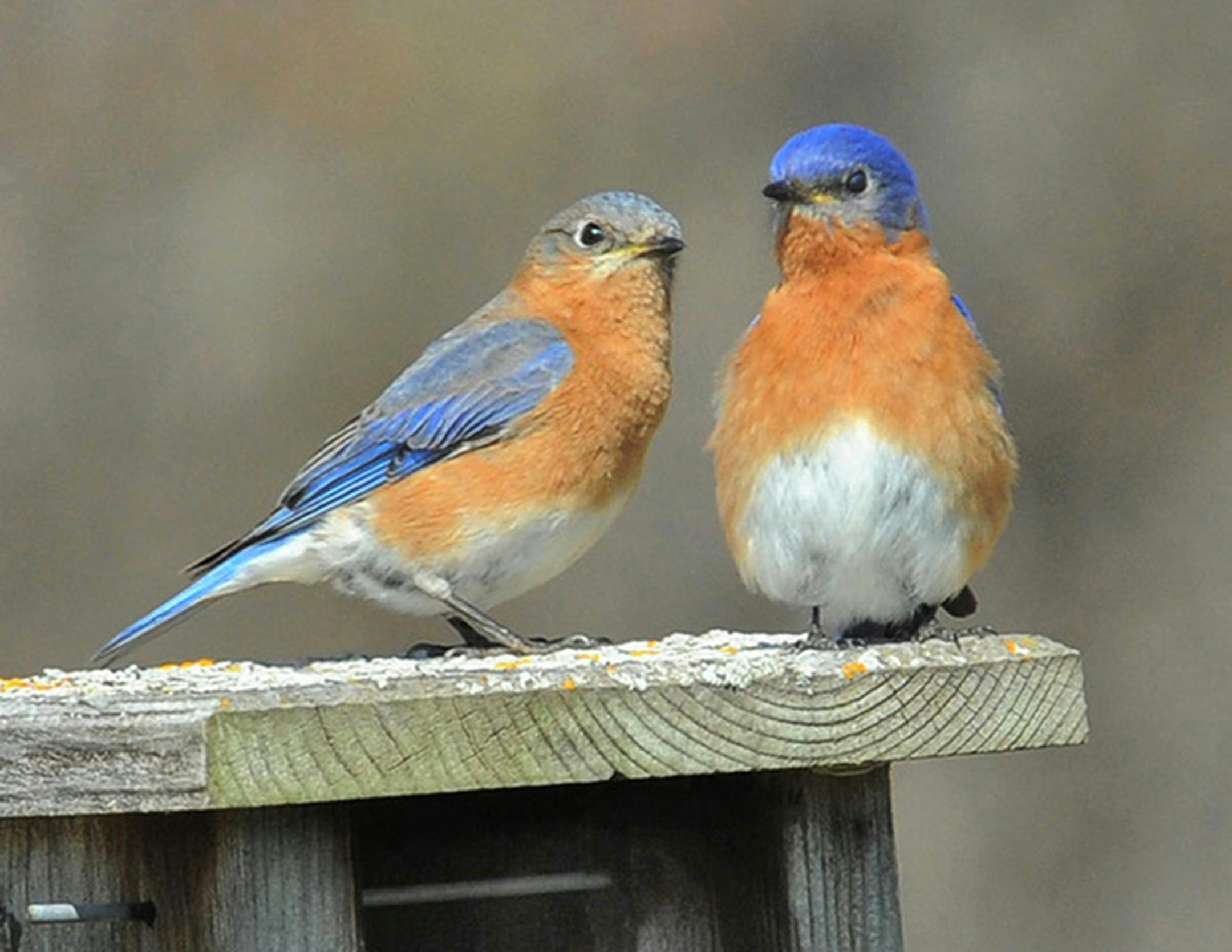
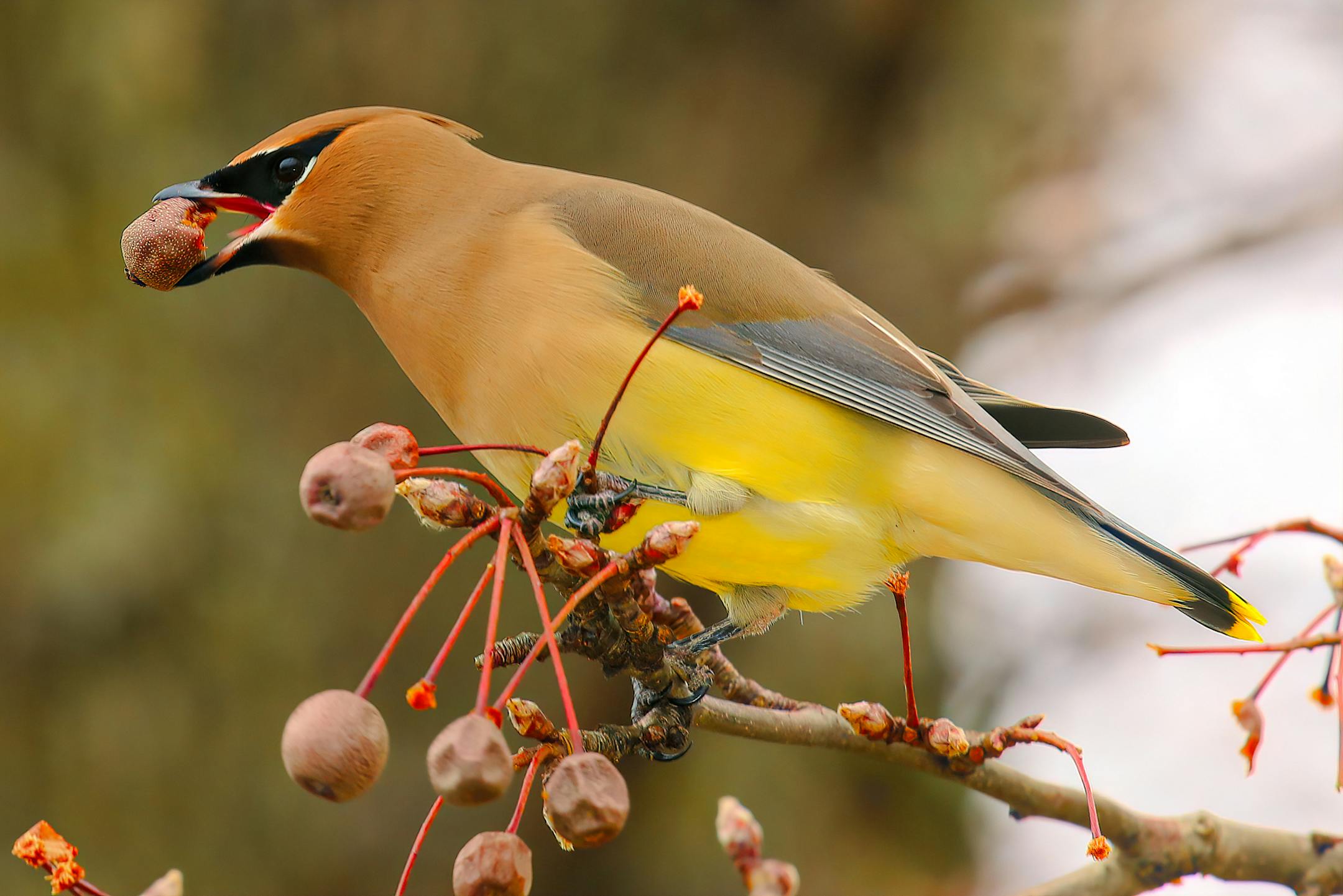
A. Good question about a topic that fascinates many of us. A lot of research has gone into bird migration so we know that the birds that leave our area in the fall — 75% of the species we see in summer — are motivated by the approaching lack of food. These primarily are the insectivores, birds that live on insects, including bluebirds, kingbirds, warblers, robins, swallows and others. Cold weather kills off their sources of food, so they fly south to areas that have arthropods and insects available all year. Many of these birds would be hardy enough to survive our winters, but they can’t survive without food, so they’ve evolved to migrate on a regular schedule. Migration is not a choice, but a necessity. Migratory birds’ bodies go through changes as days get shorter and they can’t ignore hard-wired imperatives to put on weight and embark on their southern flights. The birds that remain through the winter are those that live on seeds (finches) or those that hunt insects hiding in tree bark (woodpeckers, chickadees, etc.). Cedar waxwings spend their winters here searching for fruit and berries.
But, you might say, robins are around all winter. This is true, but the majority of robins do migrate. Those that stay behind change their behavior and their diet: They become nomadic, spending their days in flocks searching for fruit, such as crabapples, mountain ash berries, juniper berries, winterberries and others. When spring comes, the flocks break up, their diet changes back to arthropods, they’re spotted on lawns again, and we say, “The robins are back.” Our resident birds, those that don’t migrate, are seed eaters, like finches, or larval insect hunters, like woodpeckers.
Pelicans, really?
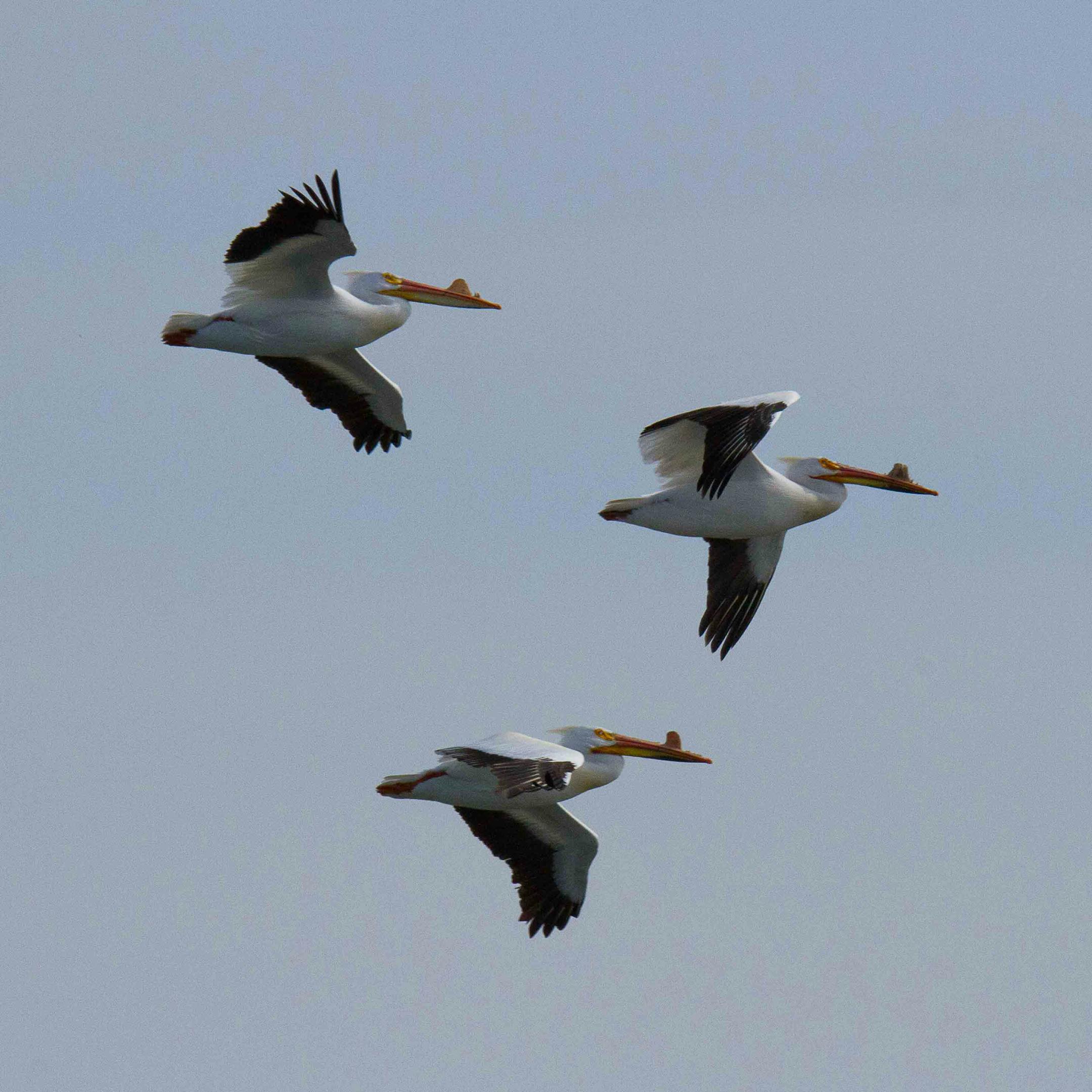
Q: Could I have seen a big group of pelicans flying over the Minnesota River in Bloomington recently? I’ve never seen them in Minnesota before and was shocked to think they’d be in our state. Is this normal?
A. Yes, it’s quite normal for white pelicans to live and breed in Minnesota in the summer, and to be spotted on migration in autumn. They are among the most graceful birds in the air, wheeling and floating on the wind.
Jays on the move
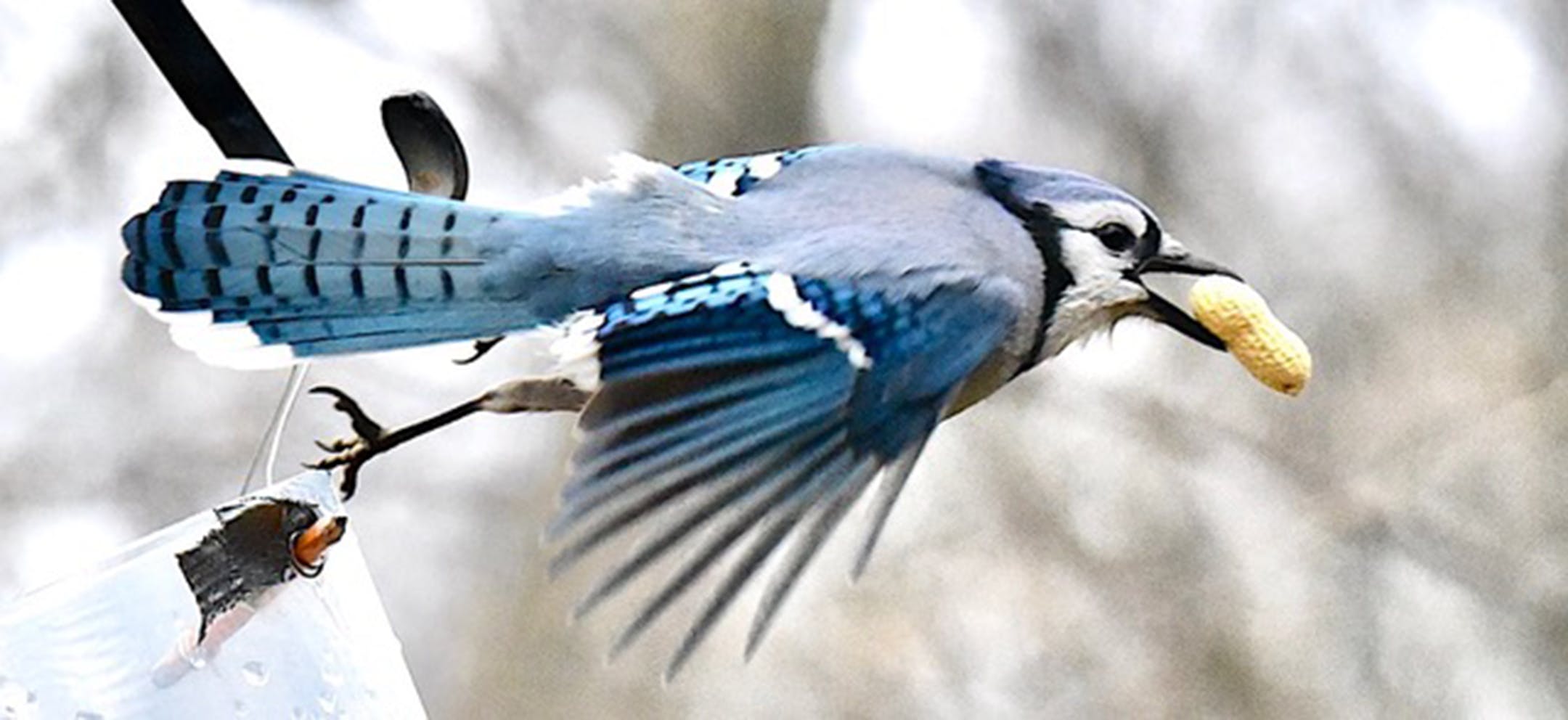
Q: Each year around this time, blue jays announce their presence near my patio. I place a handful of peanuts in the shell out for them, and this continues for about a month, until they stop coming. They return in the spring, but I don’t see them during the summer. Is this common behavior for blue jays?