What’s next for negotiations between the University of Minnesota and Fairview

Essentia Health’s exit from merger talks raises tough questions about future funding of the academic health center.

The Minnesota Star Tribune
September 25, 2025 at 9:59PM
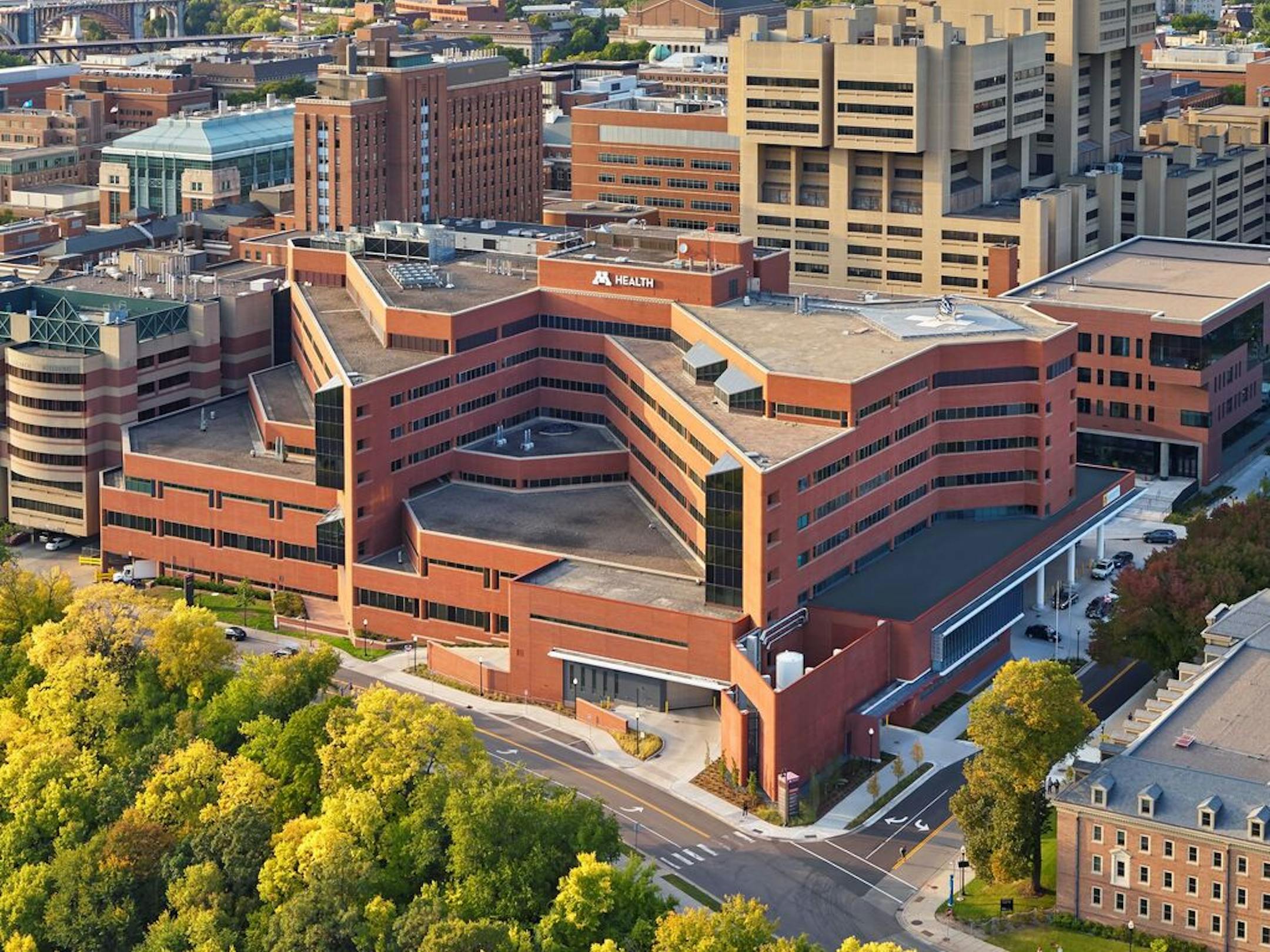
University of Minnesota Medical Center in Minneapolis in 2020. (Fairview Health Services)

Options are narrowing for the University of Minnesota’s efforts to negotiate a deal to fund its academic medicine program.

Essentia Health’s decision to withdraw from merger talks, which sources close to the negotiations disclosed this week, puts the focus squarely on whether the U can strike a new agreement with its current partner, Fairview Health Services, before a deadline expires next year.

Last year, Minneapolis-based Fairview provided $103.2 million in academic support payments to the U and the group practice for university physicians.

The payments are spelled out in agreements in which the U and Fairview use the brand M Health Fairview and jointly operate a number of hospitals and clinics, but that affiliation expires on Dec. 31, 2026.

Although the deadline is still 15 months away, unwinding the partnership would take significant time. Medical School faculty warn that failure to renew the deal this year would put the school in “great jeopardy.”

Minnesota Attorney General Keith Ellison has asked Fairview and the U to report what would happen if the parties separate by the time the existing agreement expires. Here’s a look ahead at the negotiations.

Who’s at the table?

In March, Ellison launched negotiations for a new deal between Duluth-based Essentia, Fairview and the U. The next month, the attorney general announced veteran health care executive Lois Quam would serve as strategic facilitator.

Ellison’s office got involved after the U and Essentia announced ambitious plans for a new statewide health system that were quickly rejected by Fairview.
Fairview is one of the state’s largest operators of hospitals and clinics, including Fairview Southdale in Edina and St. John’s in Maplewood.

The U runs the state’s largest and only public medical school. It’s had a hand in training about 70% of all physicians in Minnesota and offers unique specialty health services at University of Minnesota Medical Center.

Fairview acquired University of Minnesota Medical Center in a financial bailout in 1997. The two have worked closely ever since, although tensions have flared at times over how to split profits and operate efficiently.

Another key player is University of Minnesota Physicians (UMP), which employs the 3,600 physicians, health care workers and staff. Many work at M Health Fairview hospitals and clinics.

Who’s not at the table?

In January, the U and Essentia had called for creating an “all-Minnesota health system solution” that would include a $1 billion joint investment over five years. Dr. David Herman, the CEO at Essentia Health, would have led the new nonprofit group that would have merged assets of Essentia, Fairview and certain health care operations at the U.

Sources told the Minnesota Star Tribune the attorney general’s office agreed in August to release Essentia from the discussions.

“Essentia Health is no longer part of the strategic facilitation process because the strategic facilitator determined Essentia no longer had a role in that process,” the health system said in a statement.

The U and Essentia stressed in statements this week they are continuing to talk about ways to collaborate but offered few details on what that could mean.

To secure the long-term future of the Medical School, the university said it “will be exploring all options as part of a path forward that includes partnerships with health care providers in the Twin Cities and across Minnesota.”

Why does this matter?

Fairview has provided critical funding that supports medical education at the U, as well as high-tech specialty care services and research.

The current level of payments — roughly $100 million per year — are not sustainable, Fairview says. This will remain a key point of any negotiation.

It’s not clear what would happen if this funding is reduced under a new deal. The U, presumably, would either need to find alternate sources of funding or cut costs.

U doctors say there’s urgency to get a new agreement soon.

“The contract for clinical services and academic support with Fairview Health Services expires in December of 2026 and is currently on hold,” a group of Medical School department chairs wrote in a June letter to three members of the Board of Regents. “If not effectively renewed this year the Medical School is in great jeopardy.”

The department chairs, in their letter, noted recent improvements by the U in its ranking on “key academic and clinical metrics.”

about the writer

about the writer

Christopher Snowbeck

Reporter

Christopher Snowbeck covers health insurers, including Minnetonka-based UnitedHealth Group, and the business of running hospitals and clinics.

See Moreicon

More from Health Care

See More
card image
JULIA RENDLEMAN/The New York Times

Carbondale, a liberal enclave within driving distance of 10 states with abortion bans, has become a hub for the procedure.

card image
Nancy Ingham gives newborn Sophia Rash a hepatitis B shot several hours after she was born, Jan. 17, 2006.