

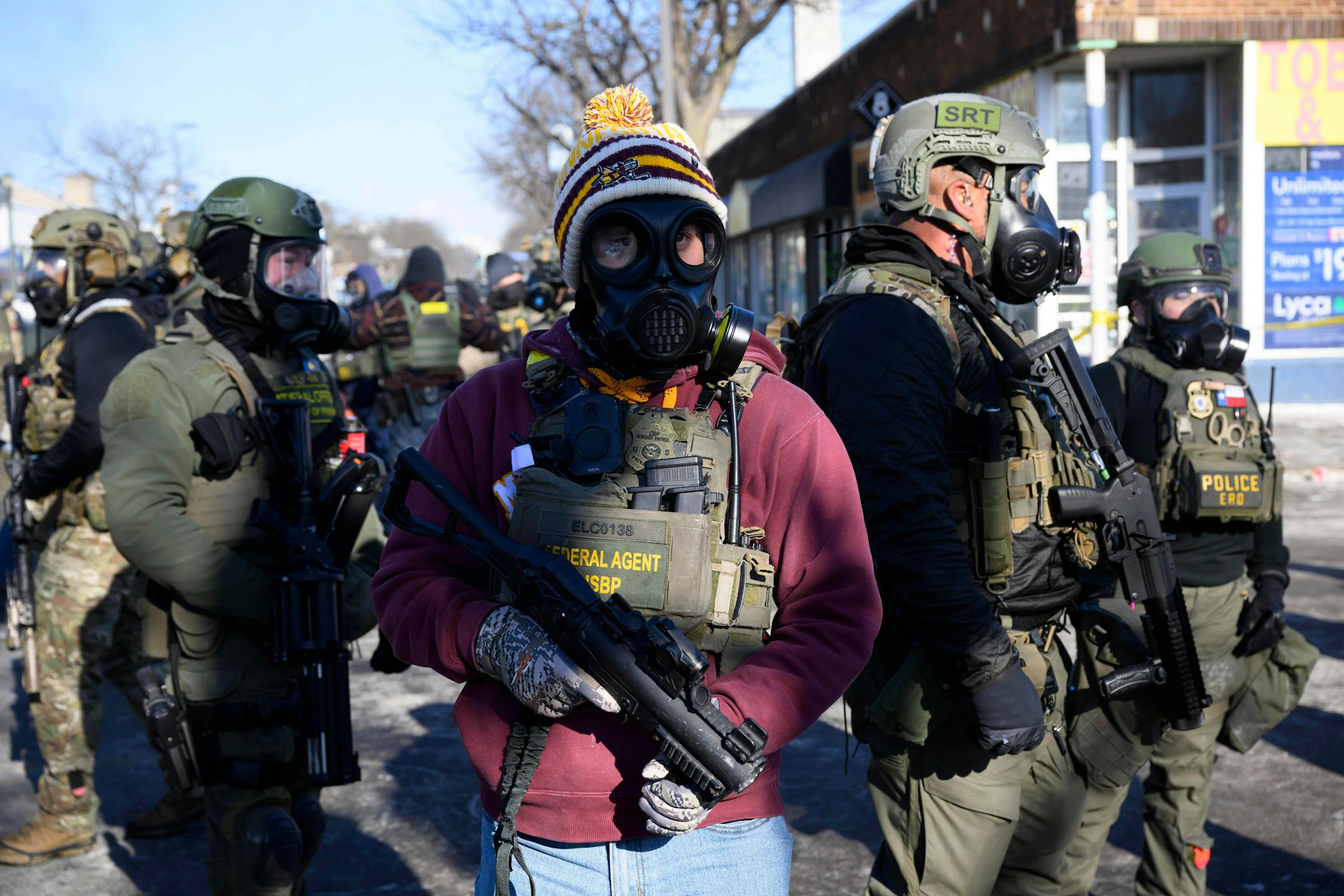
White House border czar Tom Homan announced this week that the immigration crackdown in the Twin Cities and Minnesota will conclude.
With the end of Operation Metro Surge on the horizon, here are answers to some frequently asked questions about the Trump administration’s immigration enforcement efforts in the state over the past few months.
Will immigration enforcement continue?
Yes, Homan said Thursday as he announced the drawdown.
“I’ll continue to say over and over again, if you’re here in the country illegally, you’re not exempt from our immigration laws,” said Homan, who added that agents previously assigned to Minnesota would return to their home bases.
Homan said a small team of federal agents will remain in Minnesota to tamp down what he called “agitator activity” and to prosecute protesters who have been charged. Federal officials investigating social services fraud in Minnesota, which kicked off the immigration surge in the first place, will also remain “until their work is done,” Homan said.
What brought Operation Metro Surge about?
The operation was launched to investigate allegations of pandemic-aid and federal nutrition program fraud involving residents of Somali descent. President Donald Trump also took aim at Minnesota’s Somali residents who were allegedly involved in fraudulent activity, describing them as “garbage.” Efforts ratcheted up in early January after a conservative influencer’s videos alleging fraud within child care centers run by Somalis went viral.
What was Operation Metro Surge?
This is the name the federal government gave to largest immigration enforcement deployment in U.S. history. Trump initiated the operation to restore public safety by arresting and deporting undocumented immigrants with criminal histories, identifying them as “dangerous criminal illegal aliens.”
When did it start?
The operation started in early December. Over the past two months, as many as 3,000 ICE agents and those from U.S. Customs and Border Protection were deployed to the state.


