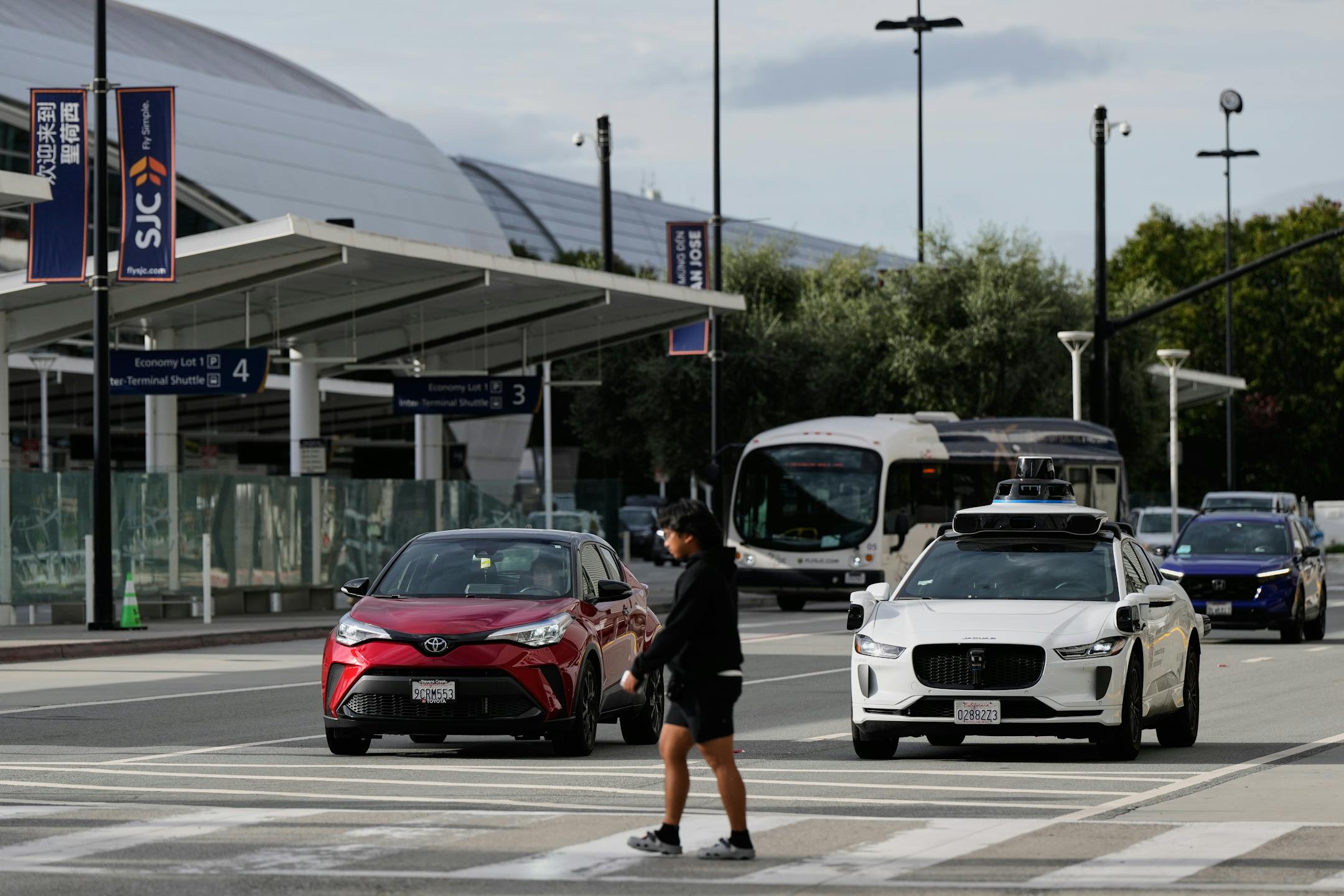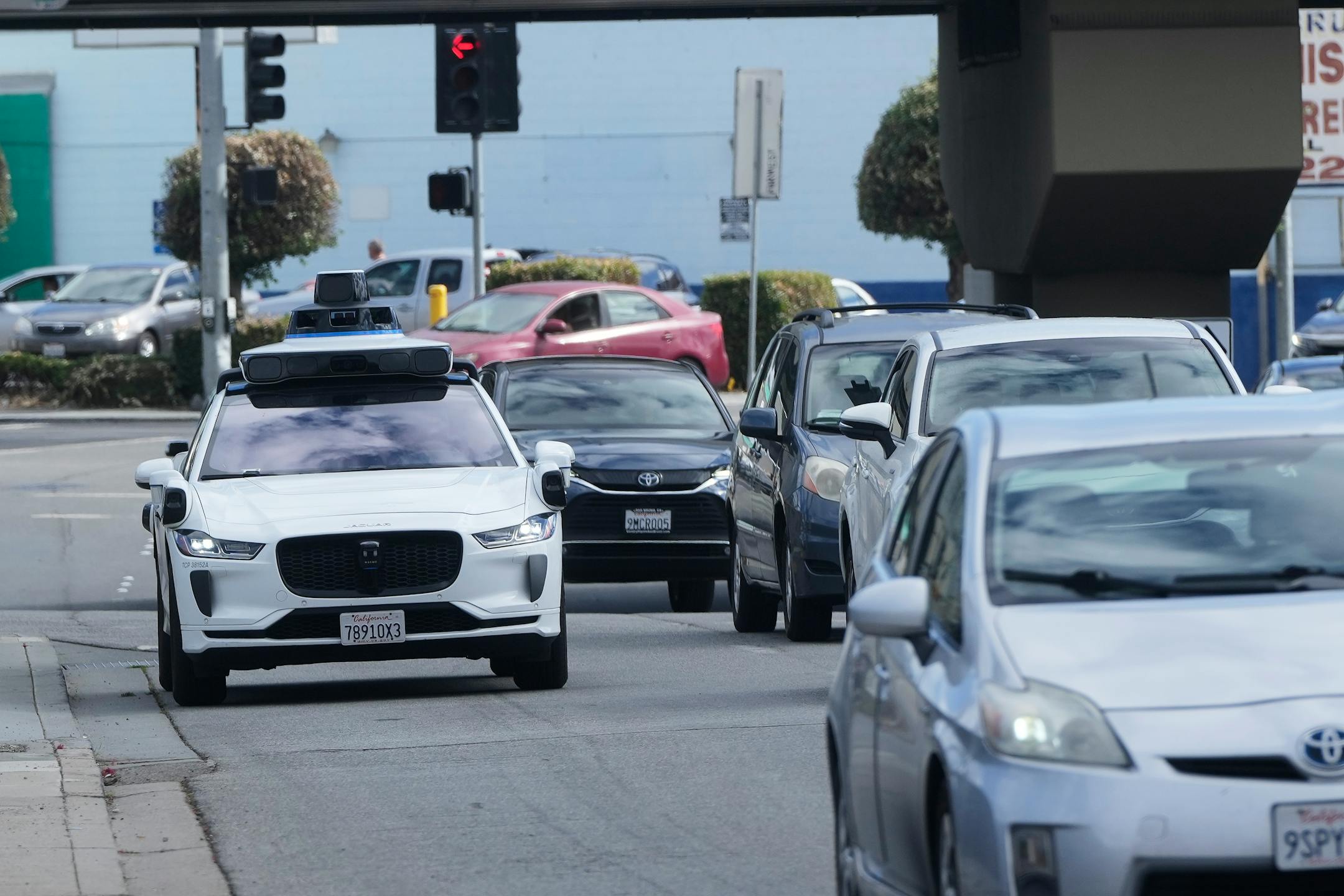
Waymo is starting to map Minneapolis’ streets as it prepares to launch its driverless ride-hailing service.
At first, Waymo said it will test the technology with people stationed behind the wheel, even if they aren’t really driving. Ultimately, though, the company plans to launch driverless robotaxis, already available in cities like San Francisco, Phoenix and Austin, Texas.
Is that legal in Minnesota?
That’s not really clear. “Minnesota law is silent, essentially, on the issue,” said Frank Douma, state and local policy outreach director of the Humphrey School of Public Affairs’ infrastructure finance institute.
Waymo’s announcement could push the Minnesota Legislature, which has yet to take action regulating autonomous vehicles, to join an increasing number of U.S. states that have imposed guardrails on the technology when the session starts in February.
“We will, of course, make sure that we do it in a measured format that ensures the safety of occupants and the public,” said Rep. Jon Koznick, R-Lakeville, “but it’s definitely a technology that’s changing and revolutionizing transit in America.”
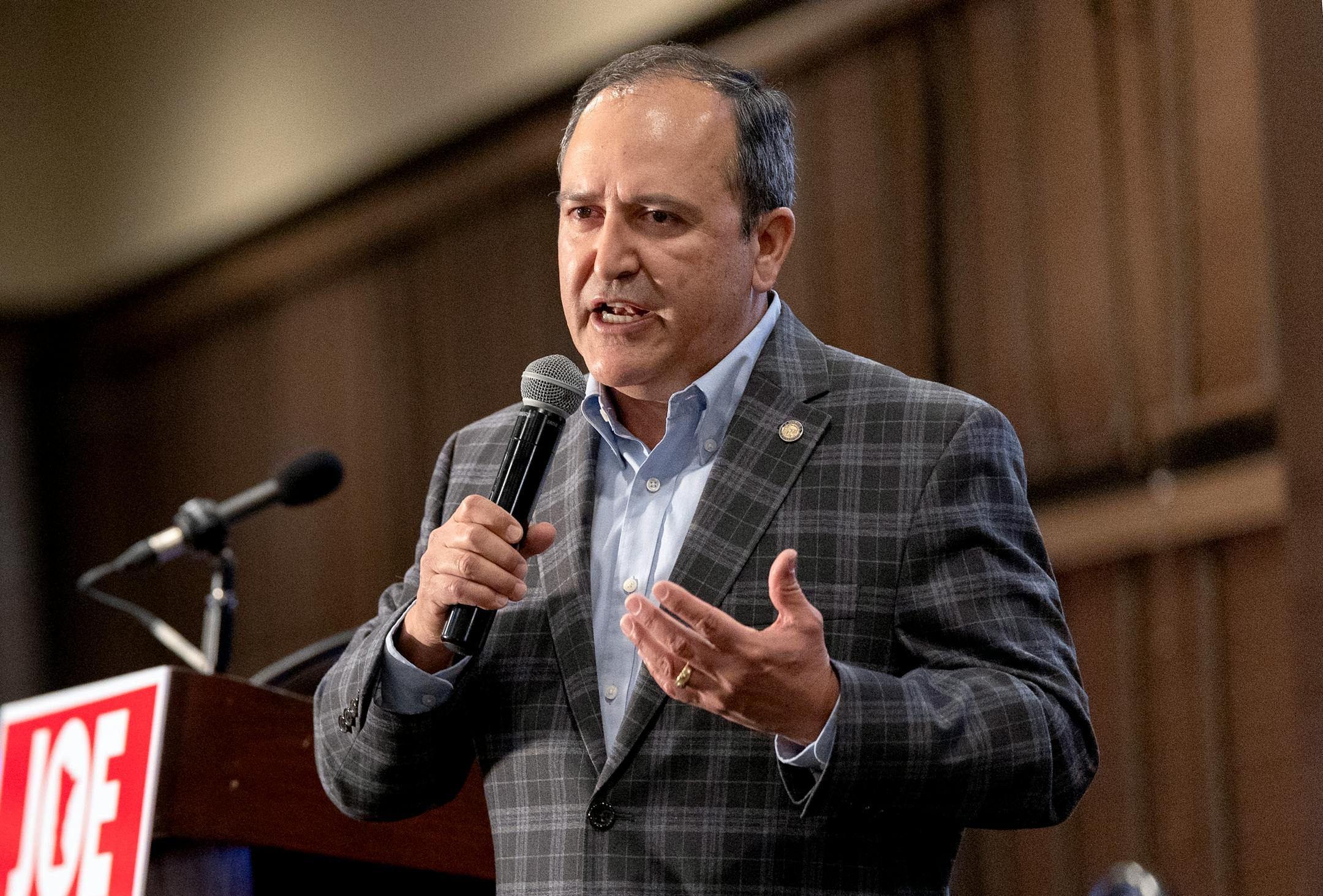
Koznick, who co-chairs the House Transportation and Finance Policy, said he’s researching policies in other states that have allowed Waymos. But he also said he believes the technology is safe and wants Minnesota to be “permissive” to services like Waymo.
DFLers may prove more skeptical. Sen. Scott Dibble, DFL-Minneapolis, has some questions. Lawmakers need to look at who would be held liable if a Waymo collides with someone, and whether first responders can disable vehicles in the case of emergencies, he said. They also need to explore how Uber and Lyft drivers will be affected, whether customers’ data will be protected and whether video surveillance in vehicles will be provided to law enforcement and more.