Opinion editor’s note: Strib Voices publishes a mix of material from 11 contributing columnists, along with other commentary online and in print each day. To contribute, click here.
•••
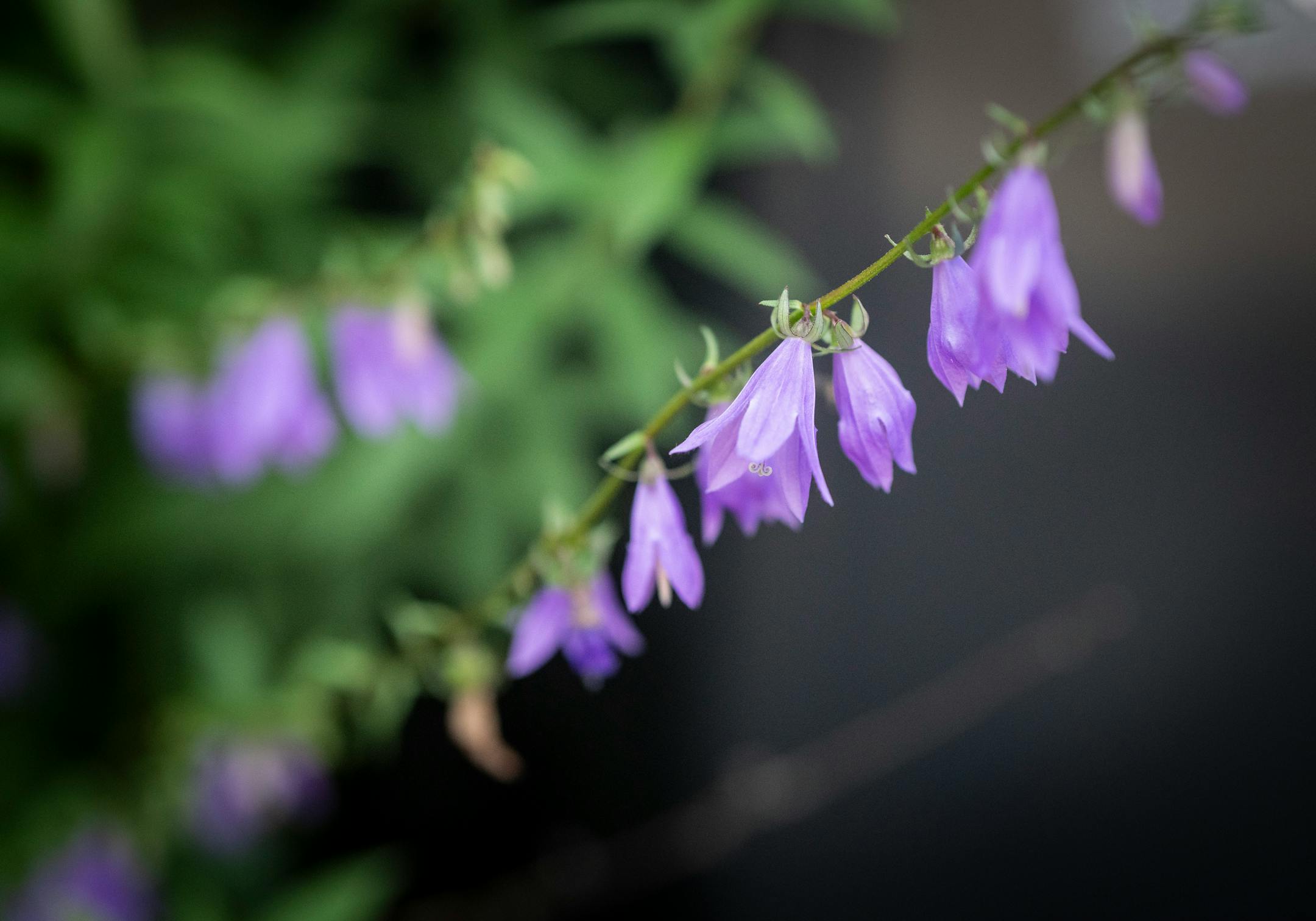
We won’t eat our way out of an invasive species problem. It’s disappointing. But I want to be upfront and get that part out of the way because it was the first thing I thought of when I found out that creeping bellflower — that purple-flowered intruder trying to take over our Minnesota yards and parks — is 100% edible.
“The entire plant: root, stem, leaves and flowers,” said Tim Clemens, a nature educator and founder of Ironwood Foraging.
The whole thing can be eaten. And is, in fact, pretty good. The purple flowers are dainty bits of nothing — more about the lightly crisp texture than flavor. The seed buds have a crunchy, cucumber quality, and Clemens says they make a great pickled caper. The root tastes like a spicy turnip, he told me.
And the leaves … well, they were out of season when I tried them on a recent walk with Clemens around Lake Nokomis in Minneapolis. Dry and thick and a little rough, they were like trying to munch on the flap of a pasta box. But he said that, in spring, they’re soft, sweet and delicious. Almost all the greens he eats come from urban foraging, and creeping bellflower leaves are part of that.
Eating the bellflower will not get rid of it completely. Frankly, eradicating any invasive species as widely dispersed and numerous as the creeping bellflower is extremely difficult … if not outright impossible.
“They’re adapted to being eaten by full-time, 24/7 professional foragers, like deer. And humans are kind of part-timers,” Clemens said.