U of M Morris grapples with lowest enrollment in years, raising worries for its future

The campus in west-central Minnesota has faced declining enrollment for years. Now Morris faces a critical point.

The Minnesota Star Tribune
August 16, 2025 at 11:00AM
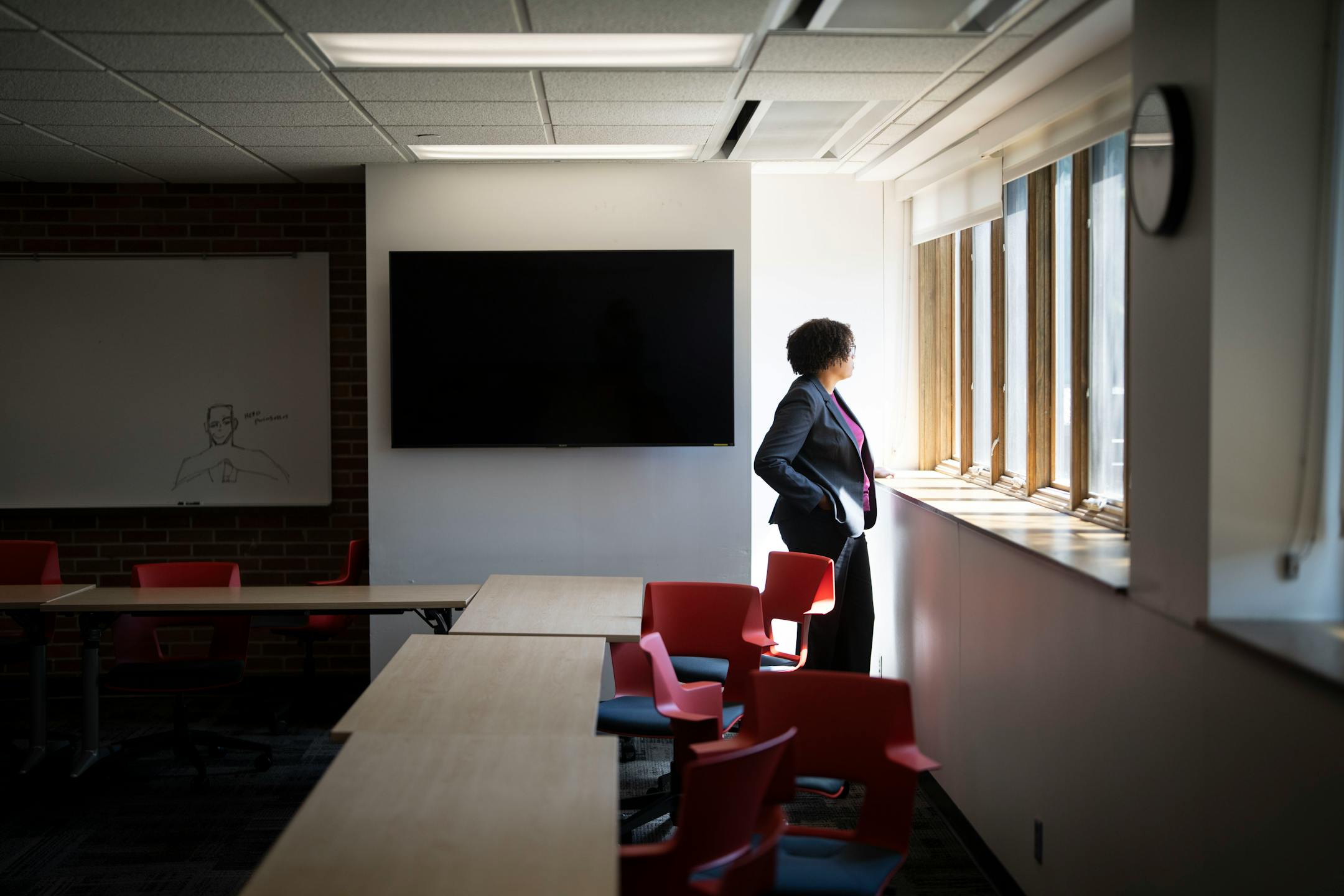
University of Minnesota Morris Vice Chancellor Melissa Bert looks out the window of a recently updated humanities classroom at the University of Minnesota Morris campus on Aug. 12. (Renée Jones Schneider/The Minnesota Star Tribune)

MORRIS, MINN. – Hundreds of students began returning to the University of Minnesota Morris’ leafy green campus this week, but far fewer will arrive than in years past.

Enrollment at the west-central Minnesota campus has gradually declined by half in just a dozen years, leading some past U leaders to fear it could close. Others are calling for serious intervention.

“They’re going to wither until they can’t operate anymore,” former Regent Michael Hsu said. “And nobody wants to fix the problem.”

Past sprawling farm fields 150 miles from the Twin Cities, the Morris campus hit a dire milestone last year when enrollment tumbled to a recent low of 883 full-time students — smaller than many metro-area high schools. Most of the other four campuses the University of Minnesota operates statewide have had steady or increasing enrollment recently.

The fate of the campus could affect Morris, a city of 5,100 people with strong ties to agriculture.

“I believe deeply in what this college does and the need for it to be here,” said Janet Schrunk Ericksen, the school’s chancellor. “At the same time ... you have to be alarmed when you see a decline and take action to figure out, ‘What is our right size? How do we manage this?’”

School administrators and students point to the benefits of the campus’ small size. Plus, it’s one of just two colleges in the nation that offer free tuition to Native American students.

The enrollment downturn comes at a time when the U’s budgets are tight; the system recently cut academics and raised tuition, including by 5% at Morris.

The enrollment nosedive at the college known for its liberal arts focus would have been unthinkable decades ago, past U officials said.

University of Minnesota Morris Chancellor Janet Schrunk Ericksen speaks about the school on Aug. 12. (Renée Jones Schneider/The Minnesota Star Tribune)

“[Morris] was called the crown jewel of the University of Minnesota system,” said Darrin Rosha, an attorney who served 14 years on the Board of Regents in two separate stints. “When I came back in 2015 and we’re talking ... about what a crisis we have at Morris, I was stunned.”

Morris officials attribute the decline to several factors, including the challenges of drawing students to a rural campus and selling families on a liberal arts degree’s value. The pandemic exacerbated the falling numbers.

“The towns get smaller and smaller and then people get here and say, ‘Oh, there is a great campus here,’” Ericksen said. “But we have to get people out here and show them.”

Ericksen said Morris has cut a few majors and minors, and decreased the number of employees through attrition. This year’s incoming class will also be bigger by almost 25%, with more first-year and transfer students, and officials hope investments in admissions staff, a new digital marketing campaign and a program promoting graduation in three years will help, too.

“Reintroducing ourselves through the new brand refresh is an opportunity for us to show them who we are instead of who your neighbor said we are,” said Melissa Bert, vice chancellor for enrollment management and institutional effectiveness.

Officials tout the fact that Morris is the least expensive public, four-year option in Minnesota after financial aid is applied. They said a realistic number of students for the 130-acre campus is about 1,200.

But not everyone thinks they can get there again.

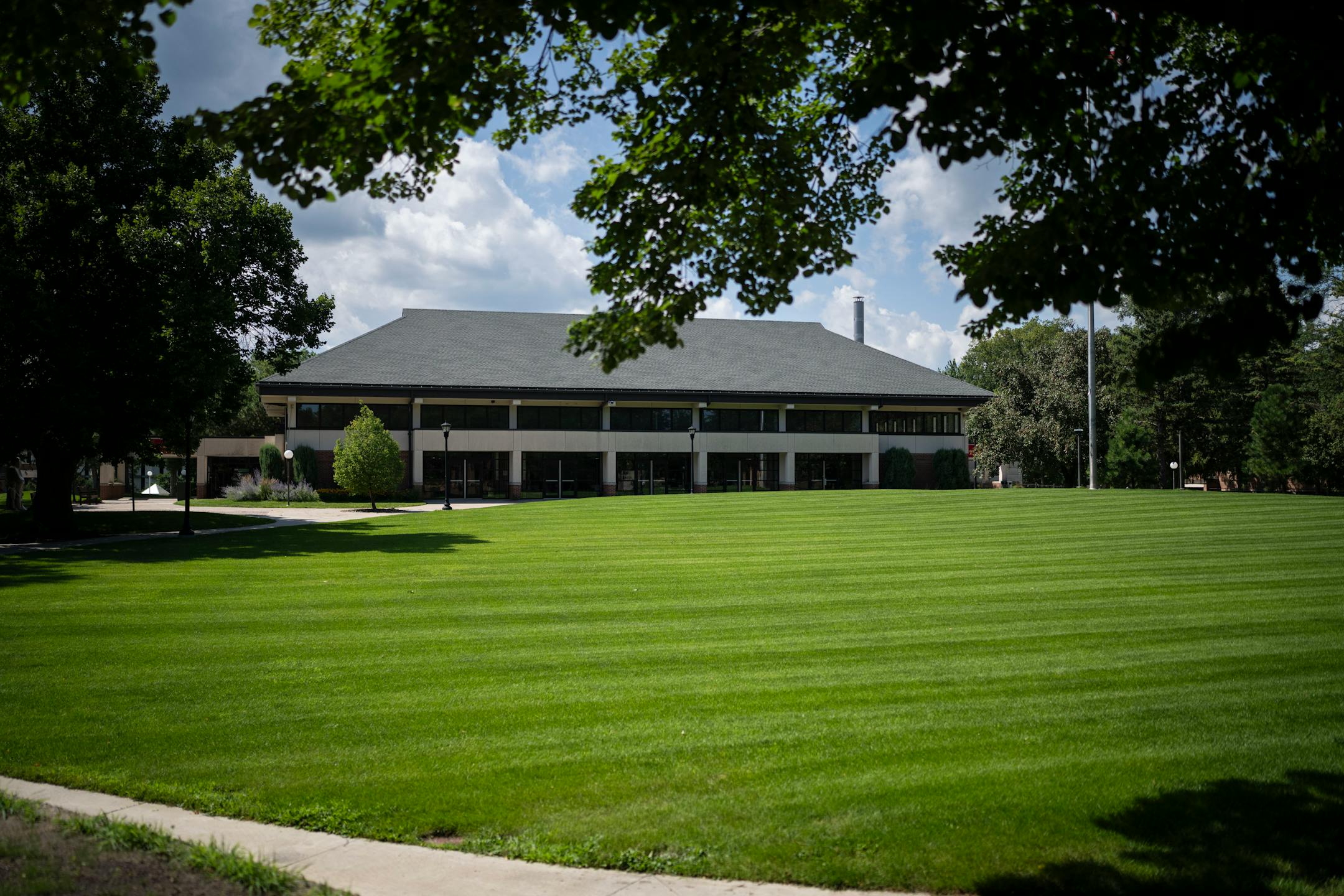
The Mall on the University of Minnesota Morris campus is typically filled with students during the school year, photographed on Aug. 12. (Renée Jones Schneider/The Minnesota Star Tribune)

Free tuition for Native American students

The U closed its Waseca campus more than three decades ago. It became a federal prison.

People have been saying Morris should close since 1960 when it became a university after 50 years as a co-ed, agricultural high school, Ericksen said.

The school’s history reaches back further than that. Beginning in 1887, it was a Native American boarding school run by the Sisters of Mercy. The federal government took it over a decade later.

Native American boarding schools removed children from their homes and forced them to assimilate. Many schools had poor living conditions, and children there were often starved, whipped and sometimes died, according to a U.S. Department of the Interior investigation. The traumatic practice has had lasting effects on tribal communities.

The state acquired the campus, agreeing that Morris would offer free tuition to Native Americans. One-third of Morris students are now Native.

Skylar Harteneck, the student body president whose grandmother belongs to the Leech Lake Band of Ojibwe, had never heard of Morris until her parents urged her to choose it because of the tuition waiver.

The senior from Rosemount said she soon came to love the university. Having grown up with brothers who were Boy Scouts, she said she thinks of the campus as a year-round summer camp where everyone knows you.

“I realized this was exactly what I wanted,” Harteneck said. “Because of the small community, it’s not very hard to reach out to your professors ... [and] to get on a first-name basis with them.”

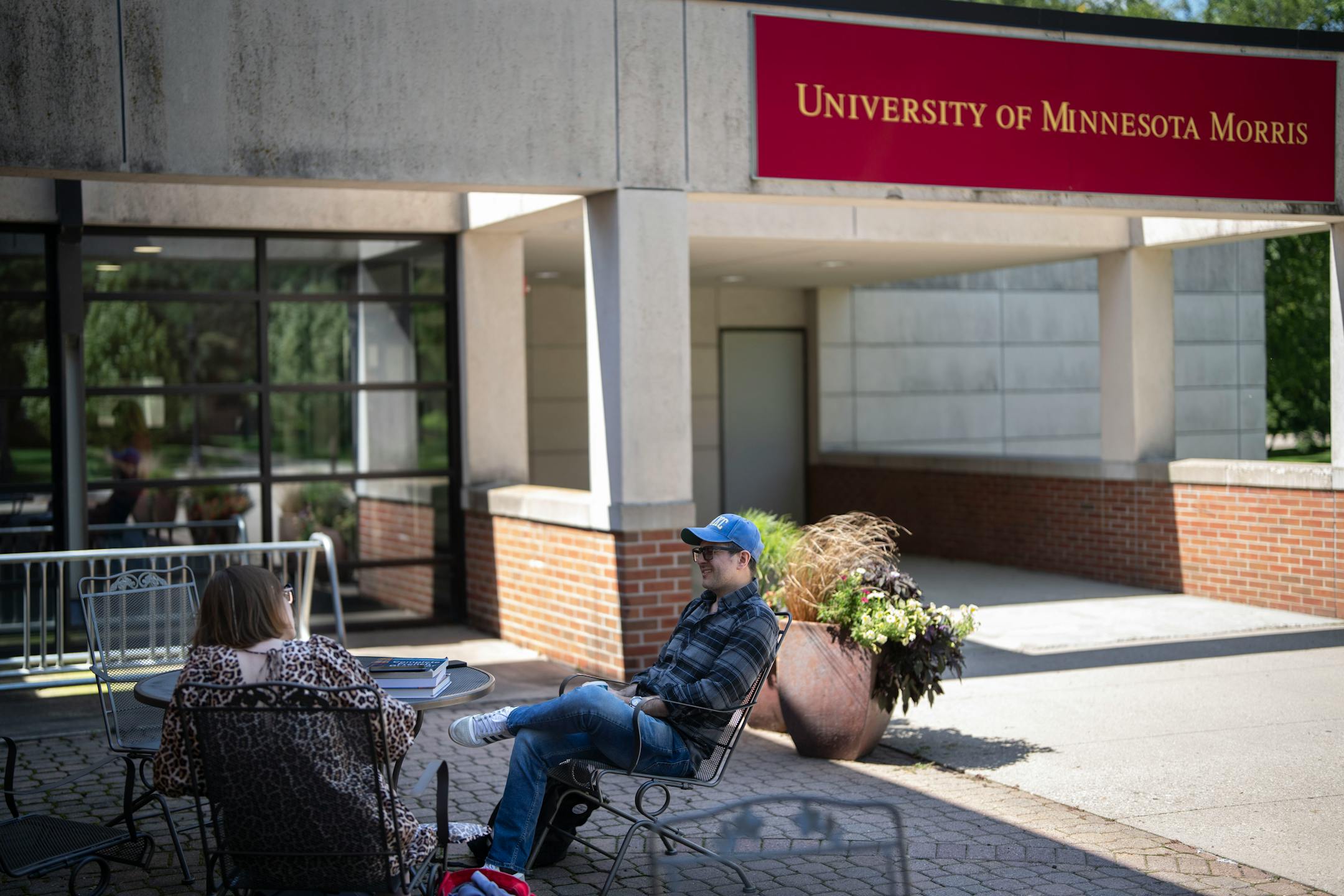
University of Minnesota Morris professors Genevieve Berendt and Ivan Velasquez chat outside the Student Center on Aug. 12, a week before students return to campus. (Renée Jones Schneider/The Minnesota Star Tribune)

The school has a “huge” Native American Student Success program, she said, and annual events like a Healing Ceremony and a powwow.

Harteneck said the shrinking enrollment is on students’ minds. As student body president, she wants to add new activities and more student outreach, and partner with the admissions office on recruitment.

She recalled a recent presentation about the top schools for students who visit Morris but enroll elsewhere — the U’s Twin Cities and Duluth campuses, the College of St. Scholastica, Minnesota State University Mankato and the University of St. Thomas, she said.

The Board of Regents tasked former U President Eric Kaler with fixing Morris’ enrollment issues and determining how to better fund the Native American tuition waiver, Hsu said, and the mission continued when Joan Gabel became president in 2019. They made little progress, he said, and then the pandemic hit and “it was all bets are off.”

The tuition waiver has financial implications for Morris since a substantial percentage of students don’t pay tuition, Rosha said.

In a May letter to the Board of Regents, U law professor Richard Painter noted that tuition made up about 21% of Morris’ budget in 2025, compared with more than 50% at the Crookston and Duluth campuses.

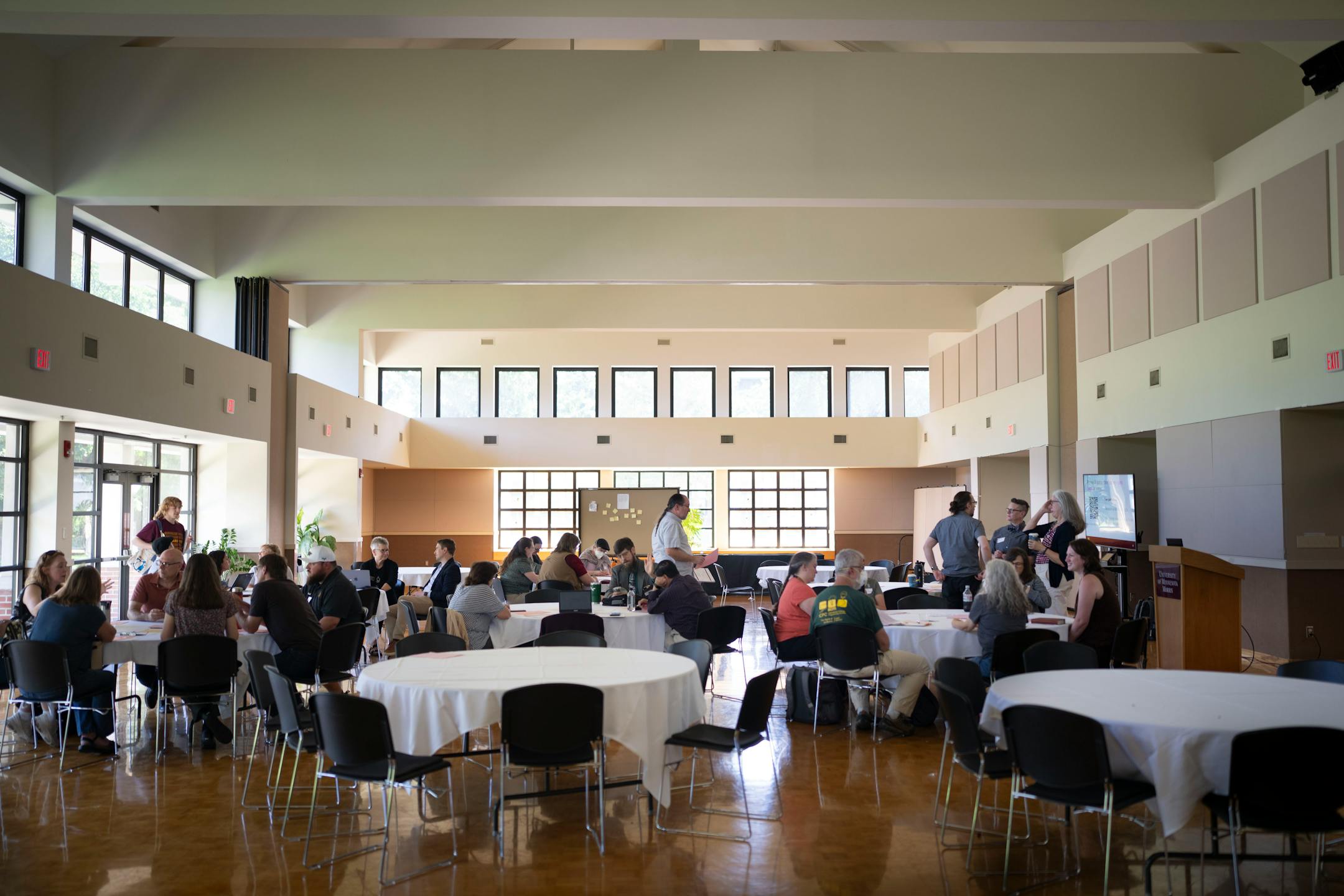
People participate in a professional development day in the Alumni Oyate Hall on the University of Minnesota Morris campus on Aug. 12. (Renée Jones Schneider/The Minnesota Star Tribune)

Morris’ role in the community

In addition to providing about 285 jobs, the Morris campus shares with the community such facilities as football and softball fields. The city, local school district and university together fund a regional fitness center.

“I don’t think that we would have such nice facilities without the university,” said Argie Manolis, the university’s director of civic learning and community engagement.

Many partnerships focus on building connections with the Latino community, which makes up at least 11% of Morris’ population. There’s a tutoring program, an initiative to ensure local residents have food, and student volunteer opportunities, including teaching classes for English Language Learners.

When the food shelf closed because of COVID-19, Manolis worked with university staff and faculty to get it running again.

“The university can play a role in sort of convening people when a community need arises, providing faculty expertise,” Manolis said.

Senior Violet Musta said the sense of community makes the smaller school special. She said she thinks prospective students worry whether there will be enough to do in Morris, but there are more than 100 student organizations and many restaurants nearby.

But, Hsu said, things need to change at Morris, or one day the U system won’t be able to afford to keep it afloat. He said U officials could also ask the Legislature whether they want to continue operating it and for more funding.

Doug Huebsch, a Regent who attended Morris, said in a statement the campus is a “vital part” of the U and the state’s rural economy.

Rosha said Morris must look at whether its degree programs are meeting demands, improve its recruiting and increase affordability, since Morris’ sticker price is costlier than public universities in states like North Dakota and South Dakota.

And the U should spend more money on the Morris campus, he said. When administrators talk about spending at the Twin Cities campus, it’s seen as a necessary move. But the same doesn’t hold true for outstate campuses, Rosha said.

“The university needs to be much more effective as seeing those as investments, in that they’re good investments to meet its statewide mission,” he said.

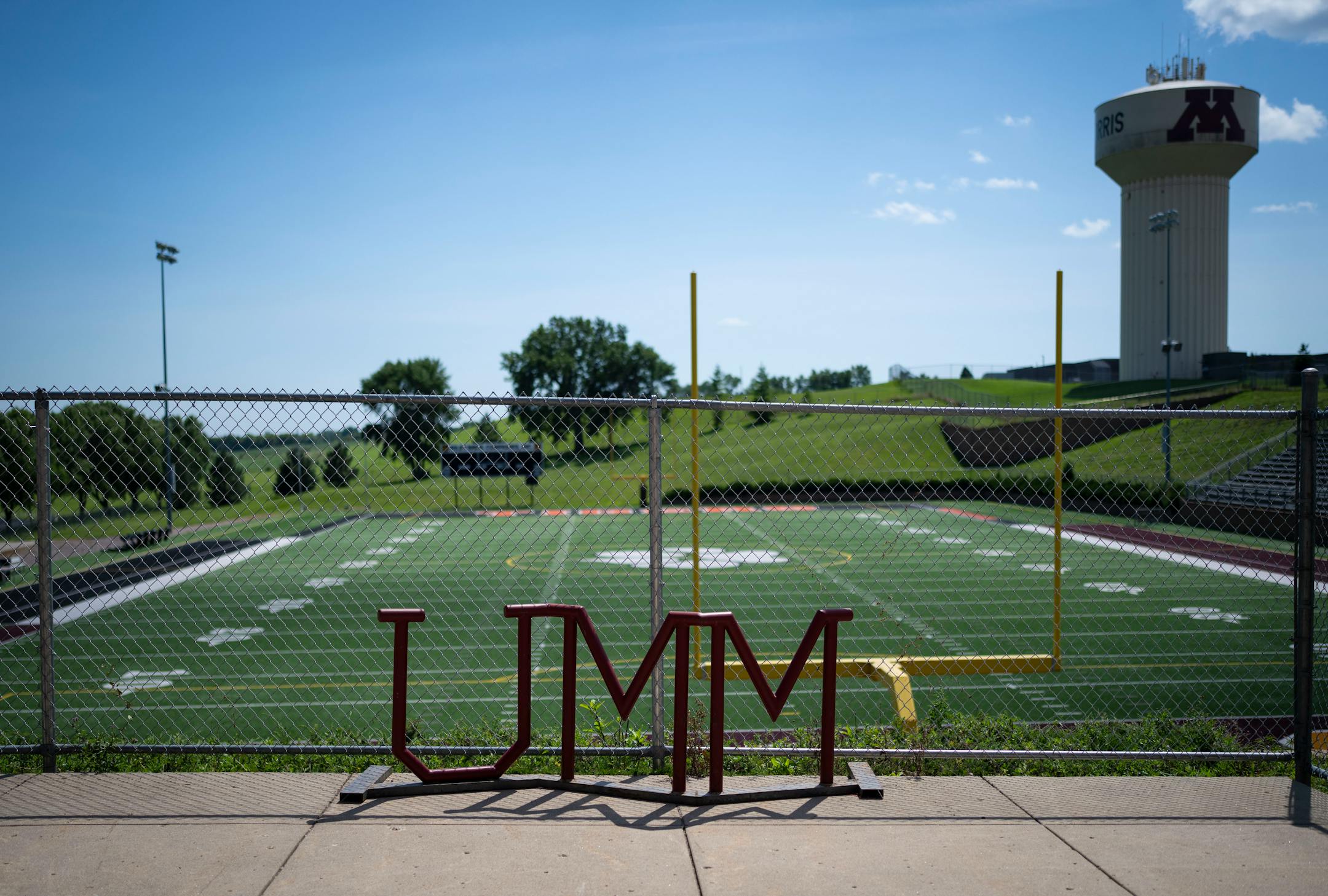
The football stadium at the Cougar Sports Center is a shared gymnasium between the town of Morris and the University of Minnesota Morris, photographed on Aug. 12. (Renée Jones Schneider/The Minnesota Star Tribune)
about the writer

about the writer

Erin Adler

Reporter

Erin Adler is a news reporter covering higher education in Minnesota. She previously covered south metro suburban news, K-12 education and Carver County for the Minnesota Star Tribune.

See Moreicon

More from News & Politics

See More
card image
Alex Kormann/The Minnesota Star Tribune

Lawmakers and business owners say Minnesota’s testing, age limits and potency caps show what a safe national framework could look like — if the federal ban doesn’t erase it first.

card image
card image