
United Way launches relief campaign as federal shutdown pressures Minnesota food shelves

Nonprofits and cities rush to prepare as hundreds of thousands who depend on federal food aid remain in limbo.

The Minnesota Star Tribune
November 2, 2025 at 8:35PM
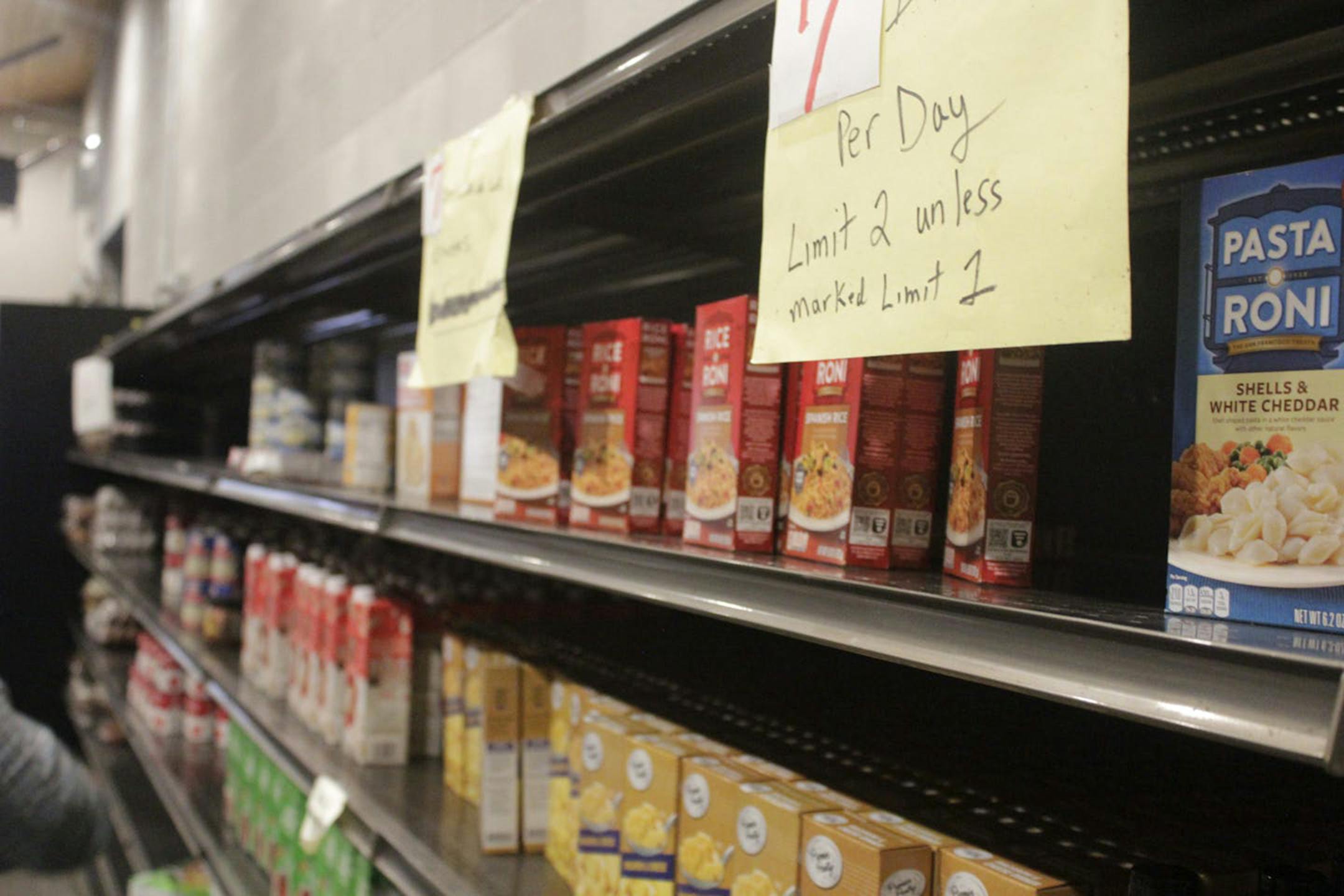
The food at Gethsemane Lutheran Church in north Minneapolis has been winnowed by federal food shelf funding cuts. (Kyeland Jackson)

Greater Twin Cities United Way has launched an emergency food relief campaign, warning that demand for help is spiking as the availability of federal food assistance remains in question.

Calls to the organization’s 211 helpline about food have risen 82% in recent weeks — a sign, leaders say, of growing anxiety as the federal shutdown drags on.

“This is a crisis,” said John Wilgers, the organization’s president and chief executive. “Families are making impossible choices between groceries, rent and medicine.”

The United Way’s campaign is part of a broader effort across Minnesota to prepare for what could be one of the most significant hunger emergencies in years.

The federal shutdown has threatened November payments for the Supplemental Nutrition Assistance Program, or SNAP, that roughly 440,000 Minnesotans use to pay for groceries. A federal court ruling on Friday directed the U.S. Department of Agriculture to report on Monday about contingency funding that could be used to finance November benefits. State agencies have said some SNAP benefits will be available this month. However, the benefits would likely only be partial, and it’s not clear when they will get to recipients.

Local governments and food shelves are scrambling to fill the gap if that happens.

United Way says many of those affected are working Minnesotans who earn too much to qualify for most assistance but not enough to cover basic needs. The organization has already distributed $105,000 in emergency grants to partners including Route 1, The Peoples’ Market and The Food Group to move food faster to families in need.

In Dakota County, The Open Door food shelf — which serves more than 22,000 people each month — is preparing to expand its distributions ahead of an expected spike in demand. More than 10,000 residents there could lose food assistance.


Bloomington officials are also taking action. The City Council on Oct. 27 approved $250,000 in grants for local food programs if federal funds lapse. Police and fire departments are collecting donations across the city, and residents are being encouraged to support organizations like VEAP Food Pantry.

About 6,000 Bloomington residents depend on SNAP or the Minnesota Family Investment Program, which helps low-income parents cover essential costs, and another 1,700 rely on the Women, Infants and Children nutrition program that provides food and formula for pregnant people and young children.

“These are life-sustaining programs that are at risk,” Mayor Tim Busse said. Bloomington Public Health provides formula for more than 200 infants, including nearly 90 who require specialized medical formula.

Hunger-relief groups are extending hours, shifting staff and reworking inventories to meet what they expect could be a sharp increase in need.

Those who want to help can donate to the Greater Twin Cities United Way’s Emergency Food Relief Campaign or volunteer with local food shelves stepping up to meet rising demand. Nonprofits across the Twin Cities say financial donations go the farthest, since they can buy food at wholesale prices and move it quickly to families who need it most.

about the writer

about the writer

Sofia Barnett

Intern

Sofia Barnett is an intern for the Minnesota Star Tribune.

See Moreicon

More from News & Politics

See More
card image
Anthony Soufflé/The Minnesota Star Tribune

A Minnesota Star Tribune analysis of test scores shows which of the state’s public schools have exceeded expectations.

card image
card image