With federal food aid about to dry up, counties scramble to help those who rely on it

The pending loss of food aid amid the federal government shutdown could hit rural Minnesota hardest, but is also certain to be felt across the state.

The Minnesota Star Tribune
October 29, 2025 at 11:00AM
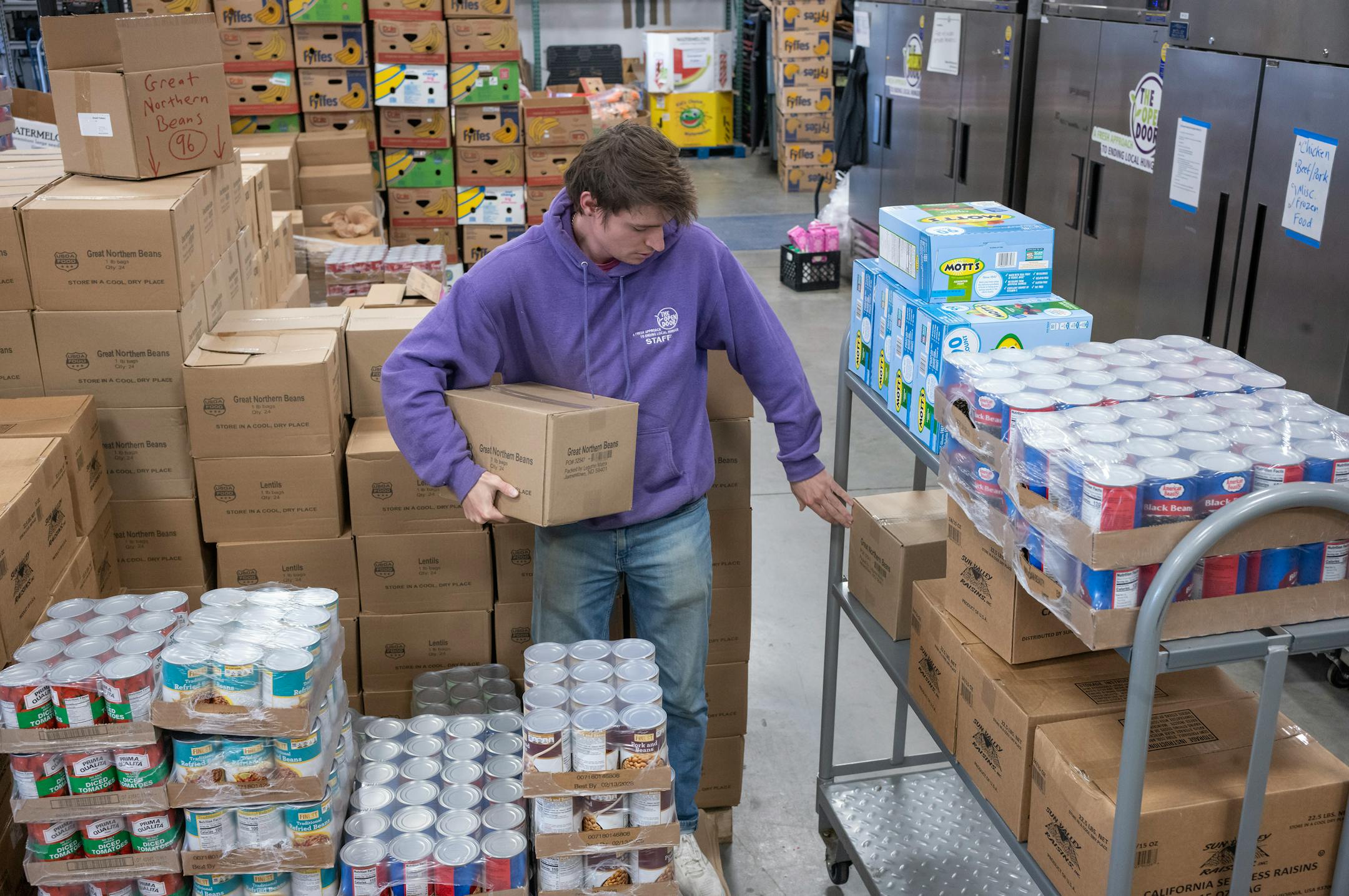
Ian Danielson, a staff member at the Open Door food shelf, gathers food items on Monday in Eagan. Minnesota counties are informing residents receiving food aid and other federal benefits that they won't be able to get SNAP, WIC and other funds in November if the government shutdown continues. (Jerry Holt/The Minnesota Star Tribune)

Ronda Elstad is on disability and relies completely on the federal food benefit she receives at the beginning of every month to get her groceries. But the 65-year-old Duluth woman learned recently that money will run out in November unless the federal government shutdown ends.

Without the Supplemental Nutrition Assistance Program (SNAP) benefit, Elstad said, she will have to depend on food shelves.

“It’s taking away a huge chunk of people’s dignity, and you’re going to see people suffering,” Elstad said. “We already cut back. People were already cutting their corners.”

The warnings are dire for more than 440,000 low-income Minnesotans receiving federal food assistance as the government shutdown continues. It could hurt even worse for those in greater Minnesota, where three-fifths of SNAP recipients live with less access to food shelves and philanthropic groups, advocates say.

About 1 of every 13 Minnesotans — including more than 152,000 children and 72,000 seniors, according to the state — receive SNAP benefits, but that is scheduled to end Nov. 1. Counties and nonprofits across the state are scrambling to help low-income families in what advocates are calling an unprecedented crisis.

Gov. Tim Walz announced Monday that Minnesota will contribute $4 million toward food benefits. He stressed the money is a stopgap measure and will not be enough to make up for the $73 million in federal funds Minnesota was set to receive in November.
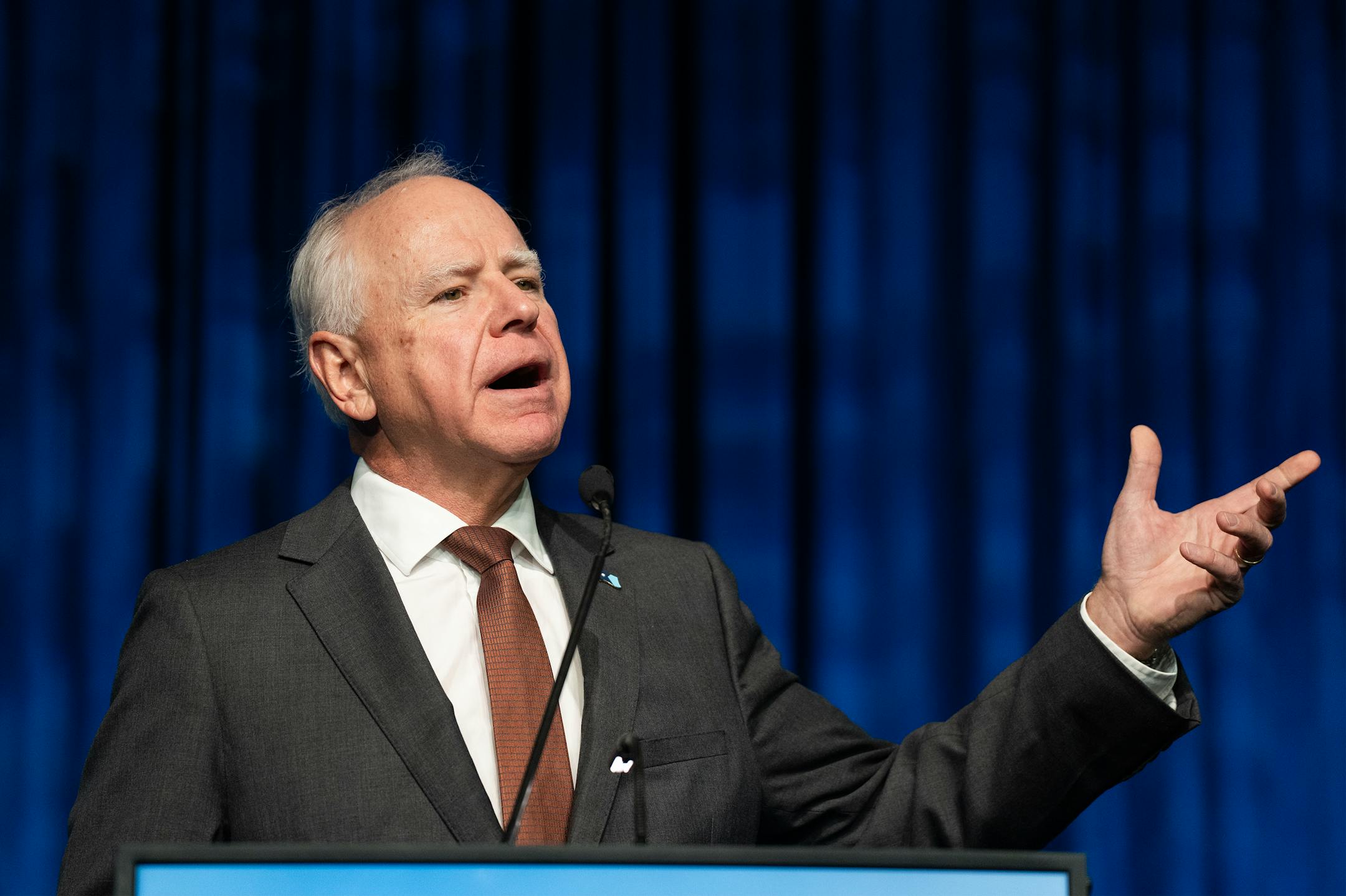
Gov. Tim Walz speaks at the Minneapolis Convention Center on Oct. 9. (Richard Tsong-Taatarii/The Minnesota Star Tribune)

Democrats and Republicans in Congress remain deadlocked over whether to extend expiring health care subsidies. U.S. Senate Democrats have refused to vote for GOP funding bills as they push for the extension. Republicans say they will debate that issue, but only after the shutdown ends.

The Trump administration signaled last weekend it wouldn’t fund food benefits next month or tap into an estimated $5 billion fund the U.S. Department of Agriculture keeps to help offset the lost money.

(Sign up for the Minnesota Star Tribune’s Rochester Now newsletter, covering the latest Rochester news, delivered each weekday.)

Minnesota Attorney General Keith Ellison and 22 other state attorneys general on Tuesday announced a lawsuit against the department, seeking to keep SNAP benefits flowing. The suit argues the USDA has the authority to use limited funding to support food programs, just as it has in previous government shutdowns.

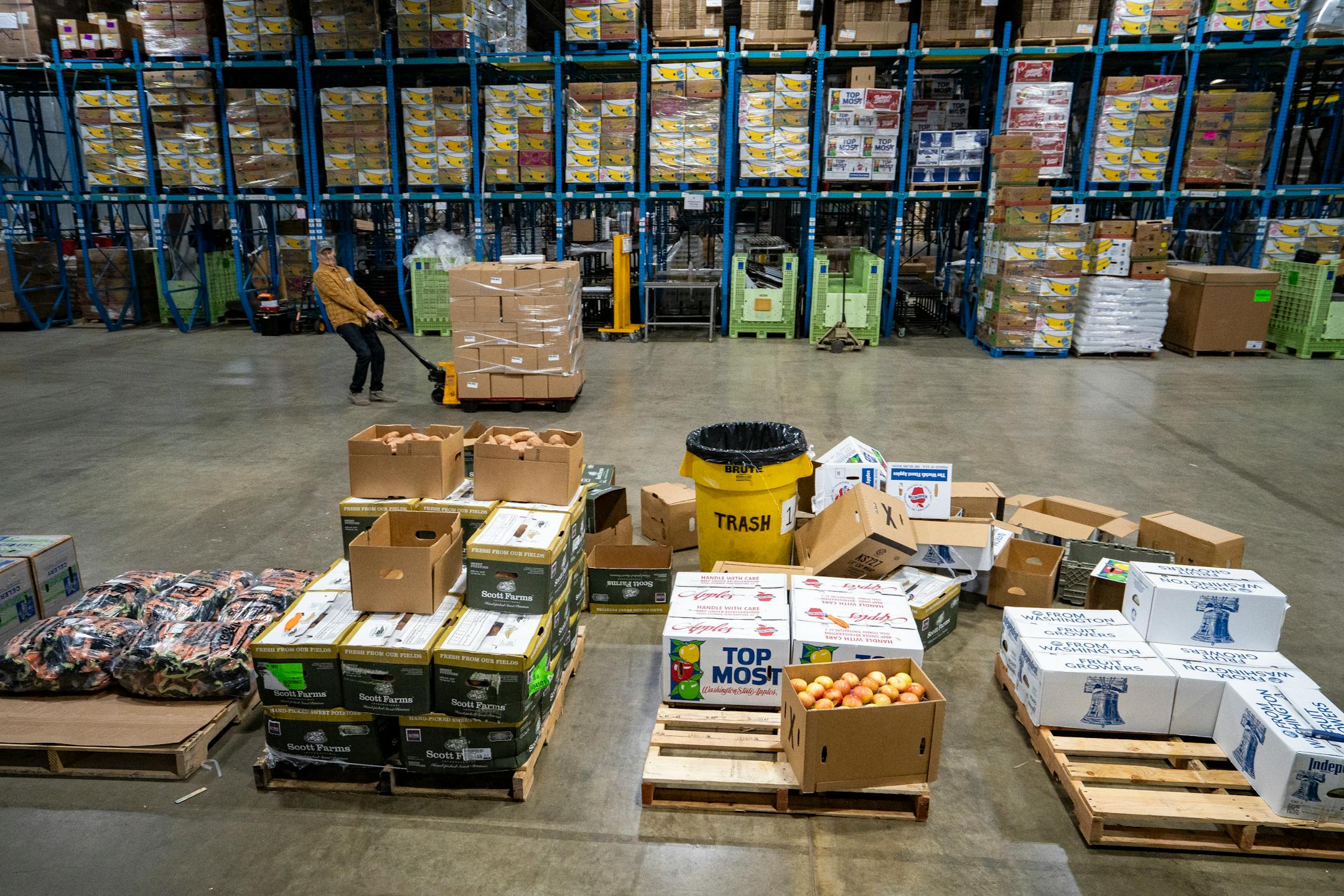
Counties are working with food shelves and community donors to stem the losses, but advocates say it will be difficult to make up the difference. Food shelves across Minnesota are also seeing record need.

“For every one meal that is provided by food shelves, food banks or the charitable food system, SNAP provides nine,” said Sophia Lenarz-Coy, executive director of the Food Group, a statewide nonprofit.

A volunteer hauls the Food Group’s first full pallet of produce boxes during the food bank’s “Pack to the Max” event on the 15th annual Give to the Max Day at the Food Group in New Hope on Nov. 16, 2023. (Angelina Katsanis/The Minnesota Star Tribune)

Lenarz-Coy said the freeze could drive an array of “ripple consequences,” such as worse attendance in school and more visits to emergency rooms as school meals won’t cover all of a child’s nutritional needs through the week and weekends, and studies show less food intake leads to worse health outcomes. Small-town grocery stores also stand to lose millions in revenue from the SNAP freeze.

Greater Minnesota residents could especially struggle because food shelves are spread out and people have to drive farther to get meals.

In urban areas, residents can get support from more food programs and shelves all at once — Meals on Wheels one day, then a free congregate hot meal from a community center the next, for instance, Lenarz-Coy pointed out.

“If you live close enough to all of that, you can access and stack all of those benefits,” she said. “In a lot of rural communities, there are just fewer benefits.”

Counties are already taking action. Olmsted County last week allocated contingency funding toward Rochester-based Channel One Regional Food Bank to feed over 12,800 who get benefits through SNAP or the Minnesota Family Investment Plan.

The County Board approved $200,000 toward Channel One, about half of what the food shelf estimates it needs to make up the shortfall using discounts and bulk deals to buy food.

“We can certainly do it here, but every county in Minnesota will not be doing this because they do not have the money,” said Virginia Witherspoon, director of Channel One.

About a quarter of the state’s SNAP recipients live in Hennepin County, which paid out nearly $20 million in food benefits in September. Each household typically receives about $300 per month.

“These are our neighbors, our kids’ classmates and friends, working families, parents, aunties and uncles working hard, with multiple jobs, to ensure that food is on the table and that there’s a safe place for their families to lay their heads at night,” said Irene Fernando, Hennepin County Board chair.

Hennepin County Commissioner Irene Fernando speaks during a Hennepin County Board meeting on Aug. 6, 2024, in Minneapolis. (Aaron Lavinsky/The Minnesota Star Tribune)

In Nicollet County, which includes North Mankato and St. Peter, almost 2,000 residents stand to lose their food benefits in November, about a third of them children, according to Cassandra Sassenberg, Nicollet County’s health and human services director.

With federal aid suspended, the county is focused on connecting residents with local support and faith groups. Staff members are even organizing their own food drive, Sassenberg said.

“If people are really here with nothing, we have something in hand for them,” she said.

St. Louis County was still waiting to hear how the state’s contingency funding would be disbursed to the county’s more than 15,800 SNAP recipients, said Dusty Letica, public health and human services deputy director for the county.

Second Harvest Northland, which serves northeast Minnesota, hadn’t yet seen a surge in demand in the waning days of October, but president and CEO Shaye Morris said she is expecting to see a gap in the region. The Duluth-based nonprofit had already seen cuts to federal and state funding and now is anticipating greater demand.

“We are looking for people to support our work,” she said. “We can’t buy our way out of this food deficit, but dollars do help fill gaps.”

In smaller, more remote counties, officials are doing what they can to keep people informed and to urge the community to step up with donations.

Becky Foss, health and human services director for Pine County, said it wouldn’t be possible for the local tax base to support contingency funding like Olmsted or other big counties to help about 3,000 residents on SNAP.

Still, Foss said cities and towns in Pine County, which has a population of about 30,000, are willing to step up to help their neighbors.

“Even though this is a concerning time, I strongly believe that this is a resilient community and it will respond,” she said. “I do believe that there will be an outpouring of support and we’ll be able to navigate this.”

Christopher Magan, Jp Lawrence and Christa Lawler of the Minnesota Star Tribune contributed to this story.

A woman with a child gathers groceries at the Open Door food shelf Monday in Eagan. Minnesota counties are informing residents receiving food aid and other federal benefits that they won't be able to get SNAP, WIC and other funds in November if the government shutdown continues. (Jerry Holt/The Minnesota Star Tribune)
about the writers

about the writers

Trey Mewes

Rochester reporter

Trey Mewes is a reporter based in Rochester for the Star Tribune. Sign up to receive the Rochester Now newsletter.

See Moreicon

Emma Ritter

Intern

Emma Ritter is an intern for the Minnesota Star Tribune.

See Moreicon

More from Greater Minnesota

See More
card image
Jacquelyn Martin/The Associated Press

Trump signed the Congressional Gold Medal Act awarding the team Congress’ highest civilian honor.