LONDON — It's been dubbed "V-Day" in Britain -- recalling the D-Day landings in France that marked the start of the final push in World War II to defeat Nazi Germany.
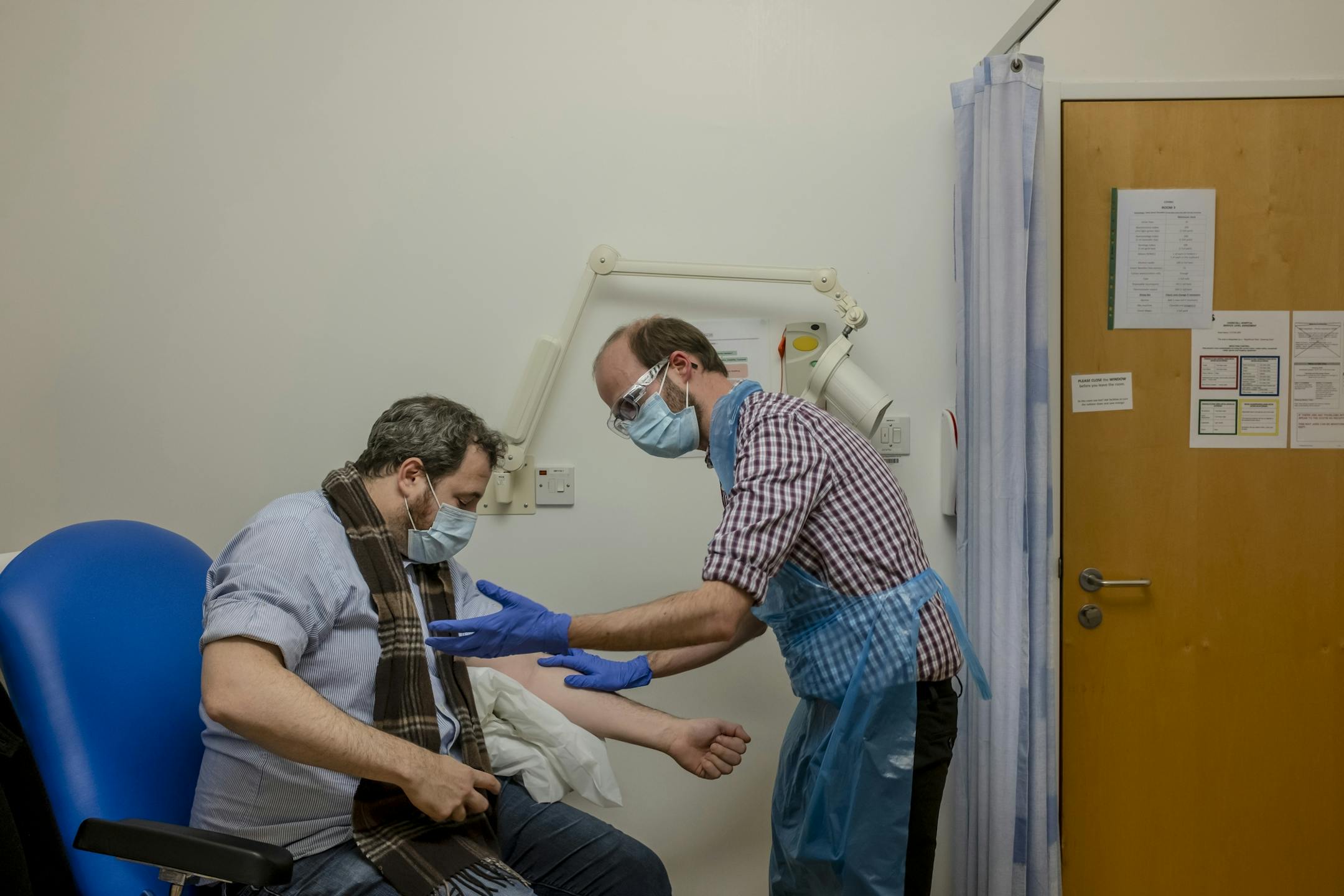
A week after the U.K. became the first Western country to authorize widespread use of a vaccine against COVID-19, it is preparing to administer its first shots on Tuesday in its war on the virus.
Those 800,000 doses will first go to people over 80 who are either hospitalized or already have outpatient appointments scheduled, along with nursing home workers.
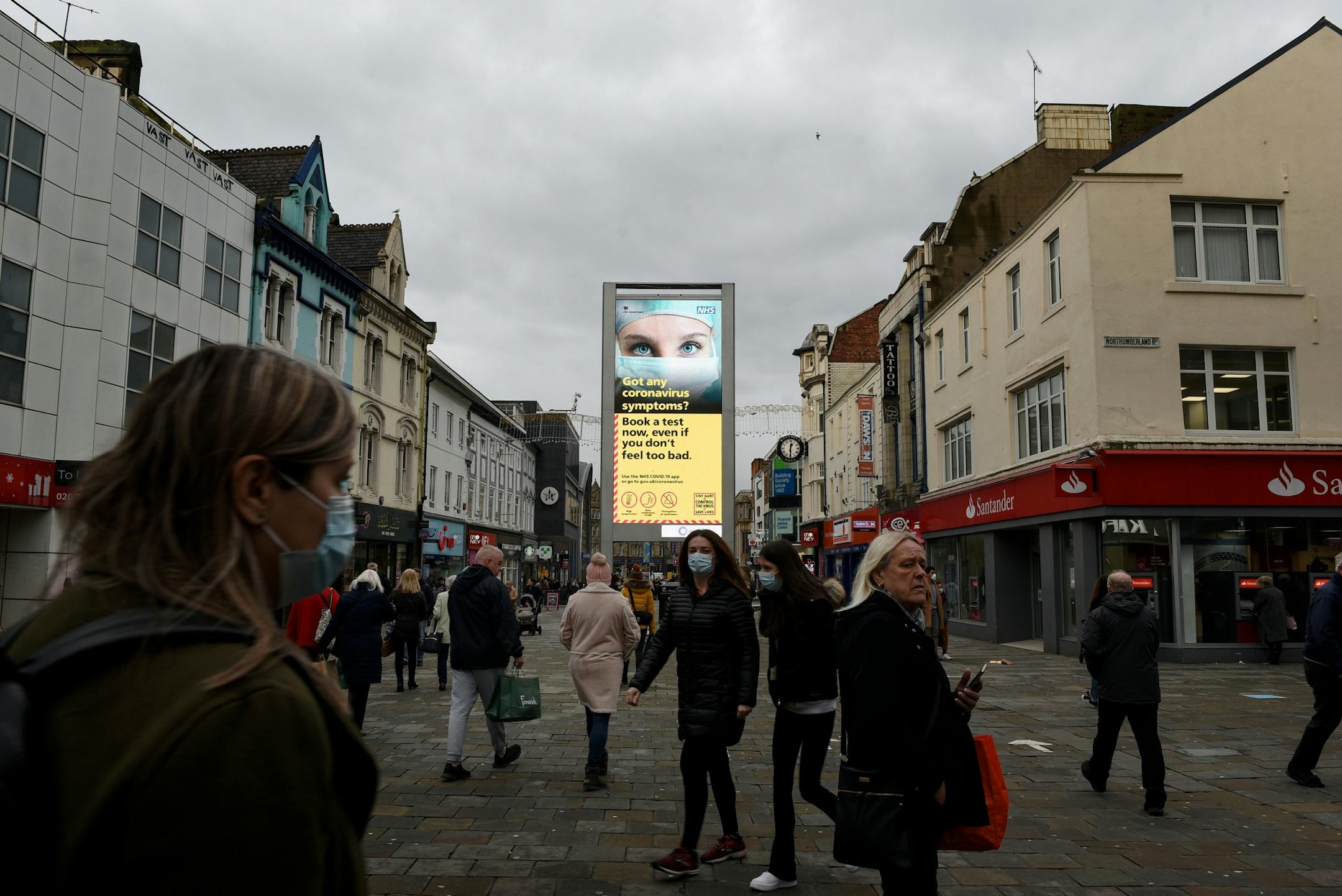
In other words, the National Health Service is saying to the waiting public, in effect: Don't call us, we'll call you. Only those who have been contacted by the NHS to arrange an appointment will be getting the jab.
Most people will have to wait until next year before there is enough vaccine on hand to expand the program.
"I don't think people should expect anything over the next few days because the reality is … that for the vast, vast, vast majority of people this will be done in January, February, March,″ said Chris Hopson, chief executive of NHS Providers. "And the one thing that we don't want people to get anxious about or concerned about is 'Where's my letter?' in December."
Public health officials around the globe are watching Britain's rollout as they prepare for the unprecedented task of rapidly vaccinating billions of people to end the pandemic that has killed more than 1.5 million worldwide. While the U.K. has a well-developed infrastructure for delivering vaccines, it is geared to vaccinating groups such as school children or pregnant women, not the entire population.
The U.K. is getting a head start on the project after British regulators on Dec. 2 gave emergency authorization to the vaccine produced by U.S. drugmaker Pfizer and Germany's BioNTech. U.S. and European Union authorities are also reviewing the vaccine, alongside rival products developed by U.S. biotechnology company Moderna, and a collaboration between Oxford University and drugmaker AstraZeneca.