Trump’s refugee changes leave Karen man separated from his wife and daughter

Ro’s wife and daughter were set to join him in St. Paul when changes to the Refugee Admissions Program canceled their trip. Now they are stuck in a refugee camp.

The Minnesota Star Tribune
December 6, 2025 at 12:00PM
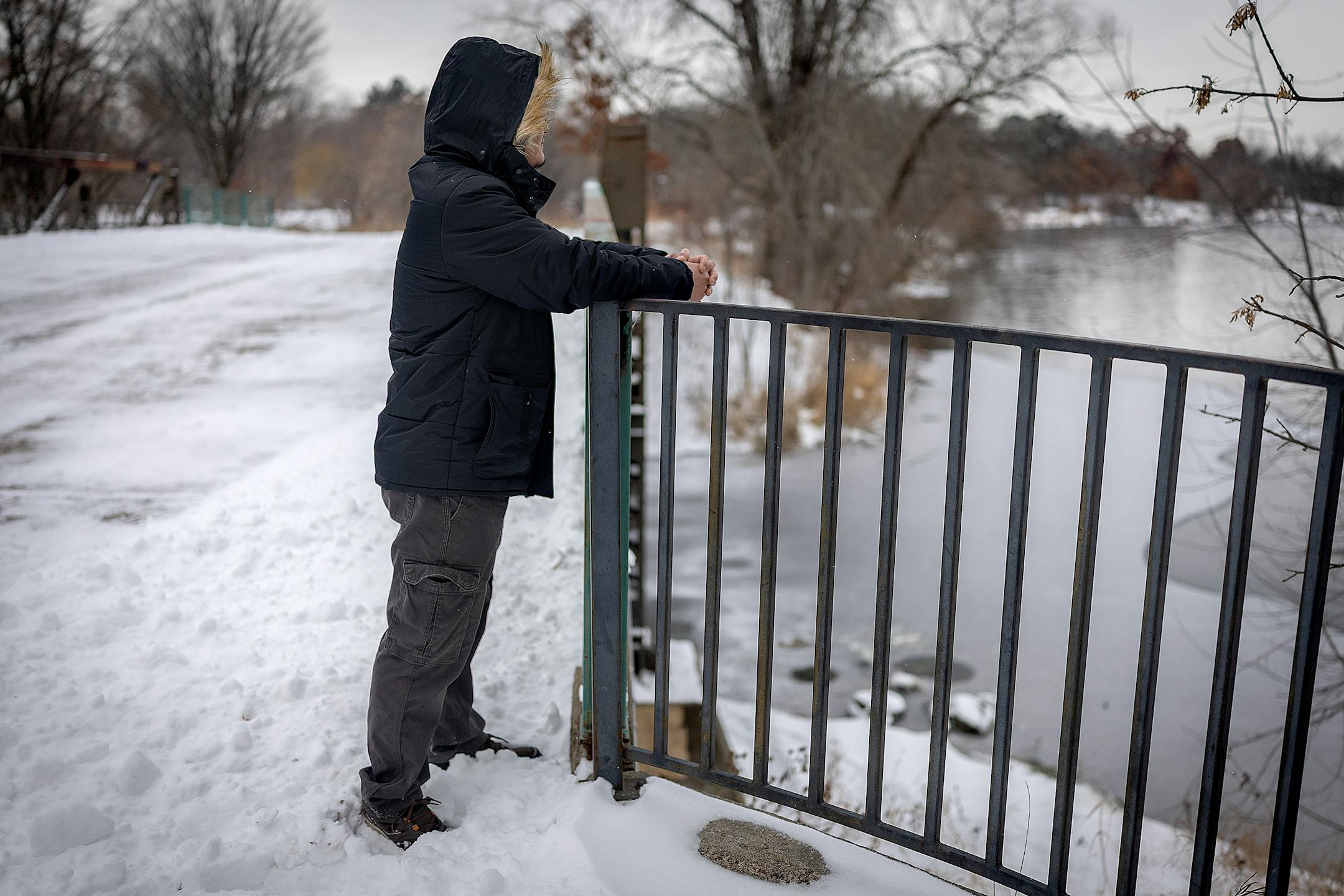
Ro, photographed at a park in St. Paul, says his wife and 5-year-old daughter are stuck in a refugee camp in Thailand after Trump froze the resettlement program. (Elizabeth Flores/The Minnesota Star Tribune)

Like lots of dads, Ro proudly displays a picture of his smiling daughter, JuJu, on the lock screen of his cellphone. But the photo is also a difficult reminder that he doesn’t know when he’ll see his 5-year-old again in person.

Ro’s daughter and his wife, Meenge, are among the thousands of refugee families caught up in President Donald Trump’s immigration crackdown. One of Trump’s first actions when he returned to office was to freeze the Refugee Admissions Program, leaving JuJu and Meenge stuck in a refugee camp in Thailand.

Ro’s family is Karen, an ethnic group that has spent decades in refugee camps, fleeing civil war and human rights abuses in Myanmar, formerly Burma.

Trump went a step further while the U.S. government was shut down in October, setting the maximum number of refugees the U.S. will resettle in 2026 at a 40-year low for the program. Without the required congressional consultation, Trump said he’d resettle 7,500 refugees, a dramatic decline from the 125,000 annual cap under former President Joe Biden.

The only group able to bypass Trump’s new restrictions are Afrikaners, white South Africans, who the president claims without evidence are victims of a genocide. Refugees wait an average of 17 years to be resettled, but Afrikaners have been fast-tracked under Trump with one family arriving in Minnesota in May and more expected.

If Trump hadn’t changed the program, Ro’s wife and daughter would be living with him in St. Paul. Last winter, they were days away from traveling to Minnesota when their trip was abruptly canceled.
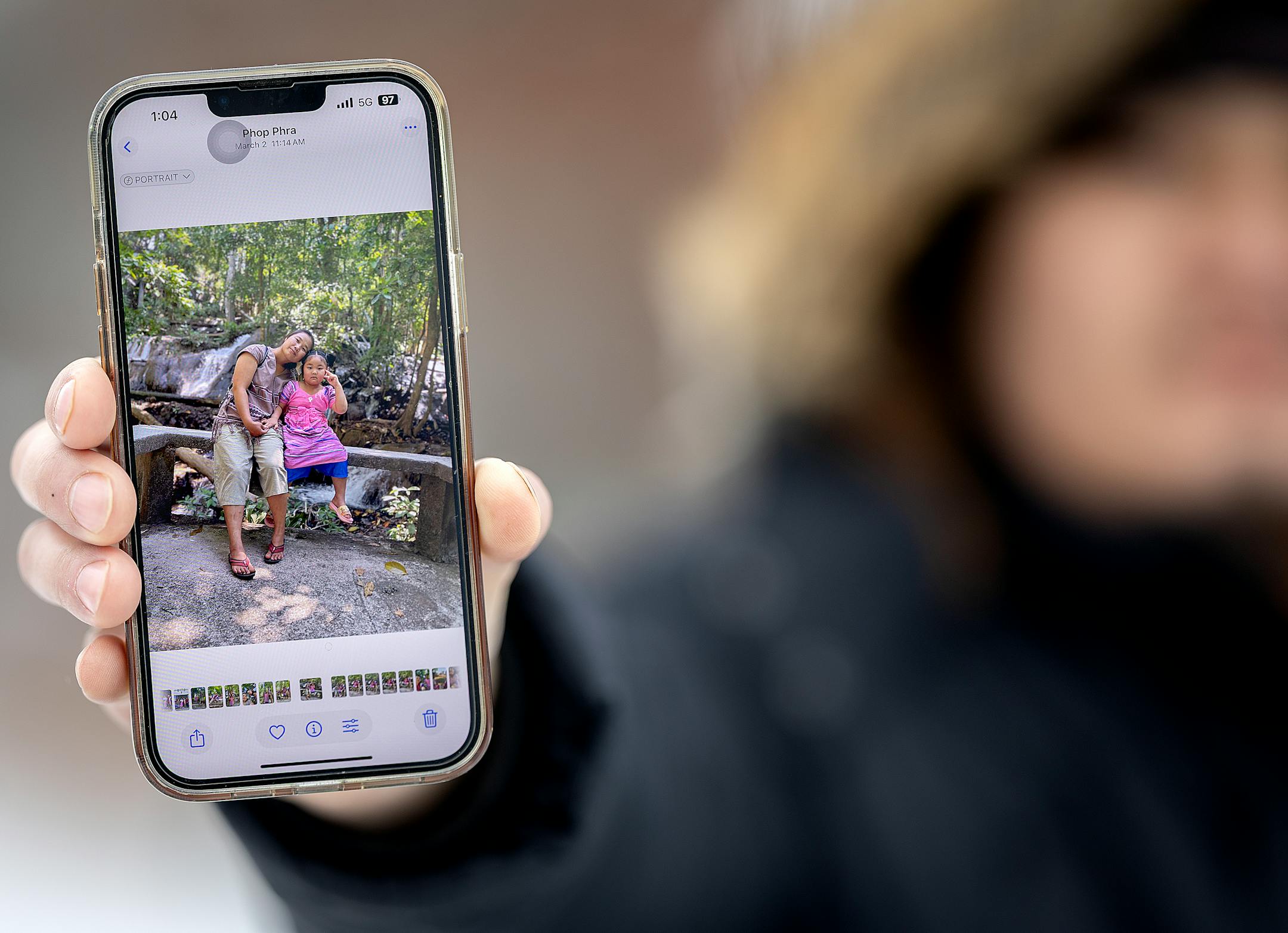
Ro holds up a photo of his family on Dec. 1. His wife and 5-year-old daughter are stuck in a refugee camp in Thailand. (Elizabeth Flores/The Minnesota Star Tribune)

“Cutting off the program is like killing their dream,” Ro said through a translator. “Their only hope was to come here and live a safer life.”

The Minnesota Star Tribune is using the family’s nicknames because they fear for their safety.

Ro’s family is among 10,000 refugees about to come to the U.S. who are now in limbo. On Nov. 28, Trump said he would indefinitely cut off immigration from 19 countries he said are a security risk, including Myanmar.

“It is unjust on so many levels,” said Ruth LePage, executive director of Arrive Ministries, which works with refugees like Ro to help them acclimate to life in the U.S. “Imagine the heartbreak and devastation of families waiting to come. All of those years waiting are suddenly dashed.”

Minnesota welcomes refugees

Trump won a second term campaigning on a platform to strictly limit immigration and to deport millions living in the U.S. illegally.

The order freezing resettlements Trump signed on his first day in office claims the U.S. doesn’t have the capacity to accept refugees in a way that doesn’t “compromise the availability of resources for Americans, that protects their safety and security, and that ensures the appropriate assimilation of refugees.”

Andrew Arthur of the Center for Center for Immigration Studies said the Biden administration’s immigration police were too permissive, allowing criminals and other bad actors into the country. Trump’s policy changes are needed to reset the system, improve oversight and strengthen the vetting of refugees.

“If our immigration system is not credible it will lose popular support,” Arthur said. “Quite frankly, that’s what we saw over the prior four years.”

Refugee resettlement groups dispute those claims, citing the extensive background investigations immigrants already undergo and decades of successful resettlements. They argue the new restrictions and the decision to favor white South Africans are discriminatory.

Refugees who were already approved to travel are challenging the new restrictions in court.

Coming to the U.S. has always been a long shot for the 43 million refugees living in camps across the globe. Each year, a fraction of 1% get the chance for a new life here.

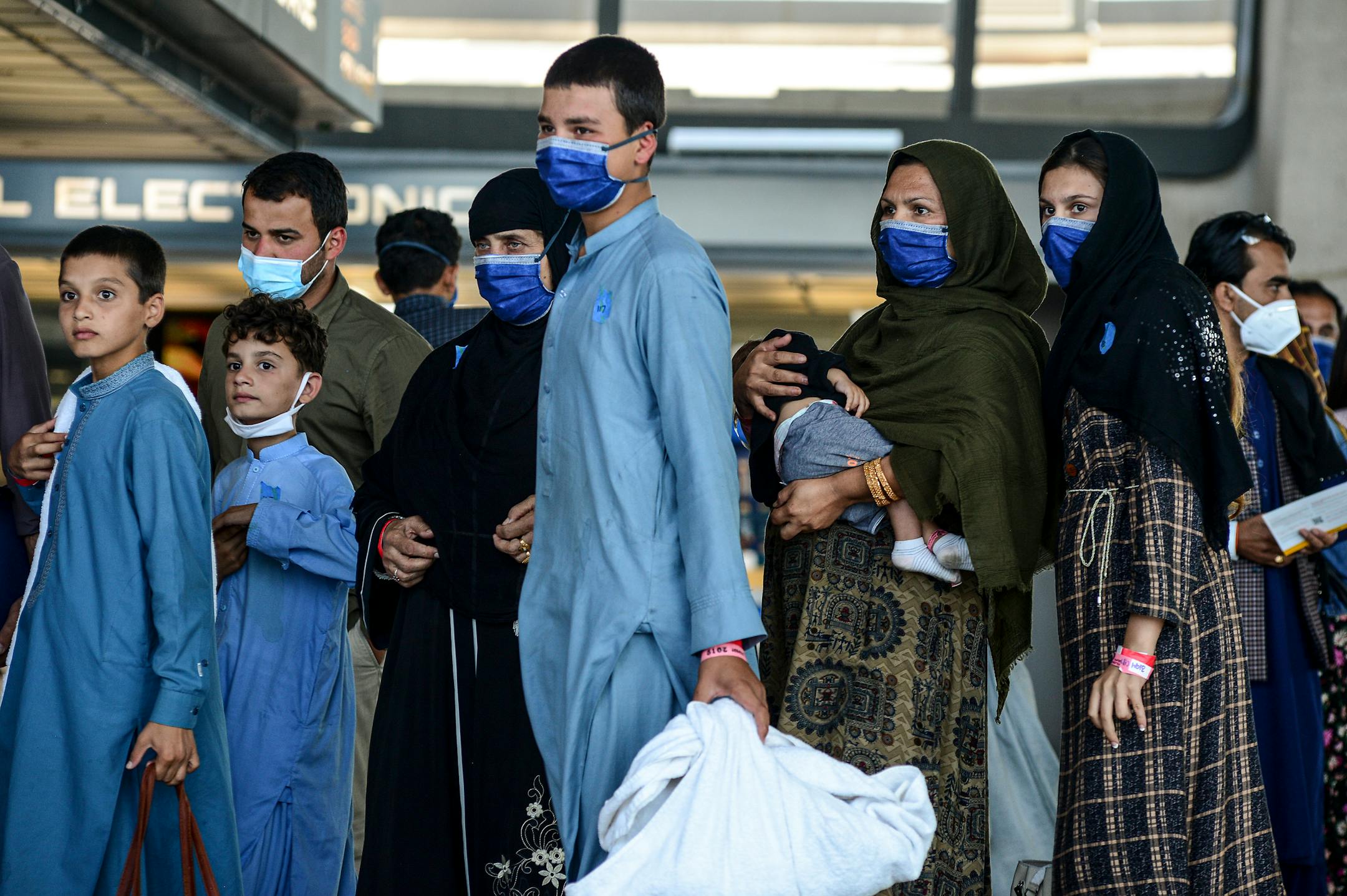
Afghan refugees arrive at Dulles International Airport outside of Washington on Aug. 24, 2021. Following the fall of Kabul in 2021, Afghan refugees fled to the U.S. as they were frantically evacuated. (Kenny Holston/The New York Times)

Yet Karen refugees like Ro and his family are part of Minnesota’s long history of helping people from around the world — including Somalis, Liberians and Hmong — escape civil war and genocide.

The nation’s largest population of 20,000 Karen refugees lives in Minnesota. They began arriving in the early 2000s and many have settled in Ramsey County.

“The Refugee Admissions Program is the part of the immigration system that works. They are the most vetted population to enter the United States,” LePage said. “They fuel our economy. We are a nation of immigrants.”

‘Changed my life’

Ro came to Minnesota over a decade ago with two brothers, a sister and his parents, who were sponsored by an aunt in St. Paul. His early years were spent in the Huaykalok refugee camp on Thailand’s border with Myanmar that was regularly subject to attacks.

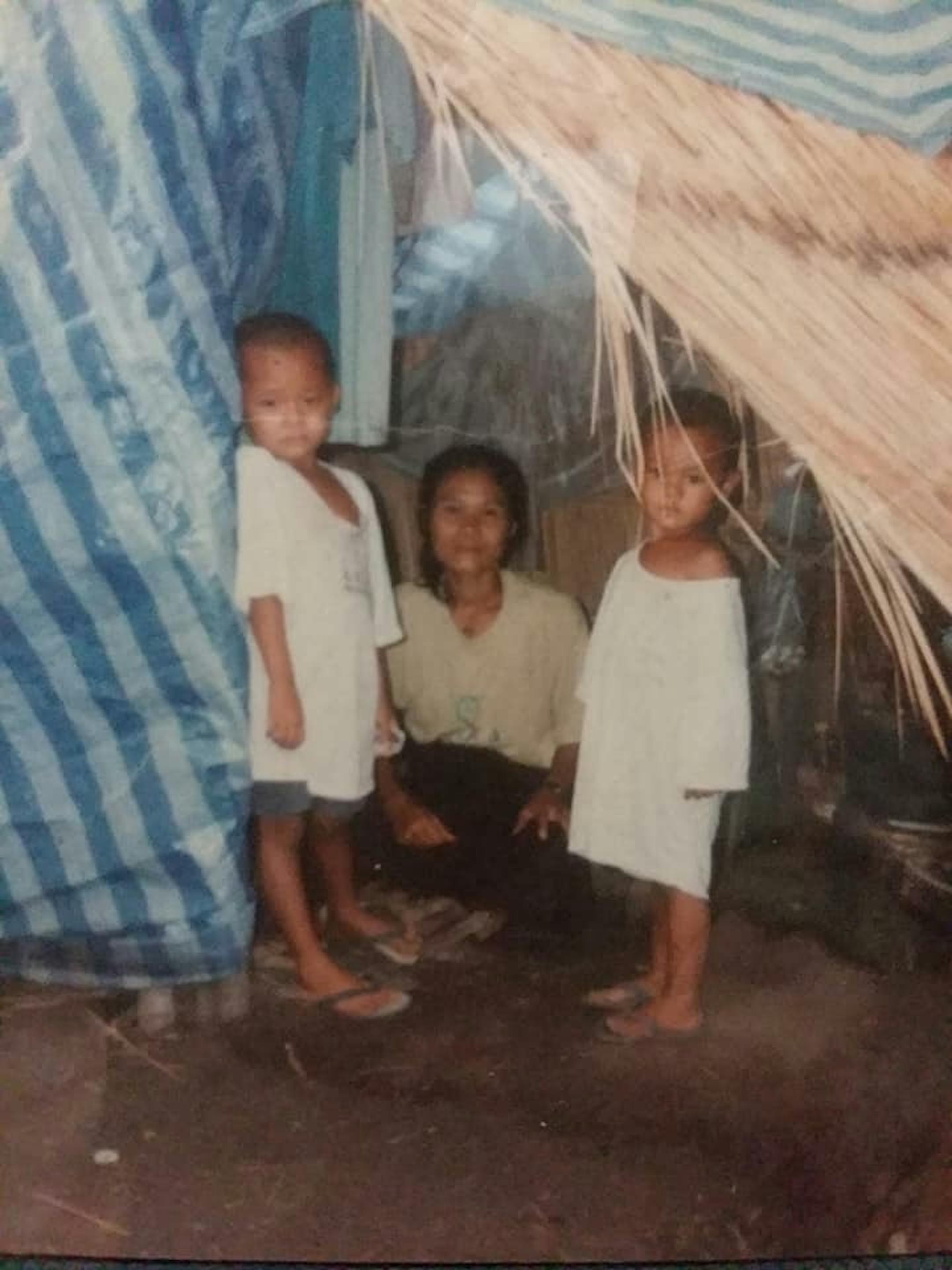
Ro, left, stands with his mother and brother as a child in a Karen refugee camp in Thailand. (Provided)

After armed men burned the Huaykalok camp in 1999, when Ro was 6, his family fled to the Umpiem camp, where they lived in a bamboo hut until coming to the U.S.

Ro says life in Umpiem was difficult. Jobs were scarce and those that were available required long hours in the scorching sun.

“Refugees face lives of hardship,” Ro said. “We are not refugees by choice. Coming here is our American dream. Refugees are not lazy. We work and pay taxes.”

Ro met Meenge while they were at school in the Umpiem camp and in 2017 he returned there to marry her. Their daughter JuJu was born in 2020.

Most of their interactions are over Facebook, where they can communicate by message and video. Ro has only been able to visit a few times and he’s not sure when he will be able to go back to the refugee camp.

He’s a U.S. citizen so he can only stay in Thailand for a limited amount of time. The family’s best chance at reunification is for the resettlement restrictions to end, but it’s unclear how long that will take.

Ro yearns for his wife and daughter to have the opportunities many in the U.S. take for granted — driving a car, seeing a skyscraper, eating new foods, going to a good school.

“I feel sad and depressed. It’s unfair. I want my family to be together,” Ro said. “Coming to the U.S. changed my life.”

about the writer

about the writer

Christopher Magan

Reporter

Christopher Magan covers Hennepin County.

See Moreicon

More from News & Politics

See More
card image
Alex Kormann/The Minnesota Star Tribune

Lawmakers and business owners say Minnesota’s testing, age limits and potency caps show what a safe national framework could look like — if the federal ban doesn’t erase it first.

card image
card image