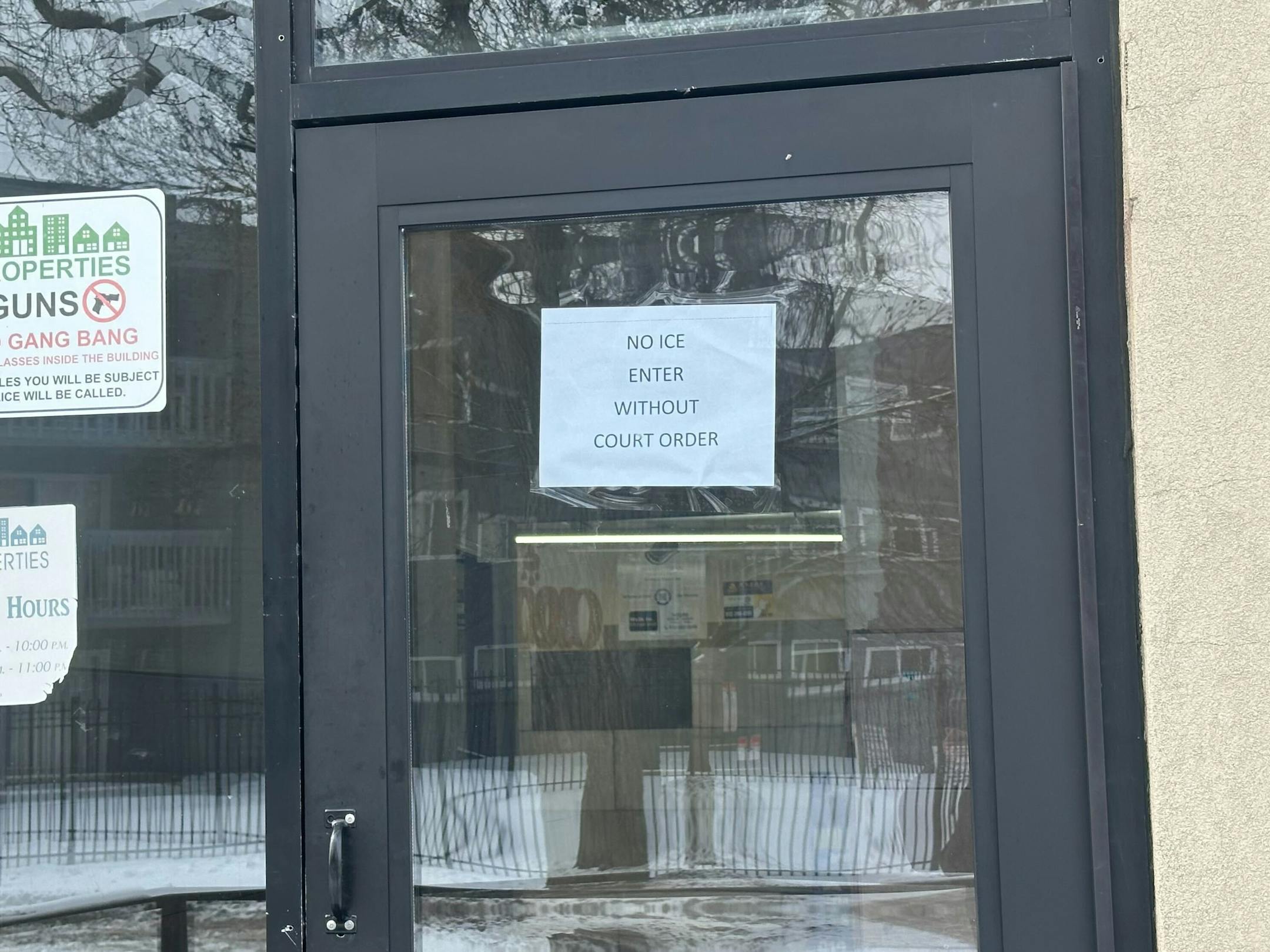
Reports that President Donald Trump’s federal immigration authorities will ramp up enforcement in Minnesota with a focus on Somali immigrants has stirred widespread fear in the Twin Cities community and beyond, and raised concerns that political rhetoric may soon translate into sweeping action.
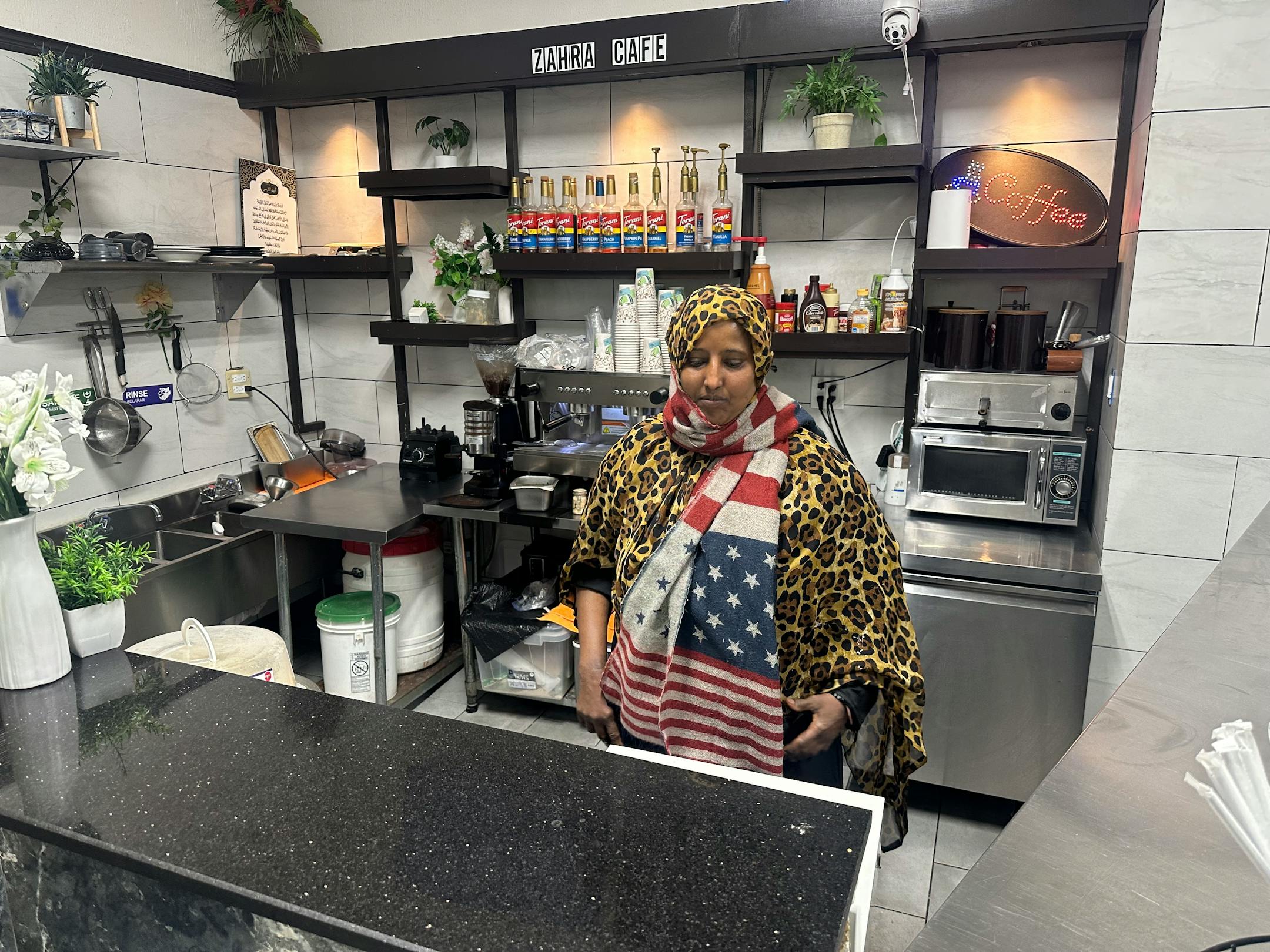
Inside Karmel Mall, the commercial and cultural center of Minneapolis’ Somali diaspora, the shift was unmistakable Tuesday. Foot traffic slowed. Shoppers cut their visits short. Conversations revolved around where ICE had been seen that morning or afternoon. The familiar weekday bustle felt eclipsed by caution.
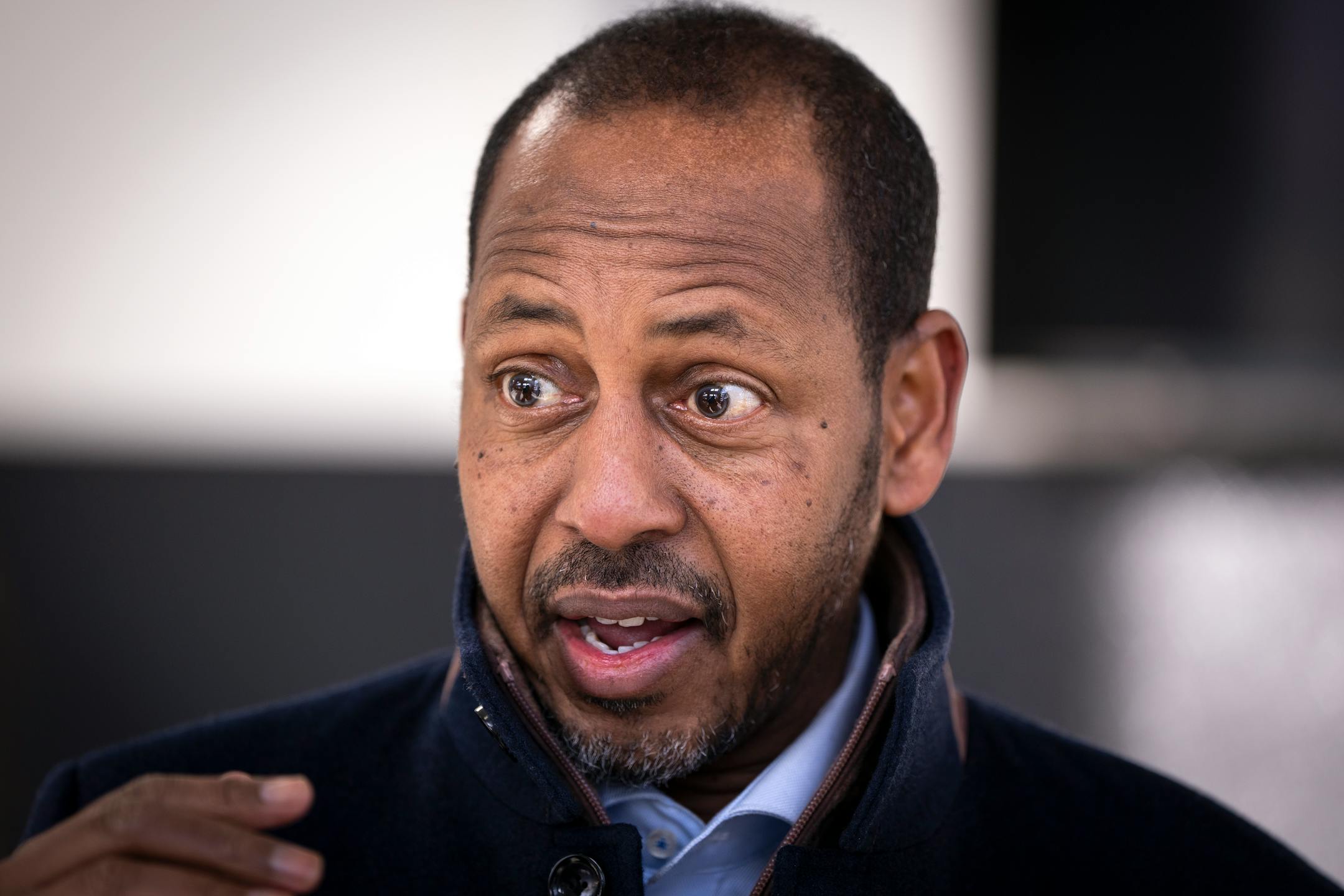
“He’s destroying the fabric of this nation, not the Somali community,” said Rashid Mohamud, 48, who studied political science in Somalia and earned an MBA in Wales before immigrating to the United States to work as an accountant. “The Somali community is his scapegoat.”
He said the president’s framing distorts both Somali Americans and the country itself.
“America was built on multi-ethnicity, tolerance. The Founding Fathers and those after them were thinking logically and systematically, trying to maintain the rule of law.”
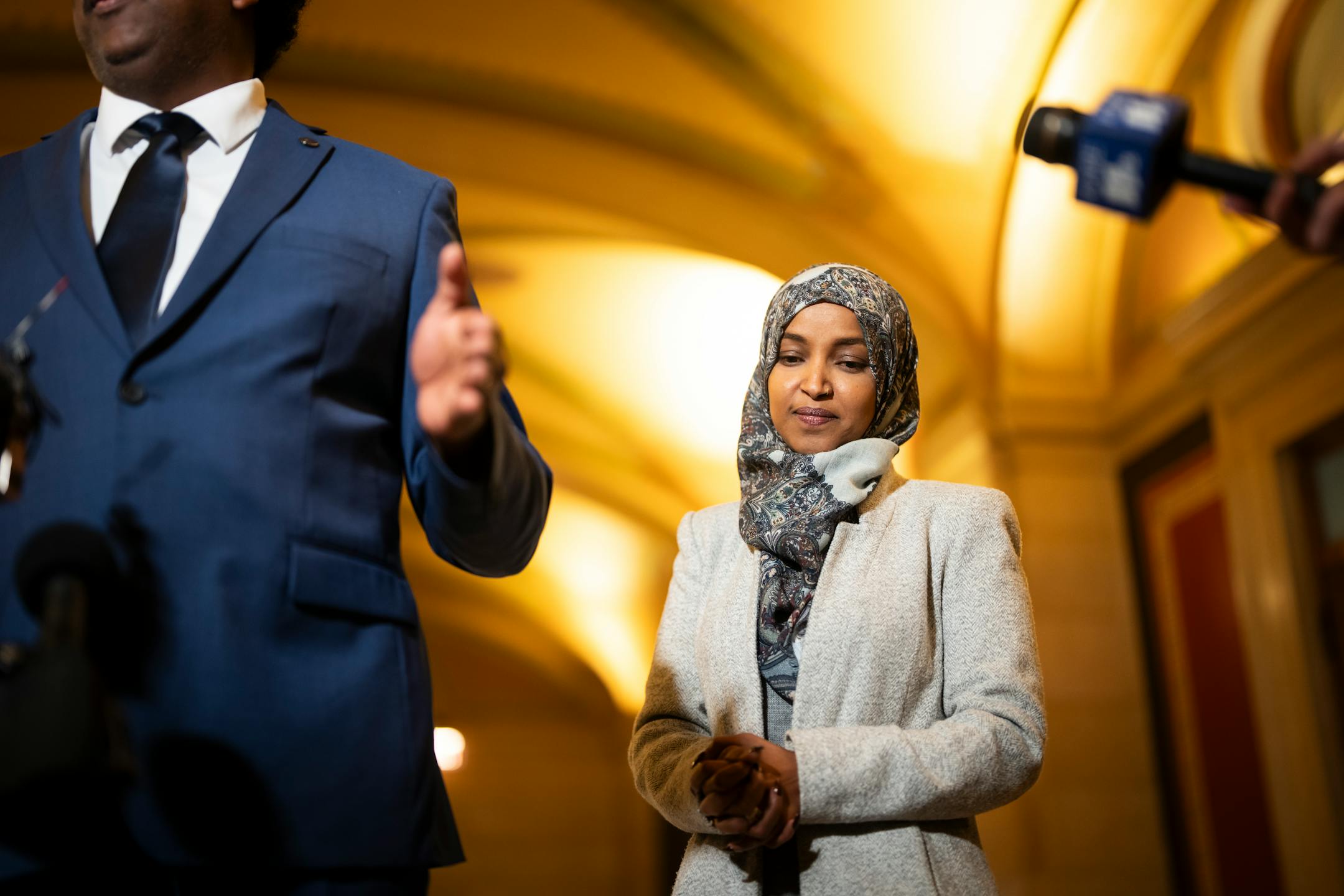
The president has also intensified his verbal attacks, describing Somali immigrants as “garbage,” claiming they “contribute nothing,” and suggesting they should be “sent back.” His comments, made during a cabinet meeting as ICE activity reportedly increases across Minneapolis and St. Paul, also targeted Rep. Ilhan Omar, a U.S. citizen born in Somalia.
‘They don’t have a place to go back’
The escalation comes on the heels of another significant move by the administration: ending Temporary Protected Status for Somali nationals, a change that strips humanitarian protections from hundreds of people who have lived legally in the United States for years. Many Somali Minnesotans say the TPS decision, coupled with stepped-up enforcement, signals that the president’s rhetoric is already shaping federal policy.
The timing dovetails with ongoing prosecutions in the $250 million Feeding Our Future scandal, in which nearly 80 people have been charged. Most defendants are Somali Minnesotans. Community leaders condemned the fraud early, stressing that a small group of conniving individuals carried it out. But many residents say the president is using the case to justify broad enforcement that casts suspicion over tens of thousands of lawful Somali residents, U.S. citizens, and mixed-status families.