
Trauma lingers for survivors of Delta crash in Toronto, with hope ‘to get my life back’

More than two dozen passengers have filed lawsuits, highlighting the lasting effects of the crash.

The Minnesota Star Tribune
September 12, 2025 at 11:00AM
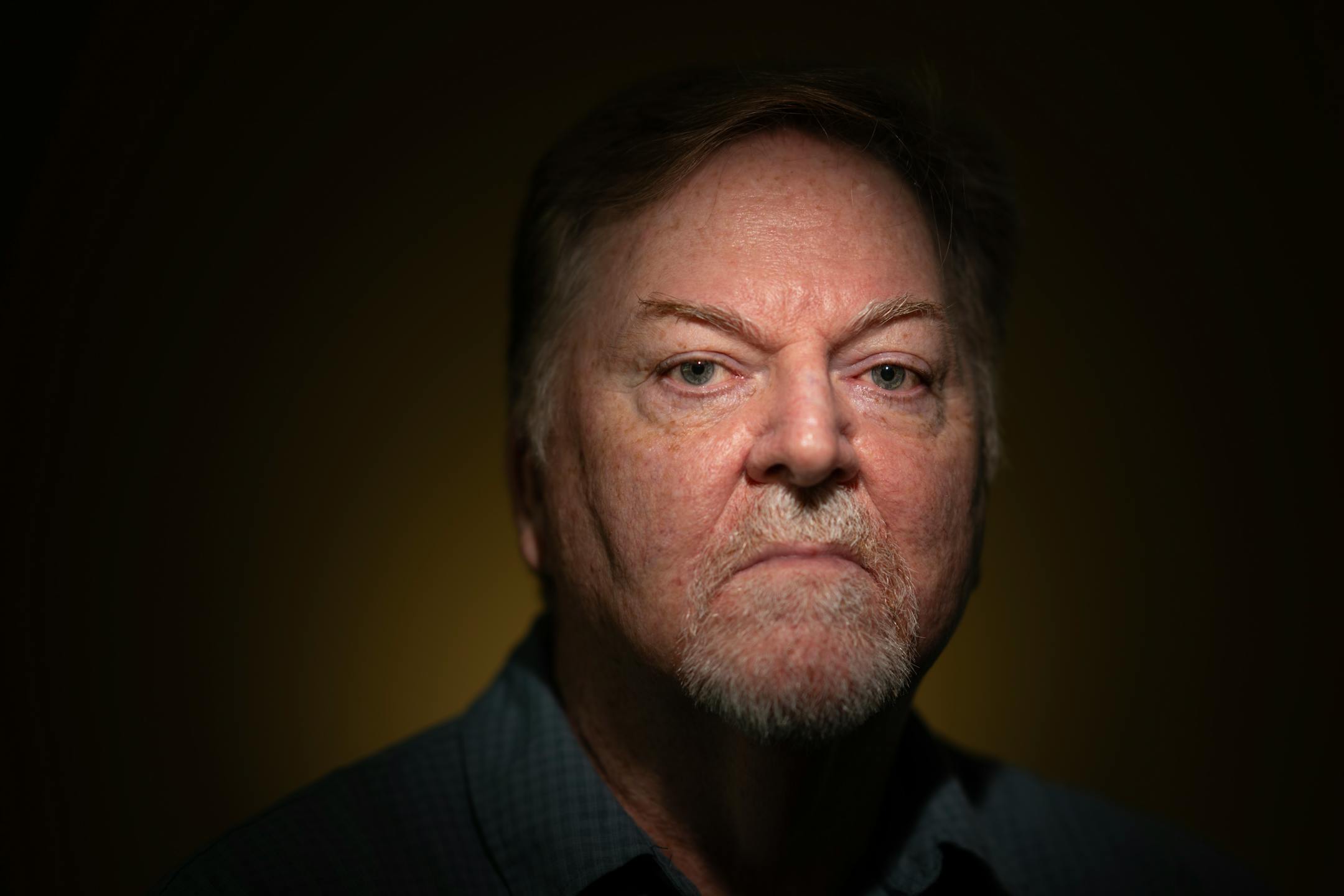
Pete Carleton is one of the passengers who survived Delta Flight 4819, the MSP-Toronto flight that crash-landed on the runway in February. Miraculously, no one died. (Jeff Wheeler/The Minnesota Star Tribune)

Pumping gas. Riding the train. Driving through the car wash.

In the past six months, each of those typically mundane activities brought Pete Carleton back to the time he almost died while strapped into seat 9D on Delta Connection Flight 4819.

Nowadays, the 65-year-old carries a bottle of anti-anxiety medicine wherever he goes. He is getting “gold stars” from his therapist, while finding ways to prevent full-scale panic attacks. Though he still suffers from some episodes, he’s working to get his life back on track.

“But that’s today,” Carleton said during a recent interview. “It’s still in the back of my mind.”

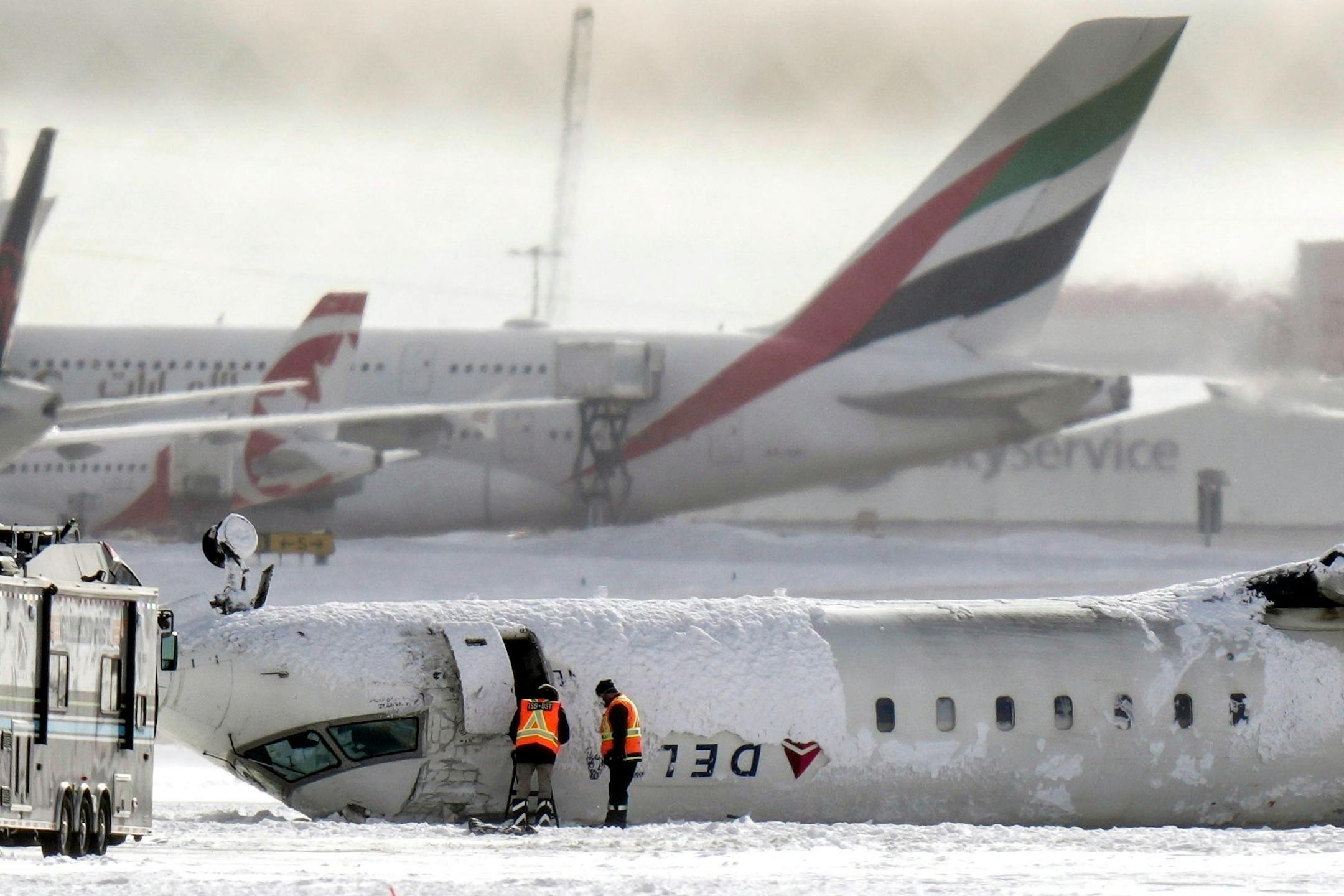
Carleton, who lives in Blaine, is one of the 76 passengers who was aboard the CRJ-900 commercial jet that left Minneapolis-St. Paul International Airport (MSP) on Feb. 17 and crash-landed on a snowy Toronto runway, where the plane flipped upside down, spewed fuel and caught fire with everyone still inside.

They all survived, though at least 21 were injured in the fiery wreck, which happened when the passenger jet descended too quickly and part of the landing gear failed. The exact cause remains under investigation by Canada’s Transportation Safety Board.

In the months since, more than two dozen passengers including Carleton have sued Delta Air Lines, the dominant passenger carrier at MSP, and its wholly owned Minneapolis-based subsidiary Endeavor Air, which operated the flight that day.

Delta offered each passenger $30,000 in “no strings attached” assistance and other support in the aftermath of the crash. The airline has remained quiet as the official investigation is ongoing and lawsuits against it are pending.
However, Delta has defended its pilots against what the airline said were falsehoods about training failures of the captain and first officer, saying both were qualified and certified by the Federal Aviation Administration. The airline is also defending itself in court from similar allegations.

A Delta Air Lines plane lies upside down at Toronto Pearson Airport on Tuesday, Feb. 18. (Chris Young/The Associated Press)

All the plaintiffs claim the event caused mental injuries that continue to impinge on their daily lives.

Carleton and his attorneys declined to speak about any specific mental health diagnosis. Symptoms he described are textbook examples of the traumas mental health experts say can, in some cases, develop into serious problems like post-traumatic stress disorder (PTSD).

Between 5% and 10% of those faced with a traumatic episode like a plane crash will develop “full blown” PTSD, said Patricia Frazier, a University of Minnesota psychology professor and director of the U’s Stress and Trauma Lab in Minneapolis.

Others may only experience certain symptoms, like involuntary recall of memories or changes in mood and behavior.

Recent research has shown a person’s worldview, and whether they have a broad definition of what amounts to trauma, may influence how at risk someone is to developing PTSD.

“If you see the world in terms of ‘everything’s a trauma,’ the more upset you are by things that happen to you,” Frazier said.

Carleton avoids news stories about plane crashes, including the one he was in. It took him three weeks to read the 18-page preliminary investigation report authorities in Canada issued in March. He does not look at pictures or videos from that day.

But memories of the crash still pop up.

Car wash brushes smacking the roof of his wife’s Prius recently reminded him of sliding along the runway, upside down.

Filling up at a gas station with strong odors made him think of being covered in jet fuel, breathing in the fumes.

On a lengthy train ride this spring from Minneapolis to the West Coast with his wife, Carolynn, to visit their adult kids, Carleton fretted that the train car might flip over.

He has flown commercially twice since the crash — once for a business trip, a second time for a family emergency in Montreal, where Carleton grew up.

Along with troubling memories and occasional nightmares about fire, Carleton said he has experienced hearing loss, difficulty concentrating and a change in his speech.

His voice dropped so low that his family members, close friends and the Siri assistant on his iPhone no longer recognized it. A speech therapist identified as the cause muscle tension dysphonia, which happens when the muscles in the throat tighten and constrain the voice box, Carleton said.

Last month Vanessa Miles, an Endeavor Air employee, became one of the latest to sue Delta over the crash. She said she was “deadheading” — airline lingo for an employee who is present on a flight, but not working — when the jet crashed and she lost consciousness.

Miles awoke to find herself covered in jet fuel, according to the lawsuit she filed. The airplane exploded after she reached safety. She and three other flight attendants on the airplane received an award for heroism in April, recognized for their actions to help passengers and fellow crewmembers escape.

Michael Morse, an attorney representing Miles, said his client is still recovering after being seriously injured. Six months later, he said, she is still “distraught” and remains on leave from the airline.

“This really ruined her life,” Morse said.

As Carleton looks toward retirement, he said his dreams of traveling have been postponed. Plans for celebrating his 40th wedding anniversary with his wife are also on hold.

He is working to overcome new challenges, and said he simply wants “to get my life back as best as I can.”

“We all were very, very blessed and lucky to walk away from that,” he added. “It could’ve been a lot different.”

about the writer

about the writer

Bill Lukitsch

Reporter

Bill Lukitsch is a business reporter for the Star Tribune.

See Moreicon

More from Business

See More
card image
Evan Ramstad/The Minnesota Star Tribune

DigiKey seven years ago made a huge bet on staying in Thief River Falls. It built the state’s largest building, adopted new processes and sees no limits to its opportunities.

card image
Berkshire Hathaway Chairman and CEO Warren Buffett, left, and Vice Chairman Charlie Munger, briefly chat with reporters Friday, May 3, 2019, one day before Berkshire Hathaway's annual shareholders meeting. An estimated 40,000 people are expected in town for the event, where Buffett and Munger preside over the meeting and spend hours answering questions. (AP Photo/Nati Harnik) ORG XMIT: NENH1