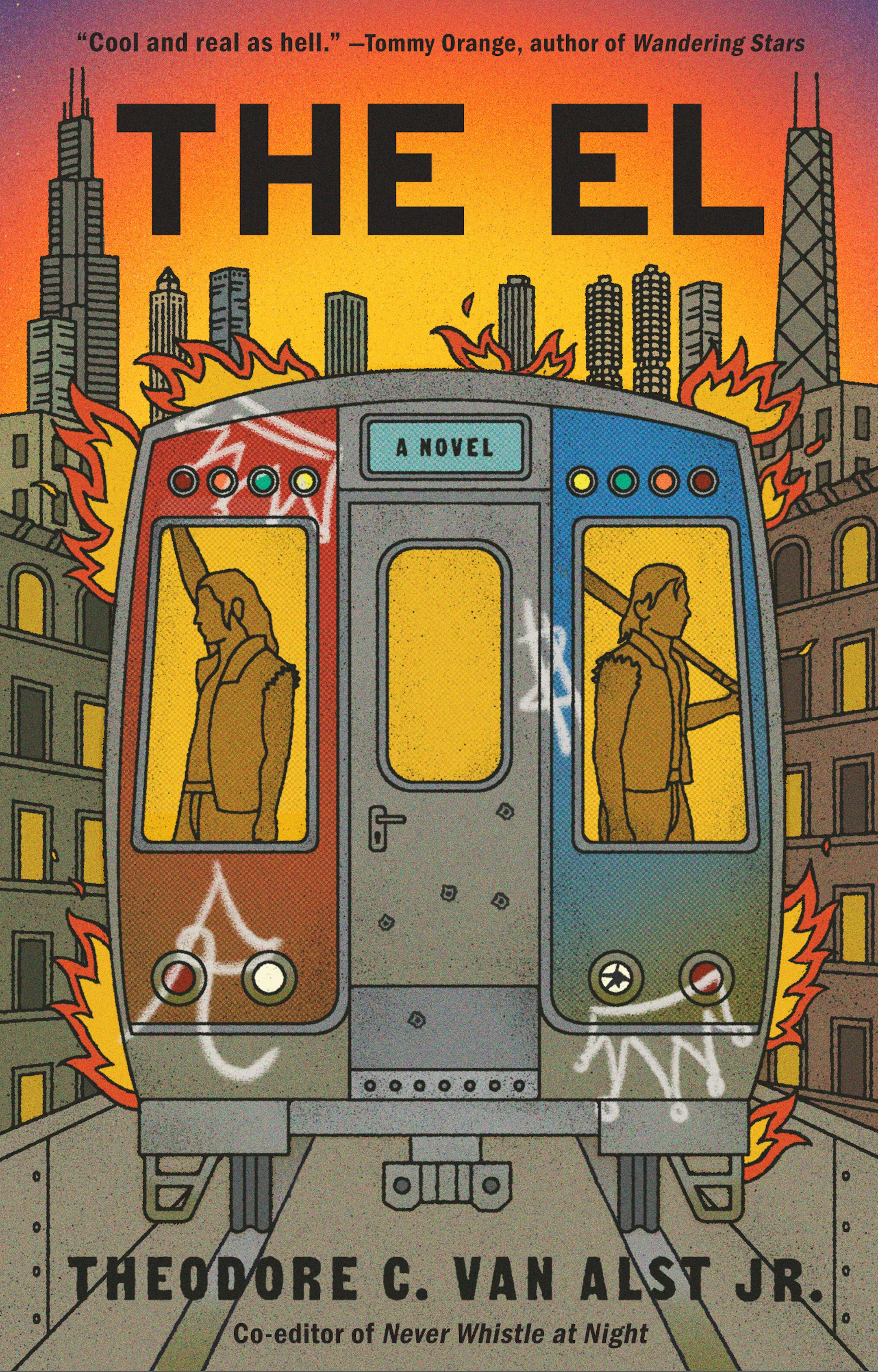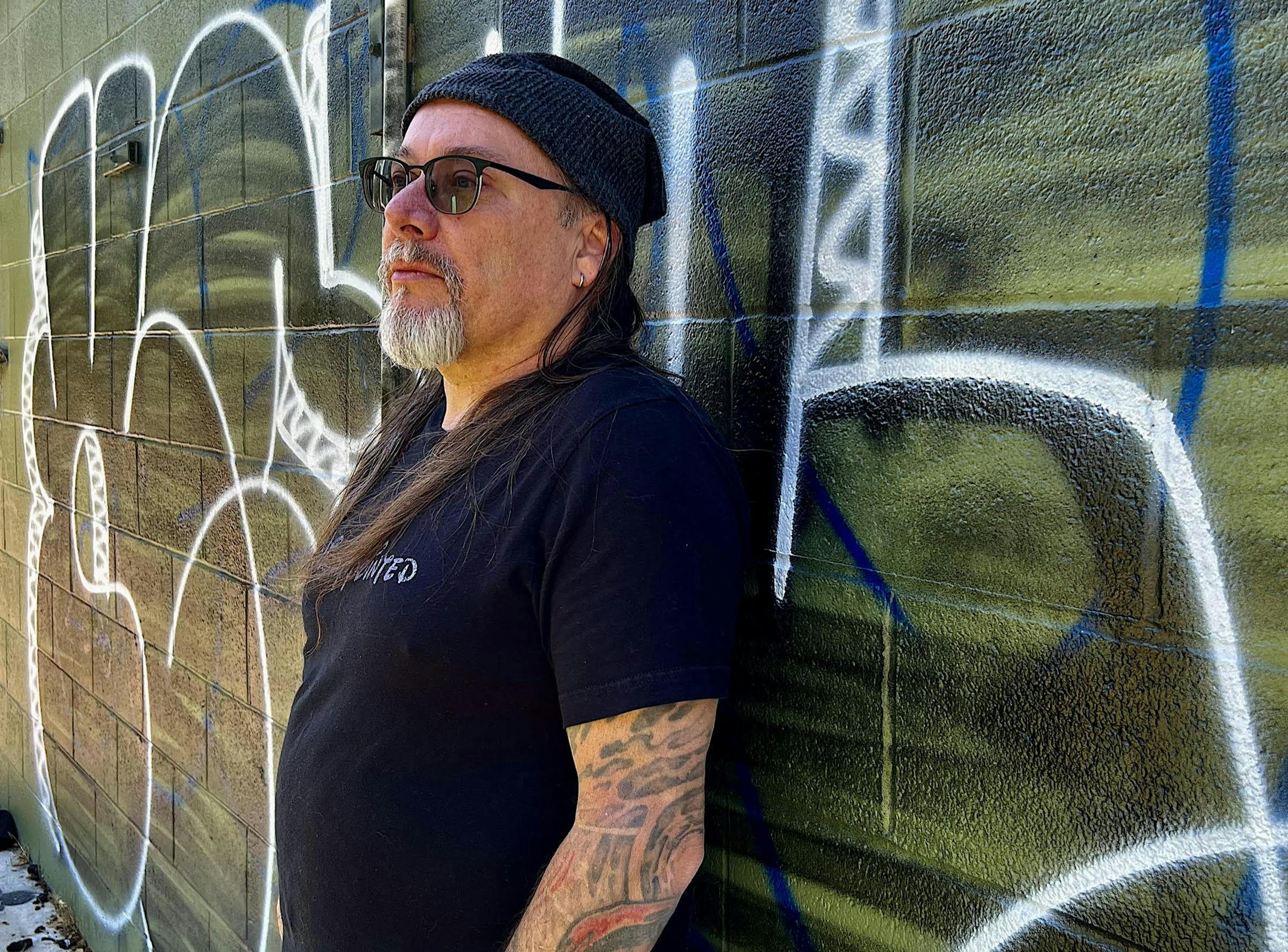
Theodore C. Van Alst Jr.’s “The El” follows several members of a Chicago street gang as they traverse the city via the elevated train system that gives the novel its name. But while the story is loosely inspired by 1979’s “The Warriors,” a cult classic film set in New York City, this novel and the man who wrote it are distinctively — and proudly — Chicagoan.
More than a dozen members of the Simon City Royals narrate the novel, but the predominant voice belongs to Teddy, who, like Van Alst himself, is part of the Mackinac Bands of Chippewa and Ottawa Indians.
Teddy only recently completed his freshman year in high school (on the second try), but must guide his “set” of fellow Royals from their home turf in Rogers Park, on the city’s northern edge, to a meeting on the northwest side. It’s a meeting intended to unite the myriad subsets of Folks Nation, one of Chicago’s two opposing factions, which Teddy likens to Los Angeles’s notorious Crips and Bloods.
Teddy has risen to the Royals’ top ranks, but is determined to have a future beyond the gang. He loves books and carries a copy of legendary columnist Mike Royko’s “Boss,” the seminal piece of reportage documenting the rise and reign of Mayor Richard J. Daley’s political machine.
The other Royals highlight not just the gang’s ethnic diversity of white, brown and Black kids, but its motivational variations, with some members looking for camaraderie, guys to “hang out, get high, drink beers” with, while others hope the group’s activities expand into “girls and cocaine and whatnot.”
Wrangling a group of nearly 30 young men, Teddy at times takes on the role of chaperone, handing out public transport tokens and ensuring everyone gets on or off the train. These quieter, quotidian moments of guys hanging out are what “The El” is really about.
Yes, there are fights, but they feel primarily intended to demonstrate that not everyone is in it for the violence. There are guns, too, but 1979 was a very different era, “right before everyone was packing and ready to blaze at the drop of a hat every time, when we still humbugged pretty regularly, getting down in old school … rumbles.”
Arguably the novel’s second most significant character is the Native American mythological figure Coyote, introduced as part of a trio the Royals pray to “equally” depending on the situation: “Jesus, Coyote, Al Capone.”