

Last month, after a jury found former Minneapolis police officer Derek Chauvin guilty in the murder of George Floyd, Target CEO Brian Cornell sent a note to employees.
"I know this trial cannot erase the pain that comes from years of inequalities and inequities," Cornell wrote. "What I want to offer today is my promise that we as a company will continue to use our values and actions to advance empathy and understanding and to confront individual bias and systemic racism."
Diversity and inclusion have become a top focus for many corporations — and more so in the past year since Floyd's death sparked outcry and discussions about racial equity worldwide. Target has become one of the most visible Fortune 500 companies to speak out.
"We've had a commitment to diversity and equity and inclusion for a number of years now," Cornell said in a recent virtual Q&A with the Economic Club of Chicago. "But certainly over the last year, we've all spent more time listening and learning, educating ourselves, and determining what actions we need to take to be true leaders in this space."
After Floyd's death last May, Target established the Racial Equity Action and Change (REACH) committee made up of company leaders that focused on an array of areas to not only empower its Black employees but also to support Black communities and help Black customers feel more welcomed.
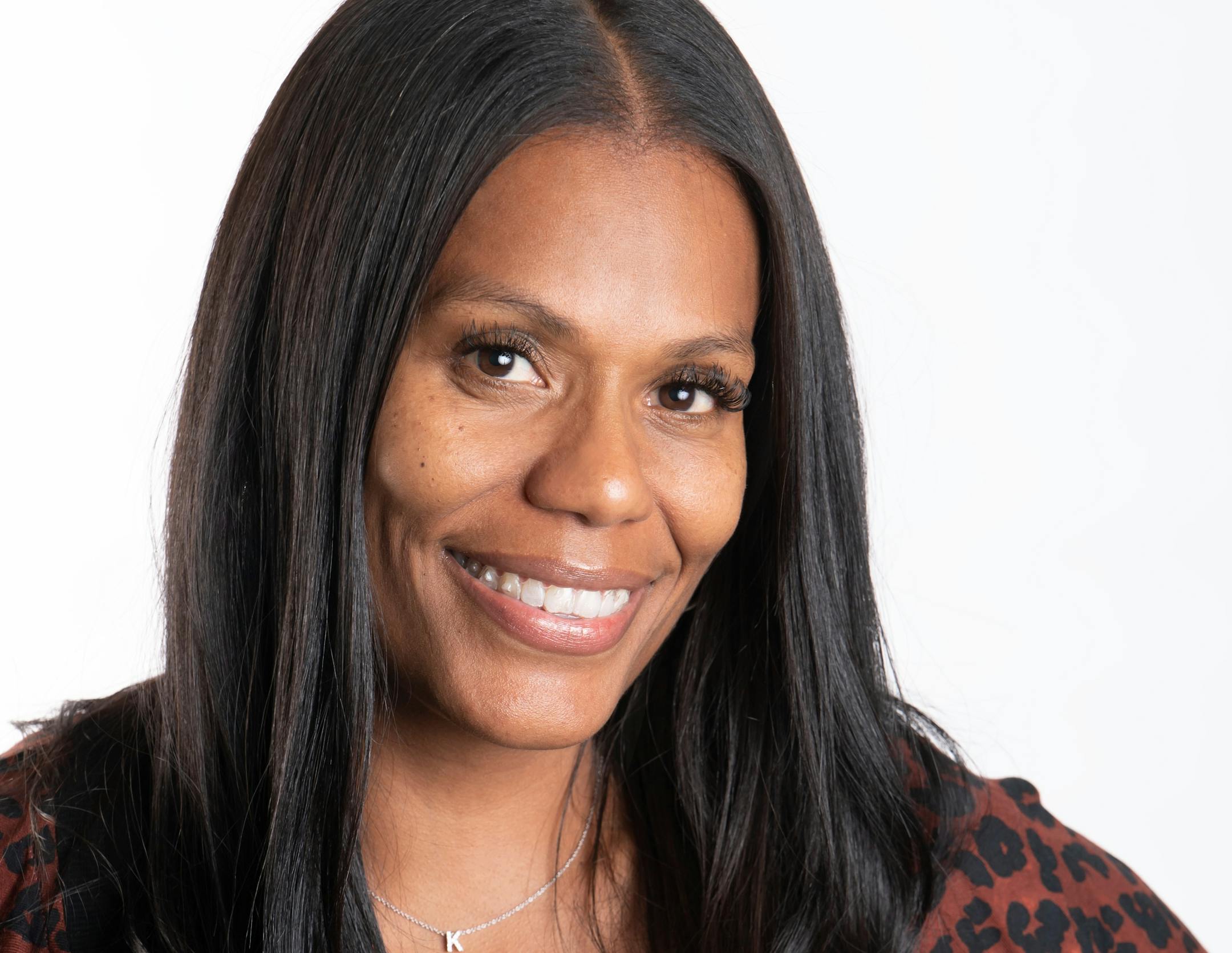
"We have an opportunity here in the Twin Cities to demonstrate to the rest of this country this is how you bridge community," said Kiera Fernandez, Target's chief diversity and inclusion officer and senior vice president of talent and change, in a recent interview.
"This is what it looks like to stand for diversity and equity and inclusion and have this representative workforce and partners and companies and CEOs and leaders that say, 'We stand for the value of inclusion and we believe that the Twin Cities, Minneapolis-St. Paul, can have a special place in history for being the change that we want to see.'"
Riots following Floyd's death left parts of the Twin Cities heavily damaged. Afterward, Target pledged $10 million to social justice organizations such as the National Urban League. The Minneapolis-based retailer also gave $1 million in grants for small-business recovery and rebuilding through the Target Foundation supporting organizations such as African Economic Development Solutions and the Latino Economic Development Center.


