

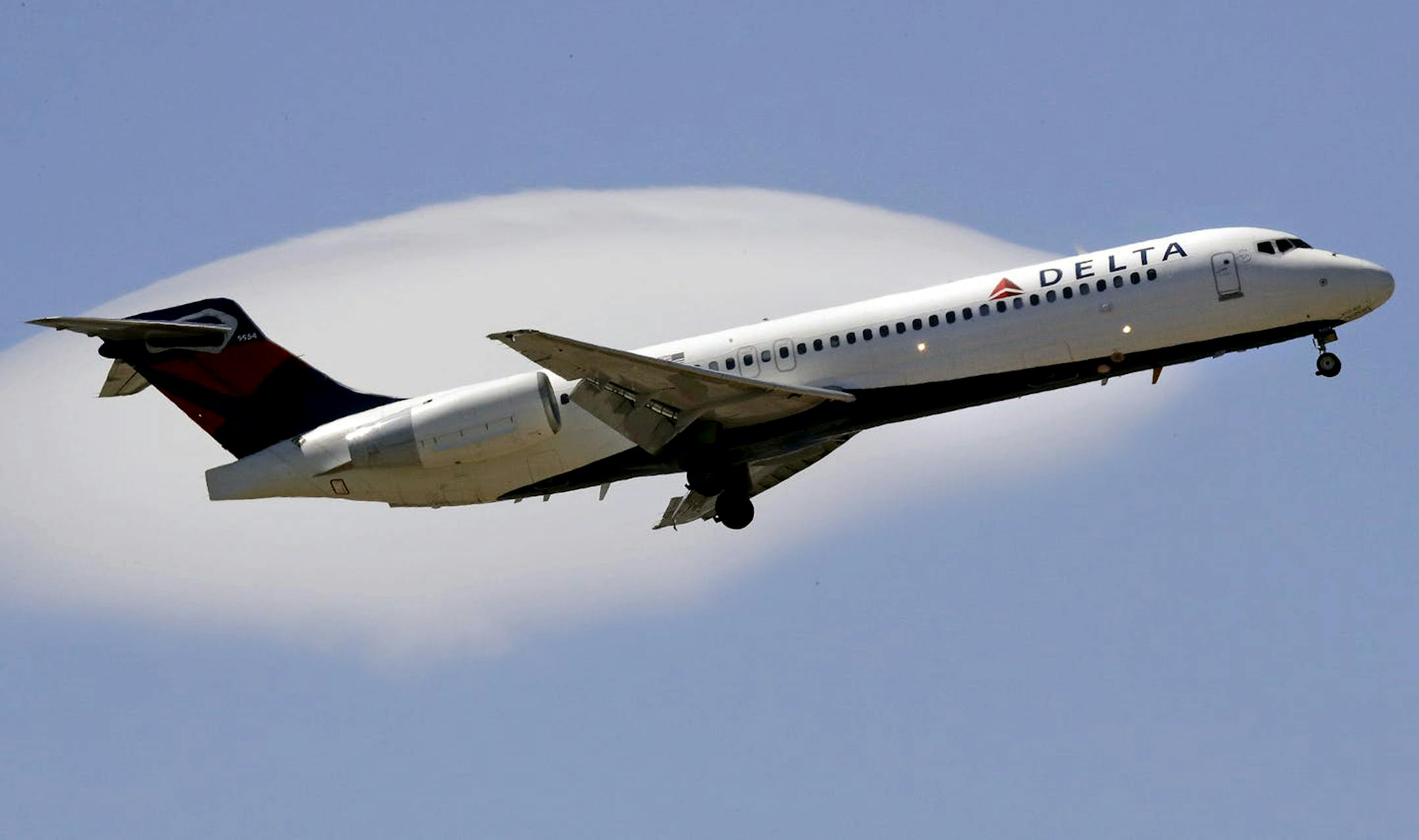
For most airline passengers, rumbles and shakes at 37,000 feet might jolt nerves or spill a drink.
But a Delta Air Lines flight that made an emergency landing at Minneapolis-St. Paul International Airport late Wednesday offers a lesson in the real dangers of severe turbulence. While U.S. airlines boast a consistent safety record, rough air is the leading cause of injury on commercial passenger flights.
Serious injuries remain rare, and fatalities rarer still, but aviation experts say that is thanks to the detailed safety systems in place, allowing airlines to chart flightpaths that avoid storms and keep pilots aware of hazards along their routes.
But airspace is getting more crowded. And as a shifting climate brings hotter and more extreme weather, particularly during the summer, safe navigation of the skies becomes more challenging.
“The weather environment now is more dynamic. It is more unforeseeable and we are having more severe weather events,” said Mike Slack, a Texas pilot and aviation attorney. “All this translates to more risks for flyers.”
Greg Feith, a pilot and former National Transportation Safety Board investigator, said climate change is leading to warmer temperatures that create more updrafts and higher humidity. In the summer, passengers need to brace for more weather issues.
Federal agencies like the National Oceanic and Atmospheric Administration do “an extremely good job” with aviation weather forecasts, Feith said, though there is concern that federal funding cutbacks may hamper strong modeling. Then there is the invisible “clear-air” turbulence.
“Those are the hard things with climate change,” Feith said. “We’re going to have to do a better job with better tools to try and help pilots avoid these areas.”


