
Tenants’ lawyers: St. Paul rent control process ignores maintenance problems

Attorneys say complaints of mold, broken windows and inadequate heat are not considered in rent increase hearings on older buildings.

The Minnesota Star Tribune
September 6, 2025 at 11:00AM
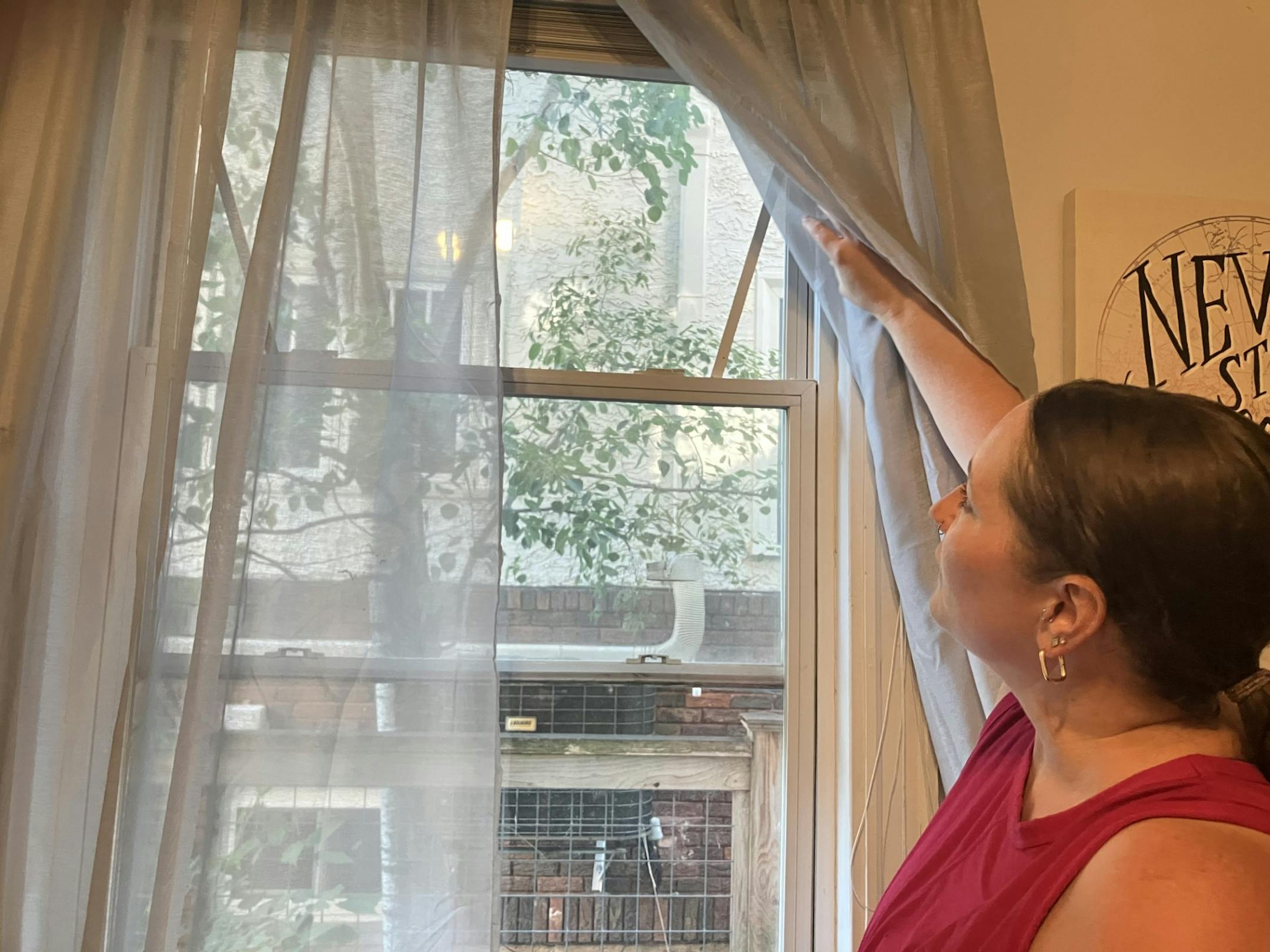
Jessica Skaare shows a window in her St. Paul apartment that won't stay closed. (Josie Albertson-Grove/The Minnesota Star Tribune)

A ground floor window that won’t close. A back stair that wobbles too much for comfort. Cracks in the walls that grow every year. Mold in the basement laundry room.

Jessica Skaare has been watching these problems pile up at her apartment in St. Paul’s Summit-University neighborhood for almost a decade.

When the rent was low, they were just the kinds of things that came with the territory. But now her landlord is seeking permission to raise her rent by more than 25% to make those long-needed repairs on the building. The sudden increase is more than Skaare, a social worker, can comfortably afford — and well beyond the 3% limit that is supposed to apply to older buildings subject to rent control.

This is the other side of St. Paul’s controversial rent stabilization ordinance. While public debate for the last two years has focused on how to kick-start new construction by exempting newer buildings from rent control, landlords who own older buildings, which are supposed to be ruled by rent control, are routinely given exemptions.

Skaare’s neighbors are worried about rising rent, too. While he’s paying $875 per month for his two-bedroom unit in the desirable neighborhood, Vincent Cornell, a roofer, has been able to stomach the conditions in his basement home. The holes in the wood floor he has covered with duct tape. The rotting window frames. The mold on the wall outside his children’s bedroom.
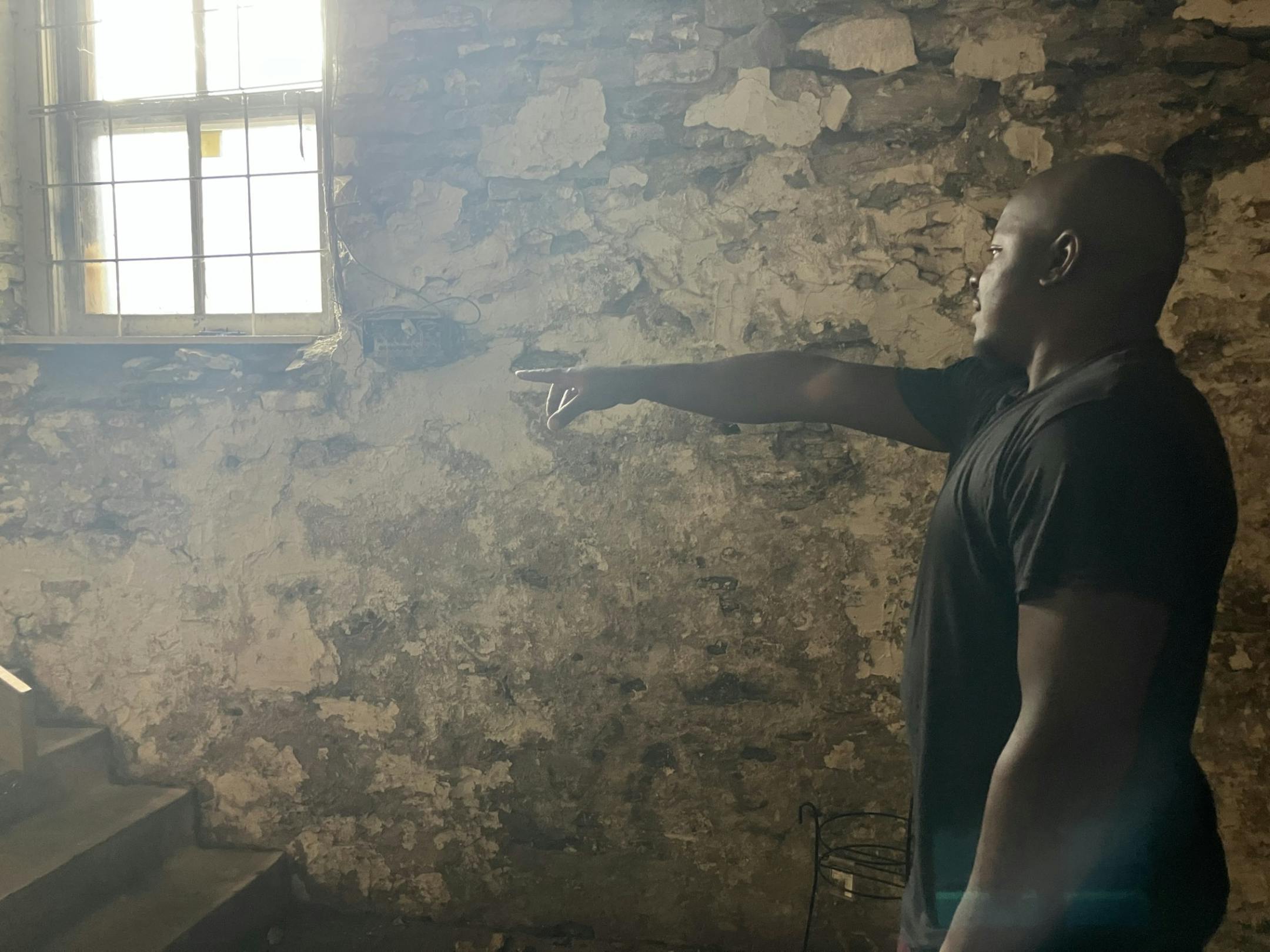
Vincent Cornell shows deterioration in a wall in the basement of the St. Paul apartment building where he lives. (Josie Albertson-Grove/The Minnesota Star Tribune)

But now, squeezed between poor conditions and a rent increase of hundreds of dollars per month with no guarantee the problems will be fixed, Cornell is also looking for a new place.

Affordable no more

Almost every week, a hearing room in St. Paul’s City Hall sees tenants like Cornell and Skaare asking the city to stop landlords from raising rent on deteriorating apartments.

In July, several of their neighbors testified to hazards and disrepair in their apartments as they objected to rent hikes between 28% and 50%. Their landlord said the increases were needed to pay for long-neglected repairs while still profiting from the buildings.

In these hearings, renters often note mold, electrical problems, cracking walls and crumbling foundations.

Landlords counter that their costs are rising.

St. Paul almost always grants requests for rent increases, said Abbie Hanson, an attorney with the Housing Justice Center who has represented many tenants in St. Paul.

From there, it’s up to tenants to appeal. They have to file paperwork, pay a fee, attend a hearing on a weekday afternoon, and then wait months for a finding.

Older buildings are supposed to be subject to the 3% limit on rent increases, meant to keep those apartments affordable for St. Paulites of modest means.

Sometimes termed “naturally occurring affordable housing,” older apartments without modern amenities like central air conditioning or elevators have historically been within reach of renters with lower incomes and those looking to save up to buy homes of their own.

Still, St. Paul grants thousands of rent increases every year above the 3% cap.

City data shows that just a handful of large landlords are responsible for the vast majority of those rent hikes, but property owners who control just a few buildings also appeal to the city to raise rents above the 3% cap.

Hanson and her colleagues are working on cases probing the intersection of St. Paul’s rent stabilization ordinance and its guarantees of a reasonable profit for landlords, and a decades-old state law requiring rental apartments meet some minimum safety standards, know as “habitability.”

In another case where a landlord was granted a rent increase, renters could not adequately heat their apartments. Hanson and the tenants appealed the ruling to the state Court of Appeals.

St. Paul officials cited that lawsuit in declining to comment on rent stabilization appeals in general.

Profit vs. habitability

The rent control law guarantees landlords a profit rate, but it also demands landlords meet habitability standards outlined in state law.

“The ordinance uses that as a barometer that landlords have to meet to quality for a rent increase,” Hanson said. But too often, she said, St. Paul grants rent increases to landlords who have not maintained their buildings to those standards.

St. Paul’s rent control ordinance is supposed to use the state habitability standard as a consideration when deciding whether a landlord can raise rent above the 3% cap.

“If they want to deviate from the norm, that is, this 3% rent cap, they should be ensuring they should comply with these standard health and housing laws that have been in place for decades,” Hanson said.

about the writer

about the writer

Josie Albertson-Grove

Reporter

Josie Albertson-Grove covers politics and government for the Star Tribune.

See Moreicon

More from St. Paul

See More
.
Tony Cenicola/The New York Times

A Ramsey County jury found Johnson & Johnson products exposed her to asbestos and caused her to develop mesothelioma.

card image
card image