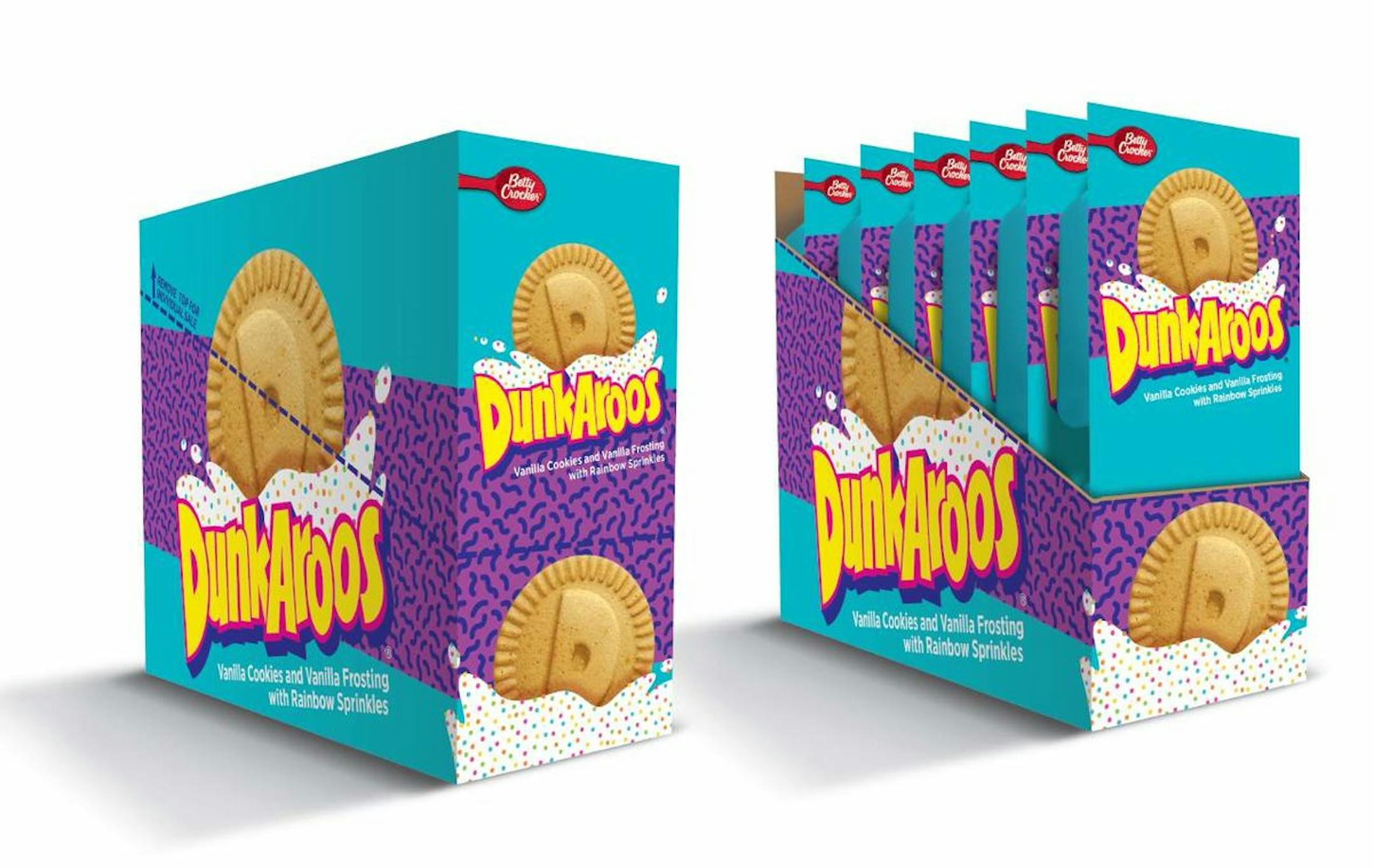
A good way to feel old is to have a major food company reintroduce a "nostalgia" product like Dunkaroos that you didn't know about when it was a hit.
This snack produced by General Mills was popular in the 1990s, so they must have been selling them in my neighborhood grocery.
A lot has changed since then, of course, as consumers increasingly want fresh and natural foods without a lot of sugar. So why would General Mills reboot a graham cookie dunked in sugary, sprinkled frosting?
In looking into this, though, maybe General Mills really knows what it's doing. After all, the job of a business executive is to offer products the customers want, and for the moment General Mills has good reason to think Americans really want Dunkaroos.
One part of the story is easy to grasp: the appeal of a product that some of us fondly remember from the old days. "Brands live in our neurons," explained Dan Wallace, now on the faculty of the University of Wisconsin-La Crosse and a longtime marketing consultant and author here in the Twin Cities.
He seemed to later regret even bringing up this concept because it sounds too deep-in-the-weeds. All he really meant is that good experiences with a brand or product create memories that can hang around in our brains, even if we haven't had a conscious thought about them in a long time.
That means it's easier to get the consumer's attention when a product makes a return. That's similar to the thinking behind launching new products under popular brands, because if consumers really liked the mac & cheese they will probably at least try a canned soup with the same brand.
Kellogg Co. is one of the firms that's famously proved it's possible to drive that idea into the ground. It has stretched the Kashi brand, which started with the tagline "Seven whole grains on a mission," to cover all sorts of things not even made from grain, whole or otherwise.