
Robbinsdale school board approves another middle school closure

The district is closing a fourth school, the FAIR Crystal magnet program, as officials work on a state-mandated debt plan after discovering a $20 million budgeting error.

The Minnesota Star Tribune
January 6, 2026 at 6:10PM
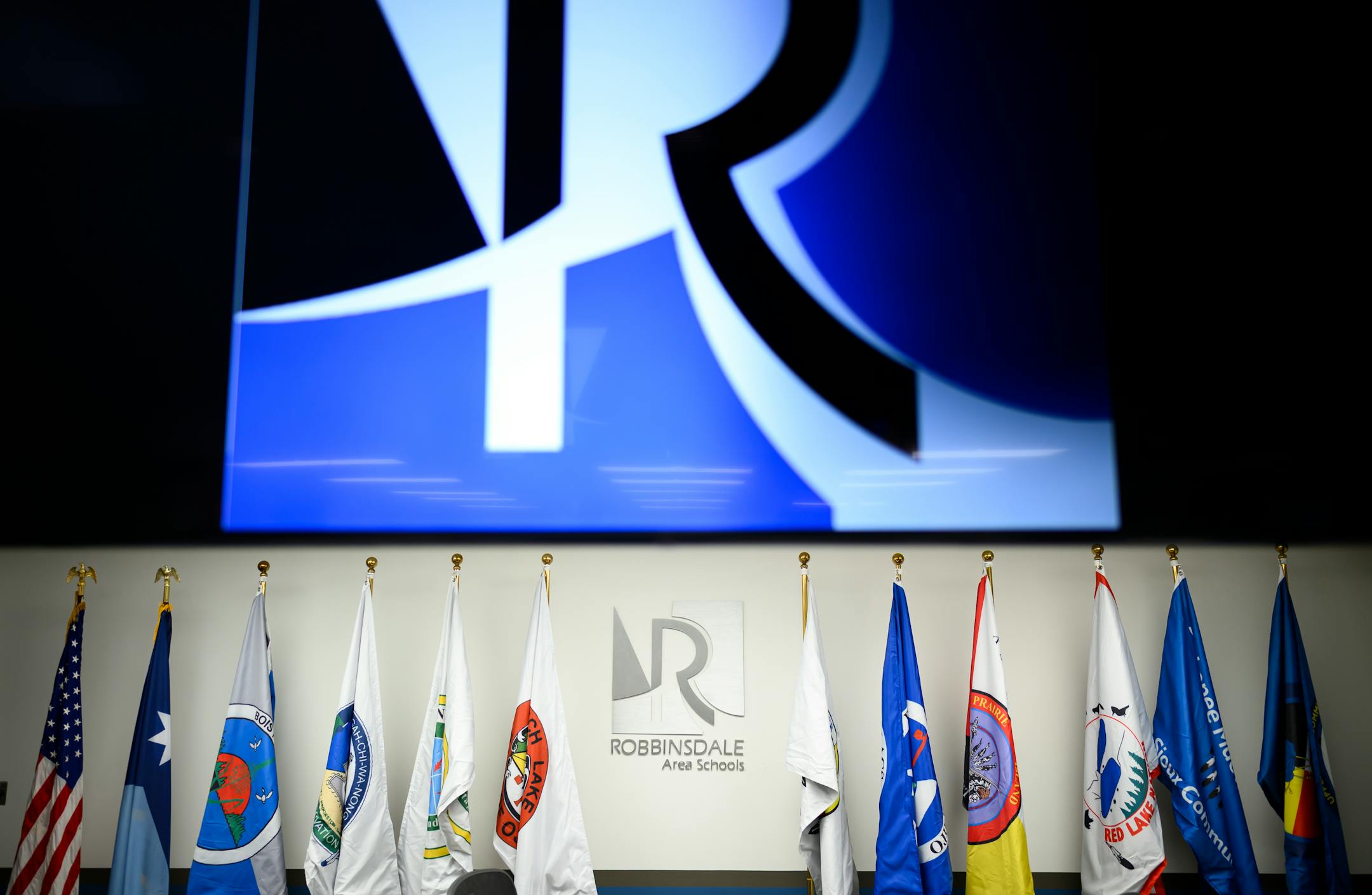
The Robbinsdale school board voted on Jan. 5 to close FAIR School Crystal next year. The board previously voted to close three other schools in the district as part of a plan to address a huge budget shortfall. (Aaron Lavinsky/The Minnesota Star Tribune)

In a contentious decision, the Robbinsdale school board voted on Jan. 5 to close a fourth school this year, despite outcry from dozens of families.

That vote comes after the suburban school district decided in December to shut down three other schools and the district headquarters building in New Hope amid worsening budget problems.

Despite discussions of closure, board members voted to keep FAIR Pilgrim Lane Elementary magnet school open. FAIR School Crystal, however, will close as a middle school magnet, moving its roughly 380 students to other middle schools next school year.

The cuts come as part of a state-mandated statutory operating debt plan, triggered after a $20 million budget error worsened Robbinsdale Area Schools’ financial strain amid declining enrollment. The proposed cuts were also shaped by the district’s Vision 2030 planning work, a community-led effort launched last year to map out Robbinsdale’s long-term future.

“These decisions are not easy,” Board Member Aviva Hillenbrand said at the Jan. 5 meeting, emphasizing that the budget error forced the district’s timeline, but that financial pressures are not new nor unique to the district.

The district serves about 10,200 students from Robbinsdale, Crystal and New Hope, as well as parts of Golden Valley, Plymouth, Brooklyn Park and Brooklyn Center.

Districts across the metro area are facing budget deficits, declining enrollment and pressure to downsize their building footprints.

“We’re here because the board members who were here before me kept pushing this decision down the road,” Hillenbrand said.

Under the plan approved Jan. 5, middle school students enrolled in the FAIR Crystal magnet program will go to Plymouth Middle School or Sandburg Middle School. The FAIR Crystal building will be repurposed to house Robbinsdale Virtual Academy and some departments now housed at the district headquarters.

Administrators told board members that FAIR Crystal’s academic offerings are no longer unique within the district. Supporters of the program countered that the building’s arts-focused design and theater spaces represent a rare asset that would be costly to replace.

“We are all heartbroken and devastated about the board’s decision to close FAIR Crystal,” said Lauren Drewitz, a FAIR Crystal parent who said her eldest son didn’t want to go to school the day after the board vote, knowing he won’t be able to finish middle school there. “At this point we are seriously considering open enrolling out of this dysfunctional district,” she said.

Several board members raised concerns that changes to magnet programming could limit access for students who rely on transportation to attend specialized programs.

District leaders said the changes are intended to expand arts and innovation programming across all middle schools rather than concentrate those opportunities at a single site. In a written summary released after the meeting, the district said it plans to implement Spanish immersion programming and expand theater programming at both Plymouth and Sandburg middle schools.

District officials said both votes are tied to the district’s statutory operating debt status, which was confirmed after auditors completed the district’s annual audit in November.

Chief Financial Officer Kristen Hoheisel told board members that the district’s deficit is roughly $11 million — far above the threshold that triggers state oversight — and warned that failing to submit a balanced plan by Jan. 31 could have serious consequences.

“If a plan is not submitted with a balanced budget — bare minimum — we run the risk of losing state aid,” Hoheisel said. “That means now we’ve just exacerbated what we’re currently trying to work through.”

The district has already approved school closures and consolidations as part of its broader recovery effort, including the closures of Noble and Sonnesyn elementary schools and Robbinsdale Middle School next school year.

The Jan. 5 meeting stretched more than three hours and was repeatedly interrupted by audience members opposed to additional school closures, prompting the board chair to call for order and recess the meeting several times.

“This is not time for public comment,” said Greta Evans-Becker, who was chosen to remain board chair at the start of the meeting. “I would prefer for the adults in the room to be adults.”

During the meeting, Superintendent Teri Staloch also condemned what she described as “false and defamatory” personal attacks against Hoheisel related to the district’s 2024 bond sale. She urged the community to keep disagreements focused on policy rather than individuals, and pushed back against accusations that the administration lacked transparency in the process leading up to the school closures.

The meeting also included the swearing-in of new board member DJ (Richard) Brynteson to fill a vacant seat. Brynteson has coached Robbinsdale debate for more than 20 years. He will serve the remainder of former board member Kim Holmes’ term, which runs through December 2026.

The board’s next meeting will be a study session on Jan. 12, focused on further discussion of the statutory operating debt plan. The next business meeting is scheduled for Jan. 20, when board members are expected to vote on and formally approve the plan before it is submitted to the state by the Jan. 31 deadline.

about the writer

about the writer

Mara Klecker

Reporter

Mara Klecker covers suburban K-12 education for the Star Tribune.

See Moreicon

More from Twin Cities Suburbs

See More
card image
card image