

•••
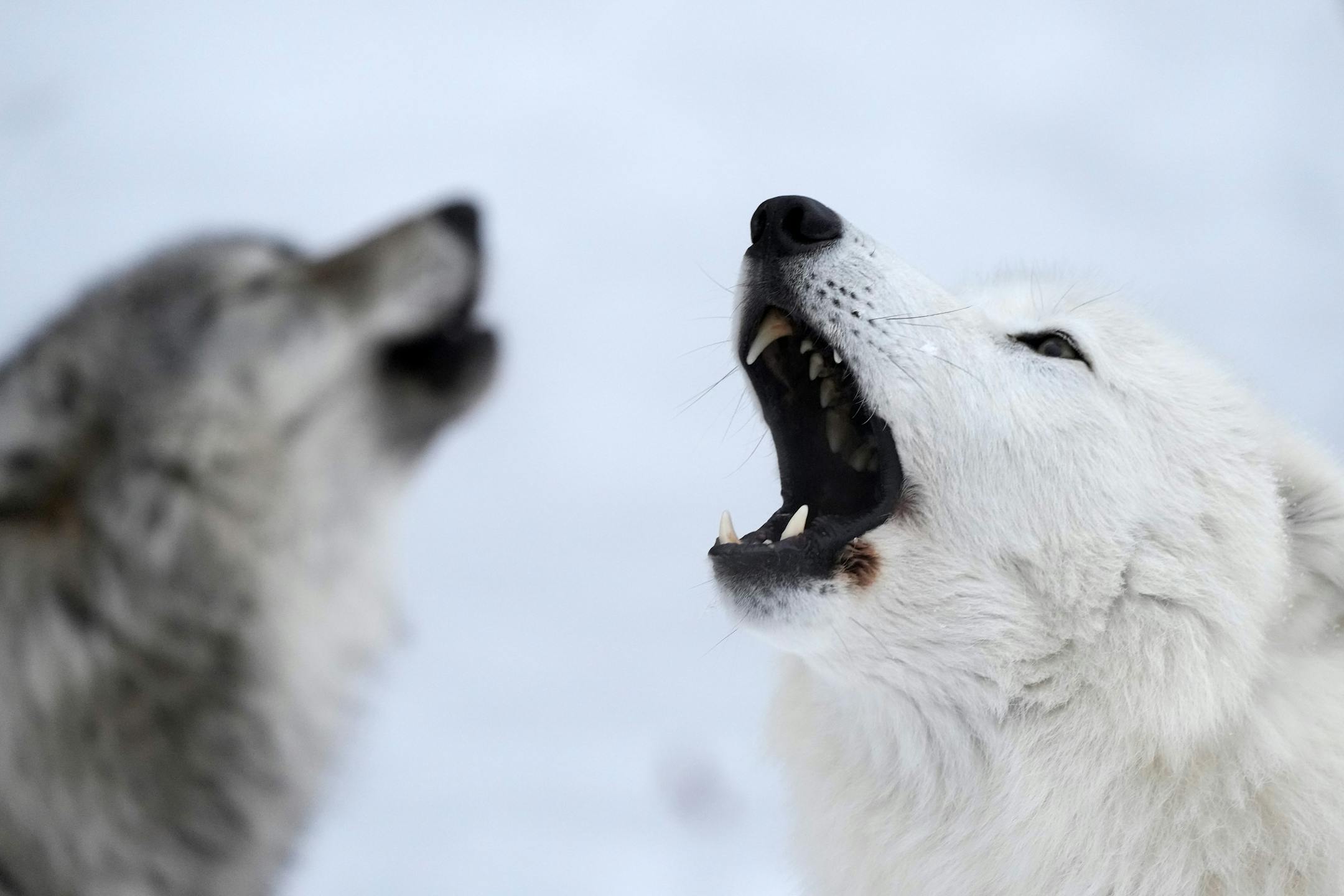
It’s encouraging to read about how Minnesotans are successfully coexisting with wolves, but that coverage must also include all the relevant information (“Wolf conflicts down in Minnesota after 2024 spike,” Feb. 10). When noting that an Orr cattle rancher had “struggled with wolves for years,” the story should have added that the same rancher didn’t have a single wolf conflict after researchers, state and federal agencies and nonprofit groups provided him with good fencing. This tracks with a growing body of research demonstrating that these nonlethal deterrents are the best way to reduce the already low number of conflicts that occur in wolf range.
Demands for delisting and for the cruel trophy hunting and recreational trapping of wolves are not based on science. Research finds that killing wolves has no effect in the long term on populations of deer, elk and moose and reaffirms that weather, disease and habitat loss all play a much greater role in regulating population sizes. As top carnivores, wolves do not need their numbers artificially reduced through recreational killing, as they are naturally regulated by prey and habitat availability and their own territorial and social nature. Polls also find that Minnesotans support wolf recovery and oppose their reckless killing for trophies or sport.
It’s important for Minnesotans to be fully informed of these facts when talking with the federal and state lawmakers whose decisions are so consequential for our treasured wolves.
Steven Pope, St. Paul
MINING NEAR THE BWCA
The facts don’t add up
Many concerned and commonsense voices have expressed warnings of environmental destruction if copper mining ever takes place in the watershed of the Boundary Waters Canoe Area Wilderness in northeastern Minnesota (“The House betrayed the BWCA. Will the Senate do the same?” Strib Voices, Feb. 10). Others counter this assertion with the promise of good-paying jobs and a boost in the area’s economy.
But an operating mine has a short life span. If promoters in the Trump administration have their way, environmentalists and business owners who rely on the tourist industry for a living will ultimately be left in the lurch when the valuable minerals are exhausted, the mine is closed and the surrounding air and waters are saturated with chemicals. Then say goodbye to the luxury of unspoiled camping, fishing, swimming and canoeing.


