
Readers Write: Toxic substances, electronics recycling, homelessness, affordability

No one else’s daughter has to die.

The Minnesota Star Tribune
December 14, 2025 at 7:29PM
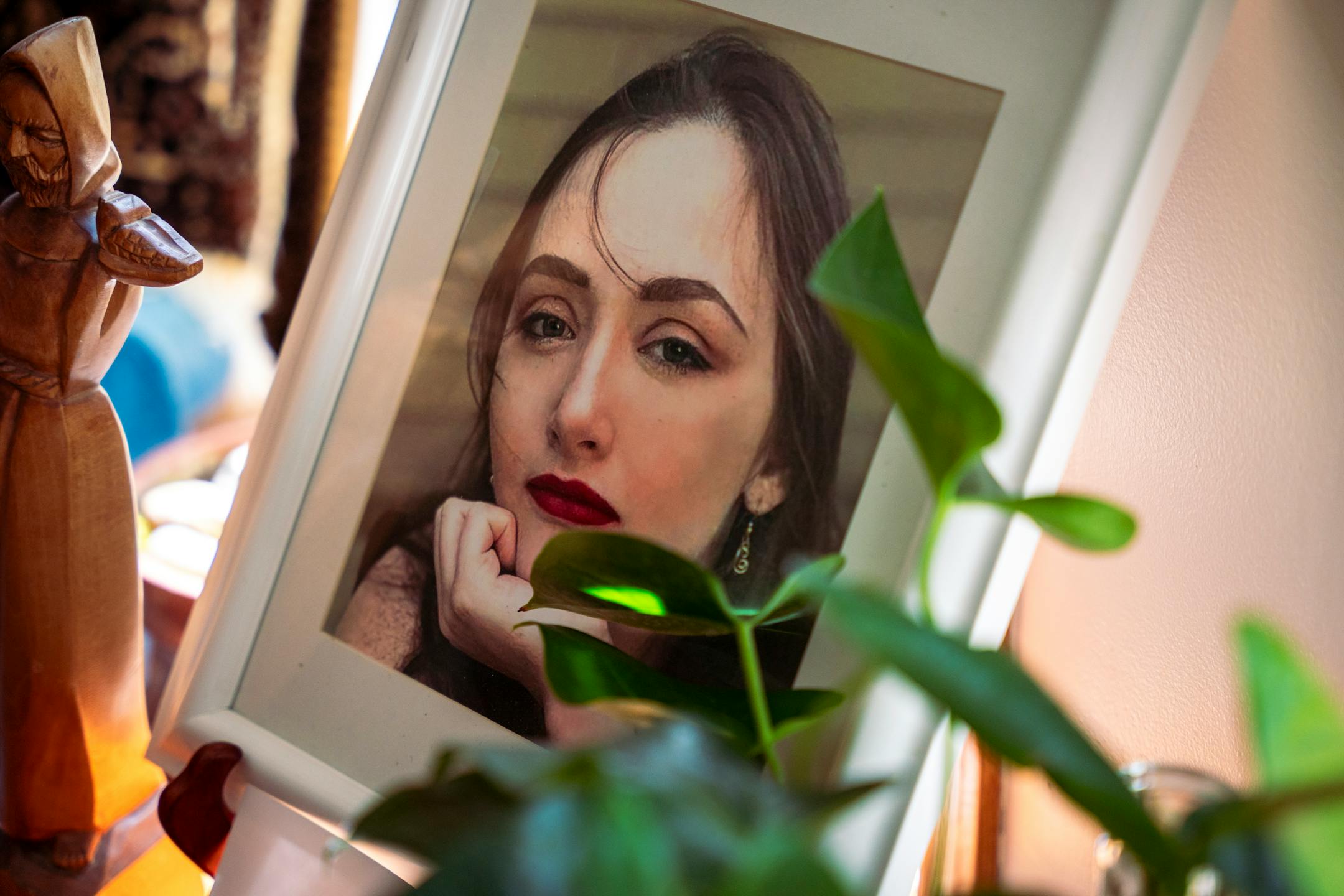
A portrait of the late Amara Strande sits in the the Strande family home on May 17, 2024, in Woodbury. Amara was diagnosed with a rare form of liver cancer at 15 years old and died on April 14, 2023, after five years of battling her illness. She spent her final years advocating for PFAS prevention legislation in Minnesota. (Angelina Katsanis/The Minnesota Star Tribune)

Opinion editor’s note: Strib Voices publishes letters from readers online and in print each day. To contribute, click here.

•••

I am writing not as an expert or a policymaker but as a mother who buried her daughter.

My daughter, Amara, died of a rare and aggressive cancer. She was young. She was creative. She loved fiercely. Like most families, we trusted that the water she drank and the systems meant to protect public health would not quietly harm her. We were wrong.

We believe the chemicals that contributed to her illness were not accidents. They were the result of corporate decisions — made over decades — to innovate, manufacture and profit without adequate regard for human cost. Substances were released into our environment even as evidence of harm accumulated.

What makes this moment especially painful is that, instead of strengthening protections, some lawmakers are now proposing to dismantle them. This January, a bill is expected to be introduced in Congress that would weaken — or even dissolve — the Toxic Substances Control Act of 1976, one of the few federal laws designed to regulate industrial chemicals before they harm the public.

To strip away protections now is to ignore the lessons written in the bodies of our children.

No company should be allowed to externalize its risks onto families. No innovation is worth a child’s life. No profit margin justifies poisoning communities while delaying accountability.

This is not about being anti-business. It is about insisting that innovation and responsibility walk hand in hand. We can demand safer alternatives, stronger oversight and transparency — if we choose to value people over profit.

I live every day with the absence of my daughter. I write so other parents will not have to.

Dana Strande, Woodbury

•••

The article “Tests find manganese in wells near Emily” is a great example for weighing the risks of continuing to dedicate so much effort to mining. The level of magnesium already in the water, as noted in the article, is potentially harmful for children, which is already horrendous. If the mine were to open up, is it truly out of the question that it might, at some point, harm adults? And if so, what is the possible upside? An extra 100 jobs just for the next few decades? Is that really worth the great amount of risk to the water supply? Sure, people nearby can use reverse osmosis systems, which the Minnesota Department of Health has cited to efficiently deal with manganese. But those systems also cost money, with some smaller systems costing around $200 from Home Depot, and bigger systems costing around $2,500 from Crystal Quest. Even then, that isn’t considering costs of replacing the systems in case of damage or rising costs in the future.

Is it truly fair to ask nearby residents to pay for those systems when they were here before the mine?

Tyler Brakemeier, Waconia

RECYCLING

E-waste issues are serious, and growing

I am the volunteer recycling coordinator for the senior cooperative in Minneapolis where I live and agree that the problems in managing electronic waste described in the letter “Polluting practices revealed” (Readers Write, Dec. 11) are serious. Just like we did in shipping plastic waste to China, we are all too ready to “offshore” our e-waste. Our country needs to take the problem seriously by mandating the use of recycled materials in the devices we depend on and assuring that the recyclers are treated with care, dignity and a fair wage. We could start by adding a “disposal fee” to the cost of every device, like we did for paints and finishes some years ago.

We also need to make disposal easy: Many of the seniors I live with drive only locally or not at all. They can’t or won’t drive to a county recycling drop-off or a suburban big box store when their phone or computer breaks. Like so many products that we have come to depend on, we need to acknowledge the external costs of ownership (exploitative labor practices and pollution of our air, water and land) and develop an economy that minimizes these abuses.

Jonathan Riehle, Minneapolis

HOMELESS ENCAMPMENTS

It’s not humane to put off safe shelter

While it may seem humane at first glance to provide basic necessities to encampments (“Minneapolis City Council OKs homeless encampment plan requiring bathrooms, fire extinguishers,” StarTribune.com, Dec. 11), this will only increase the false sense of security of residents at potentially dangerous camps and deter them from seeking more permanent housing solutions. According to the American Public Health Association, the community that encampments offer can provide a sense of safety to inhabitants — but this is often a misguided belief. For example, Minneapolis experienced two mass shootings at encampments in September that injured over a dozen people and killed one, signs that some camps are becoming increasingly violent.

Since encampments on public property are currently illegal in the city of Minneapolis, residents will face eviction at the hands of the police eventually. Therefore, it seems cruel to install bathrooms and waste disposal facilities if residents of homeless encampments will be forced to leave sooner or later, as the article suggests. Furthermore, if the city has the resources to install toilets, naloxone dispensers and trash collection services at encampments, why can’t it use these funds to obtain more shelter space and beds, which at least allows for more people to have a roof over their head? While this isn’t a permanent solution to the homelessness crisis in Minneapolis, it provides people with a warm place to stay during Minnesota’s especially harsh winters while complying with the city’s efforts to end unsheltered homelessness.

Anna Forbord, St. Peter, Minn.

•••

The article “No. 1 problem in downtown is finding where to go No. 2” (Dec. 11) highlights an important issue, the lack of public restrooms in American cities. Minneapolis may be above average for bathrooms per capita, but there is still room for improvement. Access to sanitation is recognized by the United Nations as a basic human right, and having reliable access to a clean, functioning restroom is a large part of that. Restrooms allow for basic hygiene practices that people experiencing homelessness may not be able to accomplish anywhere else. This includes proper waste disposal, hand washing and menstrual hygiene management. A lack of access, as the article notes, forces desperate individuals into relieving themselves in public areas and can strip them of their dignity. A lack of public restrooms contributes to the stress of being homeless and makes it difficult to focus on finding permanent housing.

Additionally, the spread of certain diseases is promoted by a lack of public restrooms. People experiencing homelessness are particularly vulnerable, but these diseases can easily spread to the housed individuals. This has been demonstrated many times, with a 2019 Scientific American article “‘Medieval’ Diseases Flare As Unsanitary Living Conditions Proliferate” calling particular attention to the spread of diseases such as typhus and hepatitis A in unhoused populations in California.

Public restrooms are extremely important for both public and individual health. Minneapolis and other American cities need to recognize the widespread benefits of public restrooms and invest in improving access.

Lila Bohrman, St. Peter, Minn.

AFFORDABILITY

Oh, good, my balance is a hoax, too

Aren’t we all relieved? We just found out that the rising cost of living is just a Democratic hoax (“Launching affordability tour, Trump mocks affordability,” Dec. 11). Think groceries cost more than ever? Hoax. All your insurance premiums going through the roof? Hoax. Can’t afford a home or new car? Hoax. Thanks, President Donald Trump, for helping us get in touch with our inner affluent selves and realize affordability is just a figment of our imagination.

Karl Samp, Brainerd

about the writer

about the writer