Around 1941, my grandmother, Susette, disappeared. Her daughter, my mother, Gerda, had escaped to America with the help of her father, director/cinematographer Karl Freund (“Metropolis,” “The Mummy,” “I Love Lucy,” etc.). We were told that Grandma had died of typhus in Ravensbrück Concentration Camp. Later, we discovered that she was murdered in a so-called “euthanasia center” at the Bernburg Mental Health Sanitarium where the Nazis had set aside the lower level to murder those “unfit to work.”
With the help of a skilled researcher, we were able to fill in many of the gaps, but we couldn’t determine how she got from her “Jewish apartment” initially to Ravensbrück before being transported to Bernburg. It was assumed that she was just picked up off the street. Eventually, we made a film about her fate (lostinberlinthemovie.com).
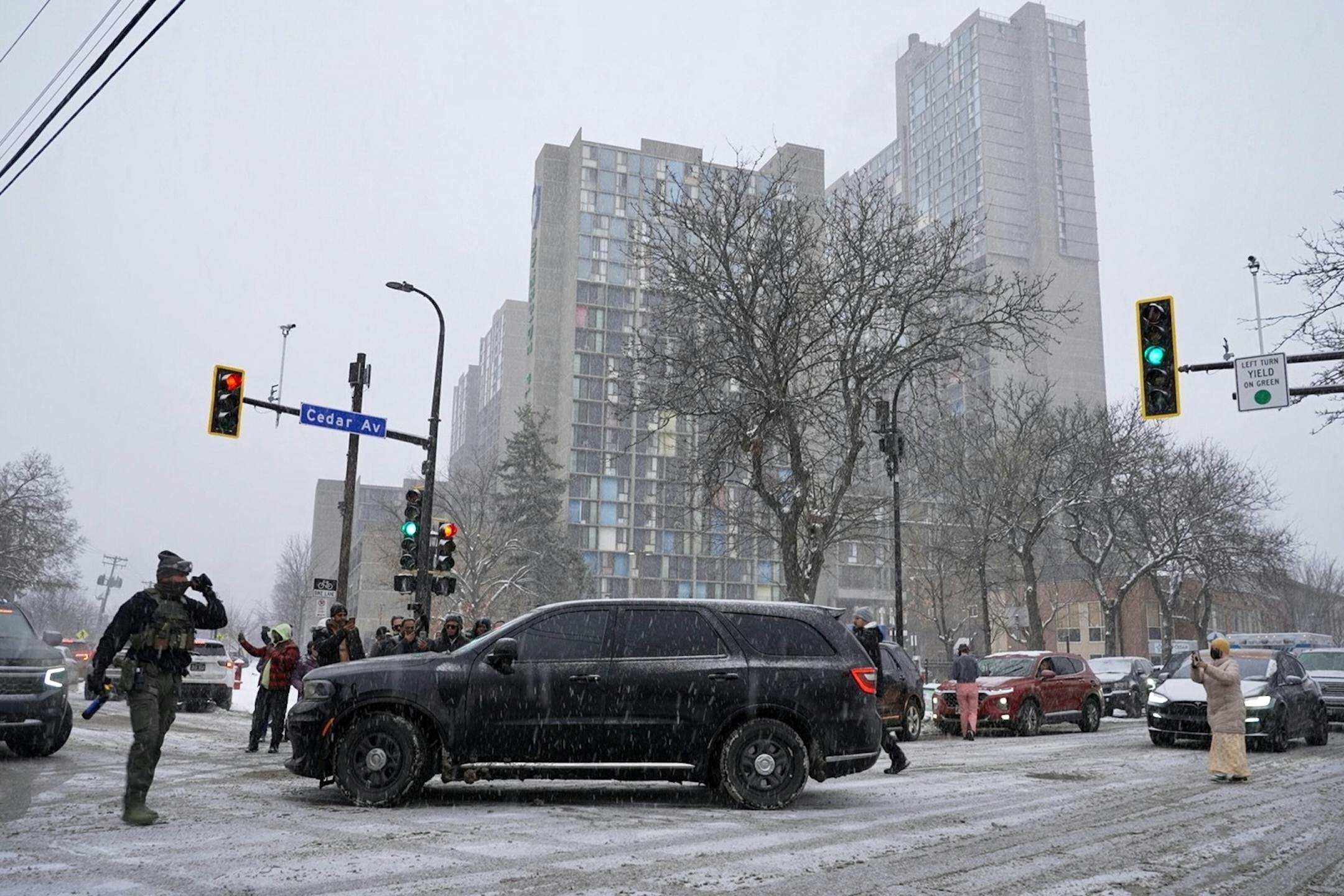
Until recently, I couldn’t understand how the average German citizen could have allowed this to happen. Witnessing the inhumane way ICE agents recently have “disappeared’ people off the streets has given me a new perspective. In this era of social media with ubiquitous and instant communication, even we do not know what has happened to many of the victims. I can only imagine in Germany with all communication controlled either through the national press, how the average citizen (even if well-intentioned) could feel powerless. None of us (irrespective of political persuasion) should allow this cruelty to ever become normalized as a way of enforcing immigration policy.
Last month, the Basel Action Network (BAN) released a report that should alarm every Minnesotan, “Brokers of Shame: The New Tsunami of American E-Waste Exports to Asia.” It exposes a grim reality — some electronics Minnesotans dropped off for “safe recycling” were shipped to informal scrapyards in Southeast Asia, where underpaid workers dismantle them in hazardous, unregulated conditions. One of the largest companies implicated is Best Buy — a Minnesota-based retailer that has long marketed itself as a sustainability leader.