

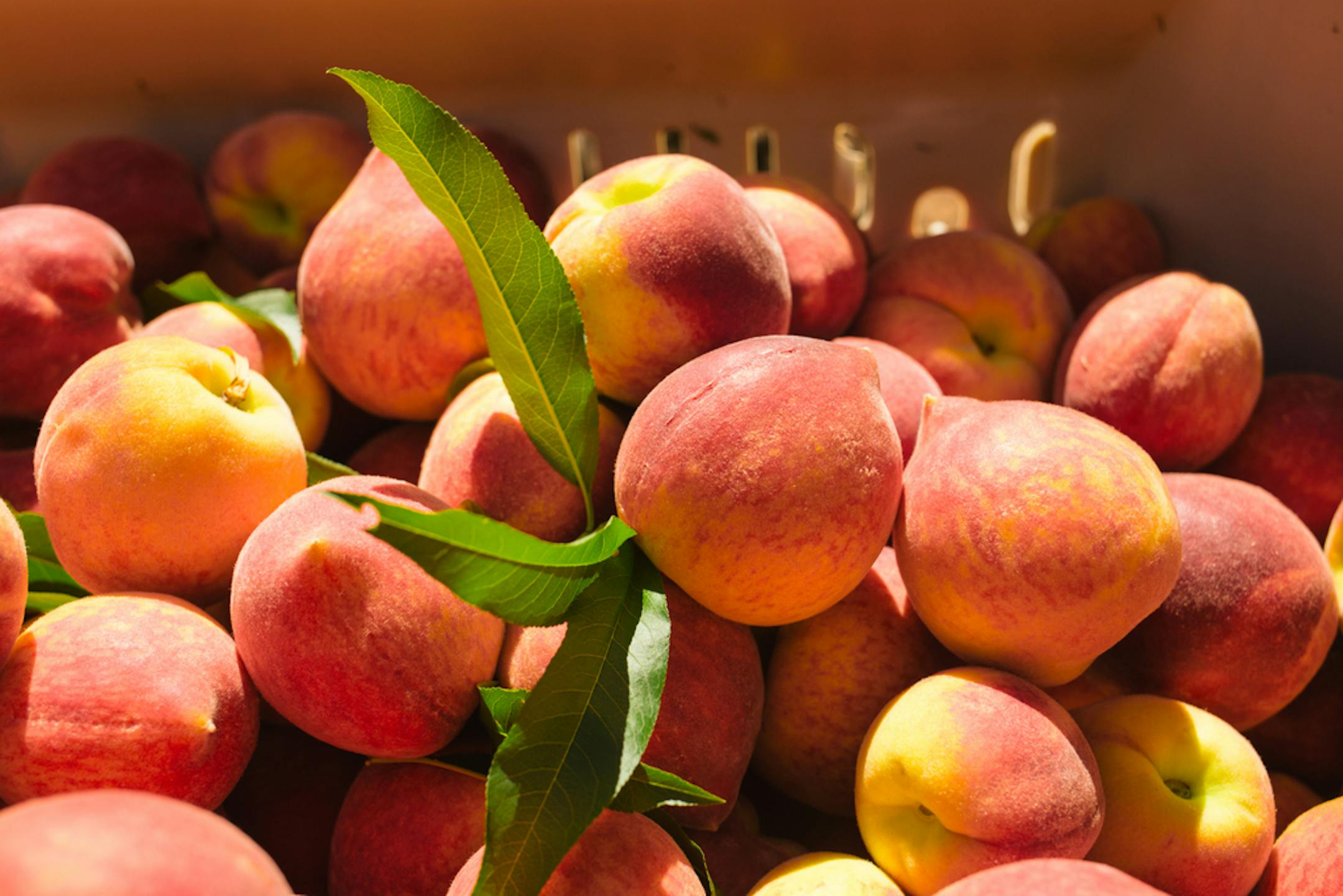
Dish soap that smells like gingerbread. Birthday-cake-scented trash bags. Laundry detergent redolent of a ripe peach.
Move over lemon, pine and lavender, there’s a new set of scents taking over the cleaning aisle.
“Consumers today, especially Zillennials, are energized by scent,” says Brienne Neisewander, vice president of marketing at Hefty, the maker of those birthday-cake-scented trash bags. “Scent has become an experience in itself, offering a form of escapism, a mood boost or even a sense of self-expression.”
As with anything else in life, fragrance is subject to trends and whims. “The pendulum swings back and forth” between an interest in and demand for fragrance and pushes for a more fragrance-free existence, says Emily Little, the associate managing editor of Perfumer & Flavorist.
We’re in a period of #smellmaxxing, a trend driven largely by young people. “Adding fragrance in unexpected places, or with unexpected profiles, can infuse fun into the everyday,” Neisewander says, “even in something as simple as a household essential.”
Consumers aren’t necessarily abandoning legacy fragrances to make room for new scents, though. “Classic scents like citrus, lavender and pine will always drive broad consumer appeal,” Neisewander says, “but we are seeing consumers express interest in more complex and intriguing profiles.”
That includes sweet dessert-like scents, in particular, that elicit feelings of warmth, comfort and nostalgia. “That emotional connection is a powerful driver of why they’re becoming increasingly popular in the cleaning and home essentials aisles,” Neisewander says.
Companies that make household goods, including cleaning products, have taken note, particularly of the enthusiasm for gourmand scents — the fancy name for fragrances that smell like foods. They’re using them to reach younger customers, even as they challenge traditional ideas of what clean smells like. “There’s a growing appetite for fragrances that feel fresh, new and even a little indulgent,” Neisewander says.


