Listen and subscribe to our Curious Minnesota podcast: Apple Podcasts | Spotify
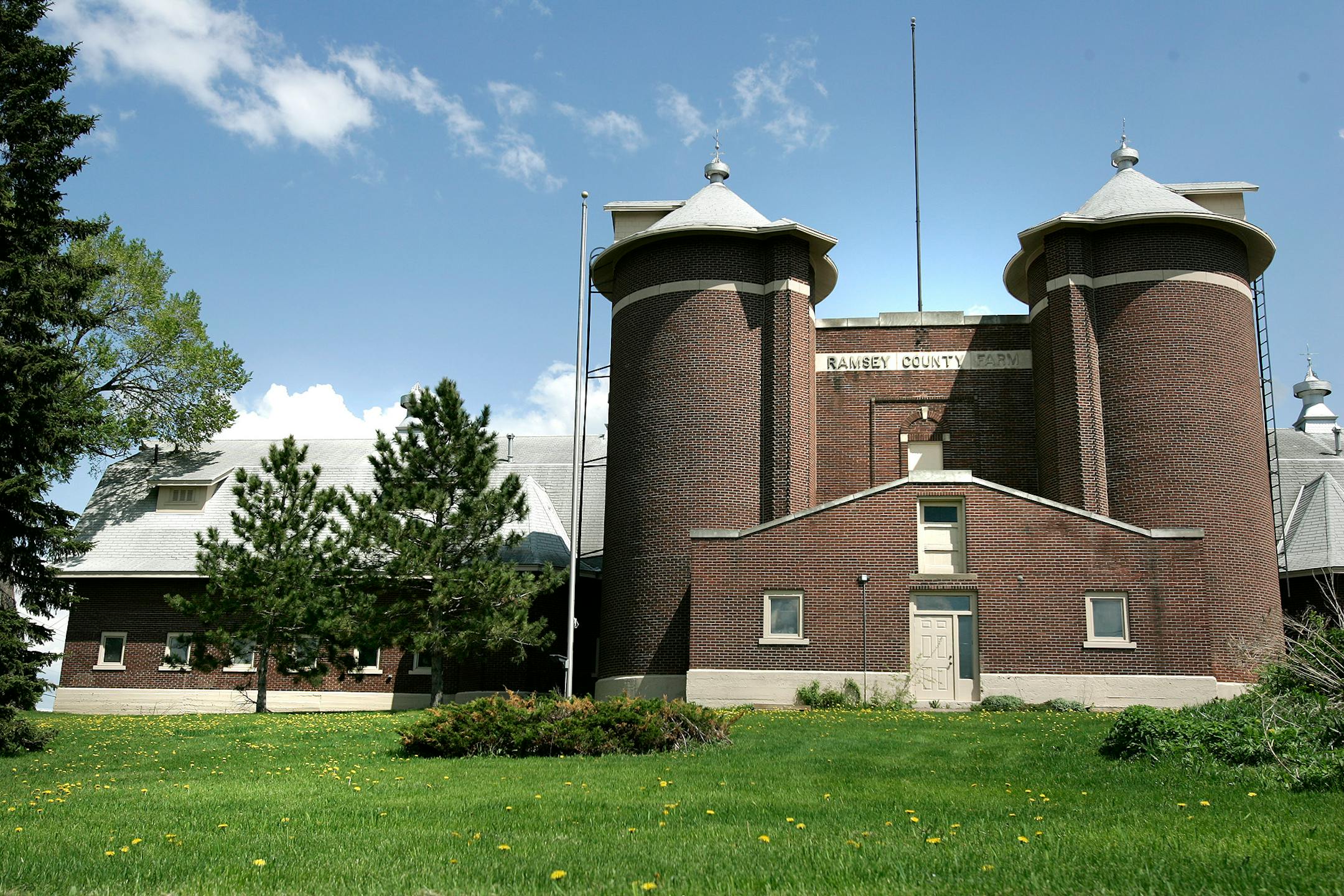
A century ago, before the federal government provided social services, most of Minnesota’s counties ran poor farms to house their most impoverished inhabitants. Some residents who were young and healthy enough worked on the farms.
Today, the poor farm era is largely forgotten.
But for generations, these institutions — some well-run, others filthy and without enough beds — served as a last refuge for America’s destitute. When they closed, most of them left behind little more than rubble — and the stories of those who lived and labored there.
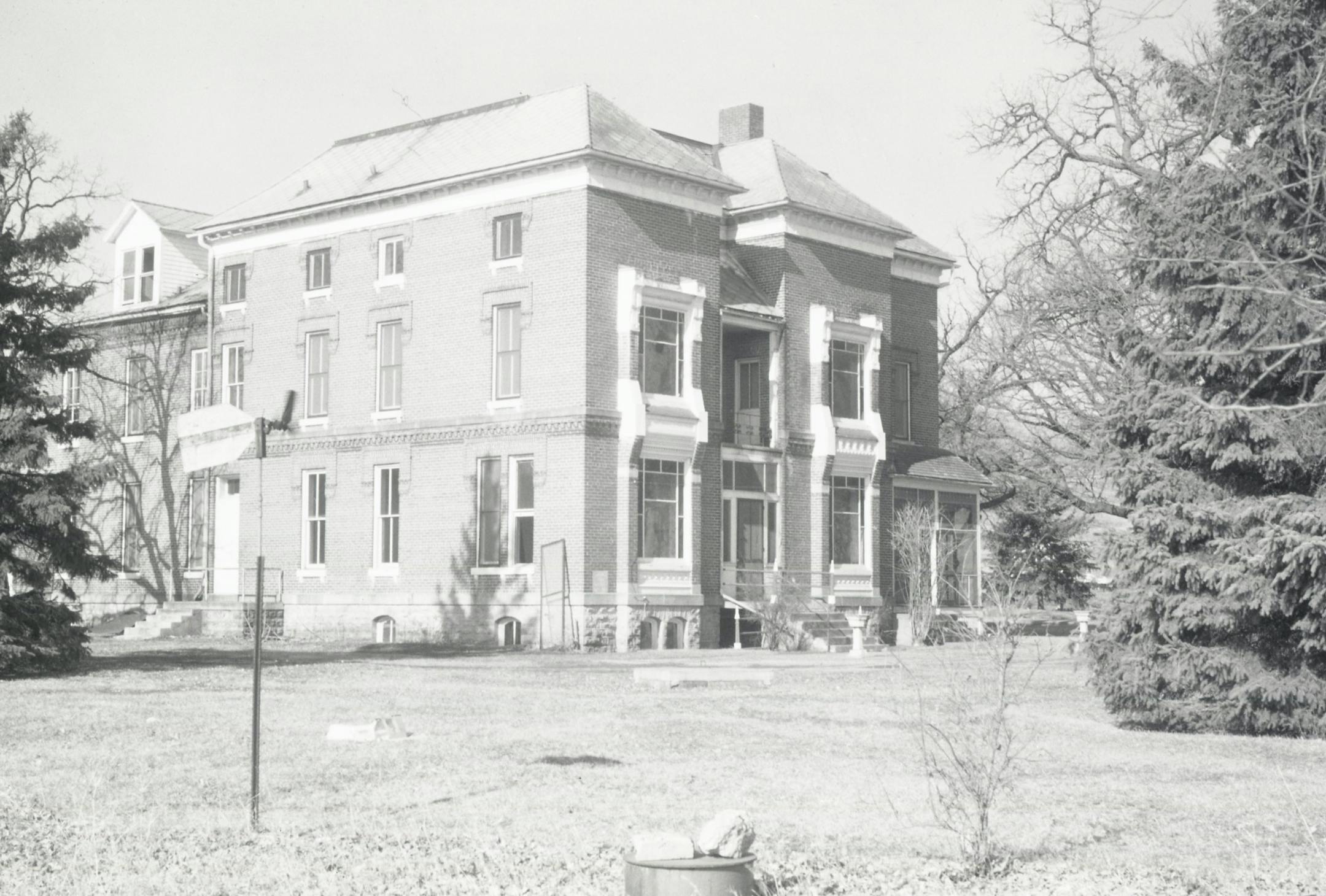
Tim Sletten was walking down the Cannon Valley Trail in Red Wing when he stumbled across a sign marking the site of the Goodhue County Poor Farm. The acres are now home to a Red Wing Shoe Co. plant.
Sletten reached out to Curious Minnesota, the Strib’s reader-powered reporting project, to learn more about the role poor farms played in Minnesota’s history. “I have lived here for over 40 years and never knew about the poor farm,” Sletten said. “And I am sure I am not alone.”
In Minnesota, 63 of the state’s 87 counties once operated poor farms between the mid-19th and mid-20th centuries. The Goodhue County Poor Farm, which operated from 1864 to 1963, was the longest-running poor farm in the state.
Counties had to provide
The Goodhue County facility, like most of Minnesota’s poor farms, was established under an 1864 law that required counties with sizable poor and aging populations to provide basic care and shelter.