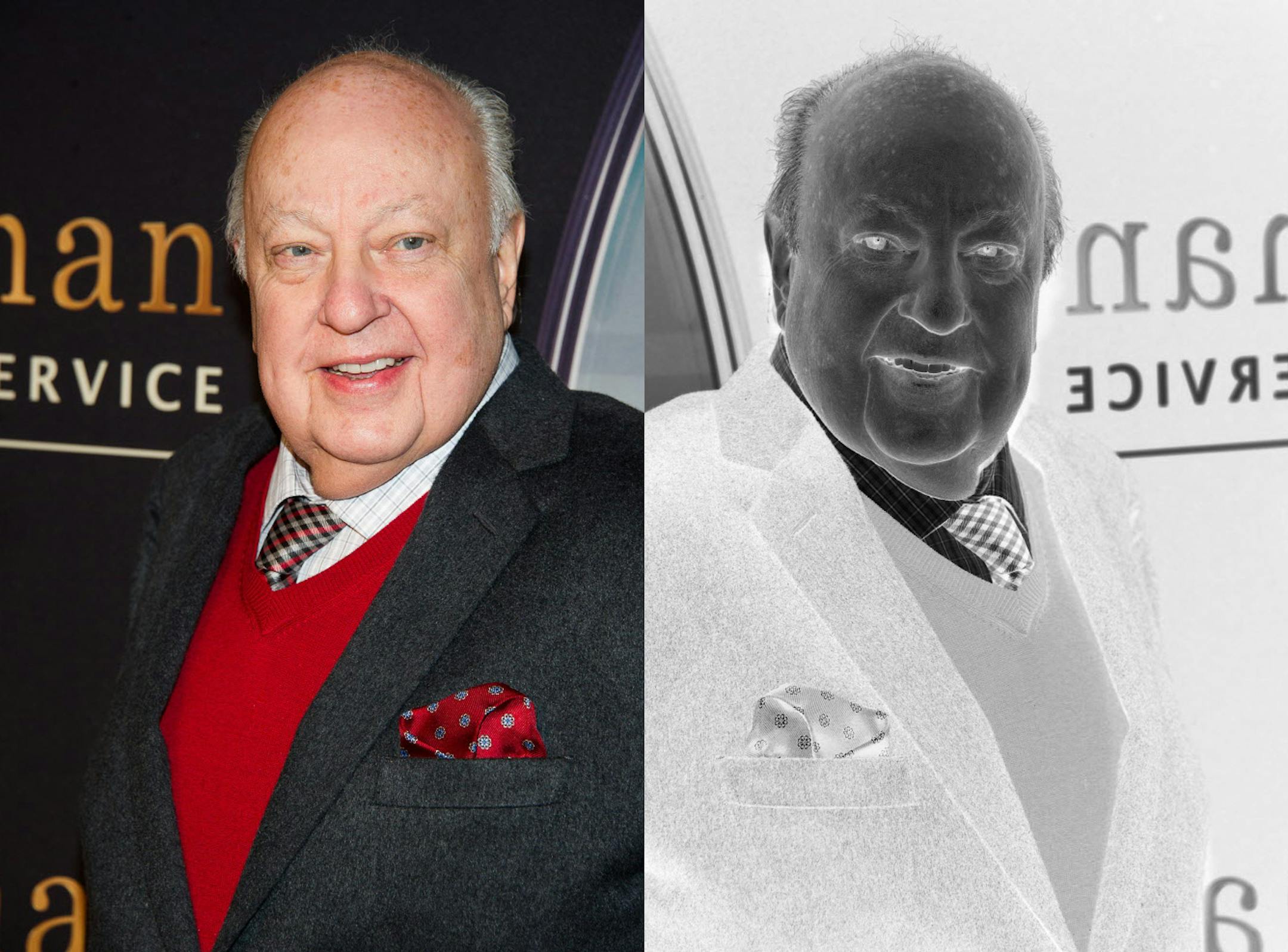
The recent firing of Roger Ailes, chairman and CEO of Fox News, following sexual harassment and gender discrimination charges by former anchor Gretchen Carlson, brings to light once again that harassment is still alive and well in the workplace.
The good news, however, is that we are making progress. First, parent company 21st Century Fox launched an internal investigation following Carlson's lawsuit and, within two weeks, Ailes was out. Second, organizations are finally getting the picture that harassment in the workplace is not only unacceptable — it's against the law.
What is often overlooked, however, is the significance of a company's corporate culture and how this fits into the equation of a safe, ethical workplace.
Carlson's harassment case encompasses all of the classic ingredients: A quid-pro-quo claim, retaliation for refusal, denial by Ailes — all shortly followed by corroboration by other women who felt emboldened by Carlson's claims to come forward with similar experiences.
How all of this unfolds remains to be seen. However, it appears that the corporate culture at Fox News puts them at risk.
An organization's corporate culture can best be defined as the values, ethics and behaviors established and imparted by its leaders. These are standards, both written and unwritten, that influence how any organization operates. Stated in the organization's codes of ethics and/or mission statements, they are reiterated by and reflected through the company's management team as beacons that guide policies, practices, decisions and personal behavior at work.
In fact, when a company is faced with a harassment lawsuit, one of the first things attorneys (on both sides of the aisle) assess is the company's established culture. Fox's corporate culture does not appear to be one to be proud of.
Fox's image is reflected in its broadcasts with female reporters in short skirts, crossed legs, often cleavage, perched on high-top stools with camera angles from below. What are we really selling here — sex or journalism?