

Officials remind swimmers of unpredictable nature of Mississippi River after man’s drowning

Ronald Highet, 56, of Rochester was swept away by the river near Lake City, Minn., over the weekend.

The Minnesota Star Tribune
July 22, 2025 at 7:54PM
Conditions on this stretch of the Mississippi River that forms Lake Pepin near Lake City, Minn., can change quickly, said Capt. Chad Steffen of the Goodhue County Sheriff's Office. (Aaron Lavinsky/The Minnesota Star Tribune)

Authorities in southern Minnesota are reminding the public of the risks of wading into a volatile stretch of the Mississippi River in the wake of last weekend’s drowning that claimed the life of a 56-year-old Rochester man.

The body of Ronald John Highet was discovered Sunday in the Mississippi River near Lake City, one day after he was reported missing.

Highet had been attempting to help a 12-year-old girl who had been swept away by the river, before becoming exhausted and never resurfacing, his family said.

The girl, described as a close family friend of Highet, was eventually rescued after people in a boat spotted her flailing her arms in distress. She did not suffer any apparent injuries, according to the Goodhue County Sheriff’s Office.
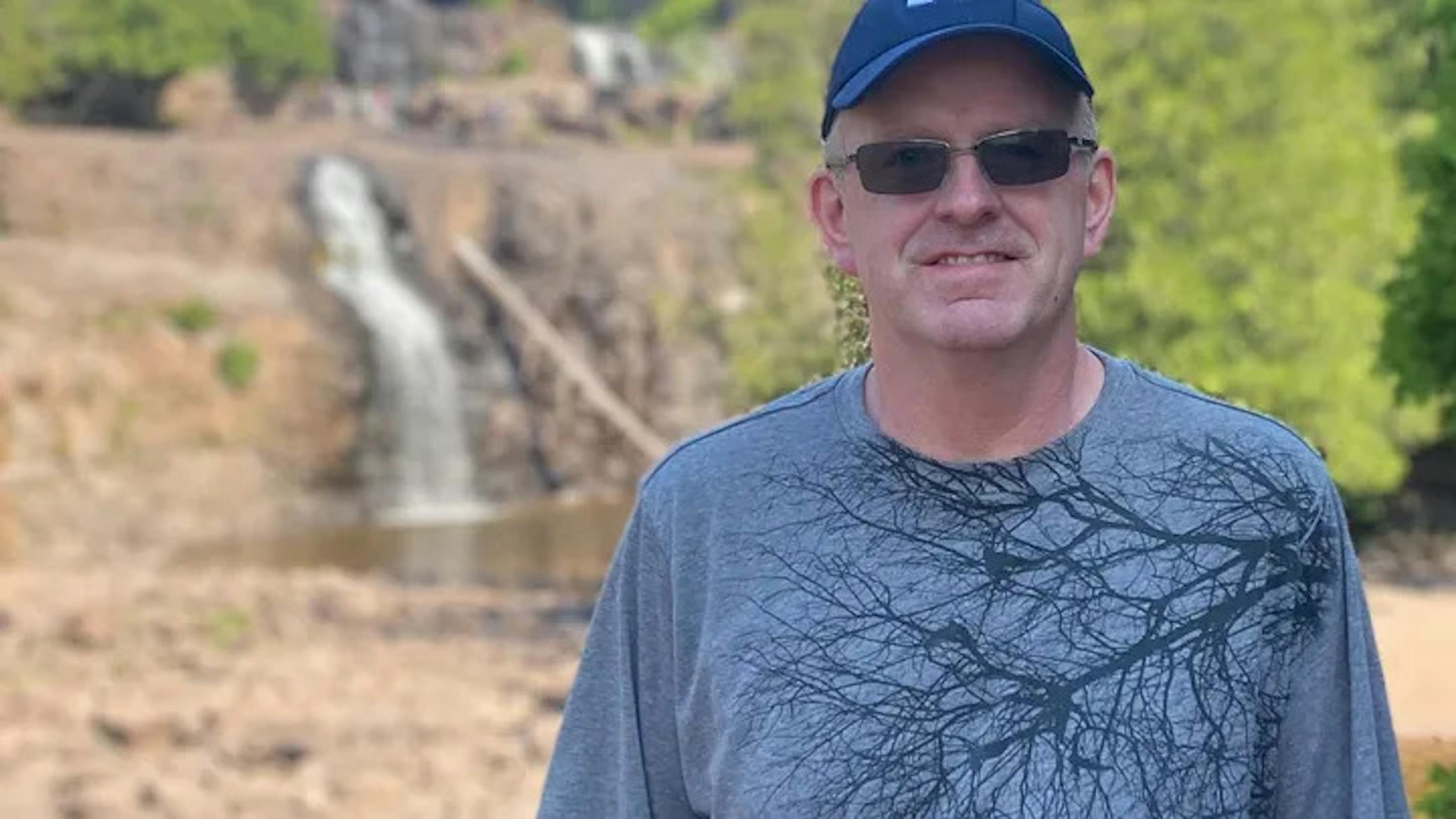
Ron Highet had been attempting to save a family friend when he drowned in the Mississippi River on Saturday.

The incident happened near Long Point Beach in Frontenac State Park, where the Mississippi opens to form Lake Pepin, in what is the widest navigable portion of the 2,350-mile river.

Capt. Chad Steffen, head of emergency services for the Sheriff’s Office, said that stretch of the river can be particularly deceptive in its appearance and conditions.

Sandbar shifts and drop-offs are all too common, he said, and it’s not unusual for swimmers to suddenly find themselves over their heads — even if they entered the water in a shallow area.

“What looks like a shallow, calm sandbar can quickly transition into deeper drop-offs with strong undercurrents, especially as river levels fluctuate,” Steffen said in an email. “These changes are often not visible from the surface, which increases the risk for anyone entering the water — particularly those unfamiliar with the area.”

Steffen said the biggest things swimmers can do to protect themselves is be aware of the conditions and wear a life jacket before entering the water.

Neither Highet nor the girl had on a life jacket, the Sheriff’s Office said.

“While specific warning signage is limited along these open-access river points, our hope is that this tragedy serves as a reminder of how quickly things can go wrong — even on a seemingly calm, hot, summer afternoon," Highet said.

Meanwhile, news of Highet’s death has been met with an outpouring of support on social media from his family and former co-workers at Mayo Clinic, who described him as a man who “gave without hesitation.”

“His selfless act of courage in those final moments perfectly captured the way he lived his life: always putting others first,” the family wrote in an online fundraiser.

about the writer

about the writer

Sean Baker

Reporter

Sean Baker is a reporter for the Star Tribune covering southeast Minnesota.

See Moreicon

More from Greater Minnesota

See More
card image
Jeff Wheeler/The Minnesota Star Tribune

With the moose population much smaller than it was two decades ago, Minnesota has not had a moose hunting season since 2012.

card image