Opinion editor’s note: Strib Voices publishes a mix of material from 8 contributing columnists, along with other commentary online and in print each day. To contribute, click here.
•••
It was during a daylong seminar on how to eliminate bias in the law that I saw the news alert. I had not gone looking for the story, but it found me. We had spent the morning talking about how people inside the legal system can still push it toward fairness in a moment like this. On a short break, I glanced at my phone and saw the headline:
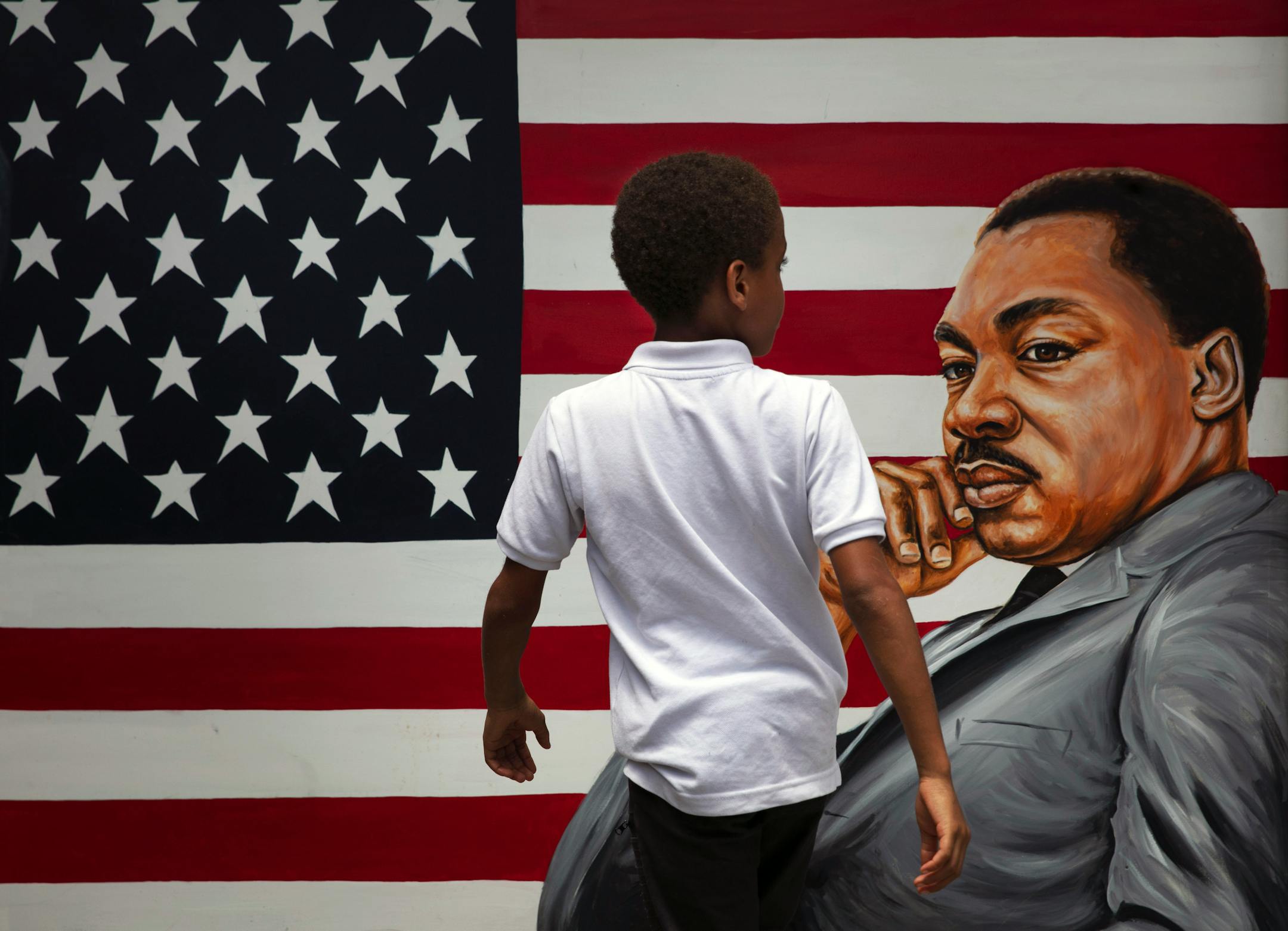
“National Parks are now free on Trump’s birthday, but not on MLK Jr. Day or Juneteenth.”
I closed the article, then opened it again, because it sounded like a bad joke. Was this from the Onion?
My first reaction was not anger. It was that heavy feeling in your chest when something confirms what you kept hoping was not true. Here I was in a room devoted to eliminating bias, listening to respected voices talk about widening the circle of justice, while at the same time the federal government was quietly narrowing it. Of course it would be Juneteenth. Of course it would be Martin Luther King Jr. Day. Of course one of the days that was added to the list would be the president’s own birthday, folded into Flag Day and patriotic branding.
Sitting there with colleagues and students, I thought about how rare it is for this country to admit that freedom has never arrived everywhere at the same time. Juneteenth is the only federal holiday built around that uncomfortable truth. It exists because enslaved people in Texas did not learn they were free until more than two years after the Emancipation Proclamation. The holiday is a note in the margins of our history that says, in plain language, we were late. We should have done better.
Opal Lee, one of the elders who helped make Juneteenth a federal holiday in 2021, likes to say that freedom is for everybody and that none of us are free until we are all free. She tells people to make themselves a “committee of one” and go change somebody’s mind. That line has followed me from childhood into my work as an attorney and columnist. This is not a “Black people’s holiday” that everyone else politely observes from the sidelines. It is a mirror that asks whether we truly believe in a freedom that includes everyone, or only the people we are comfortable with.