

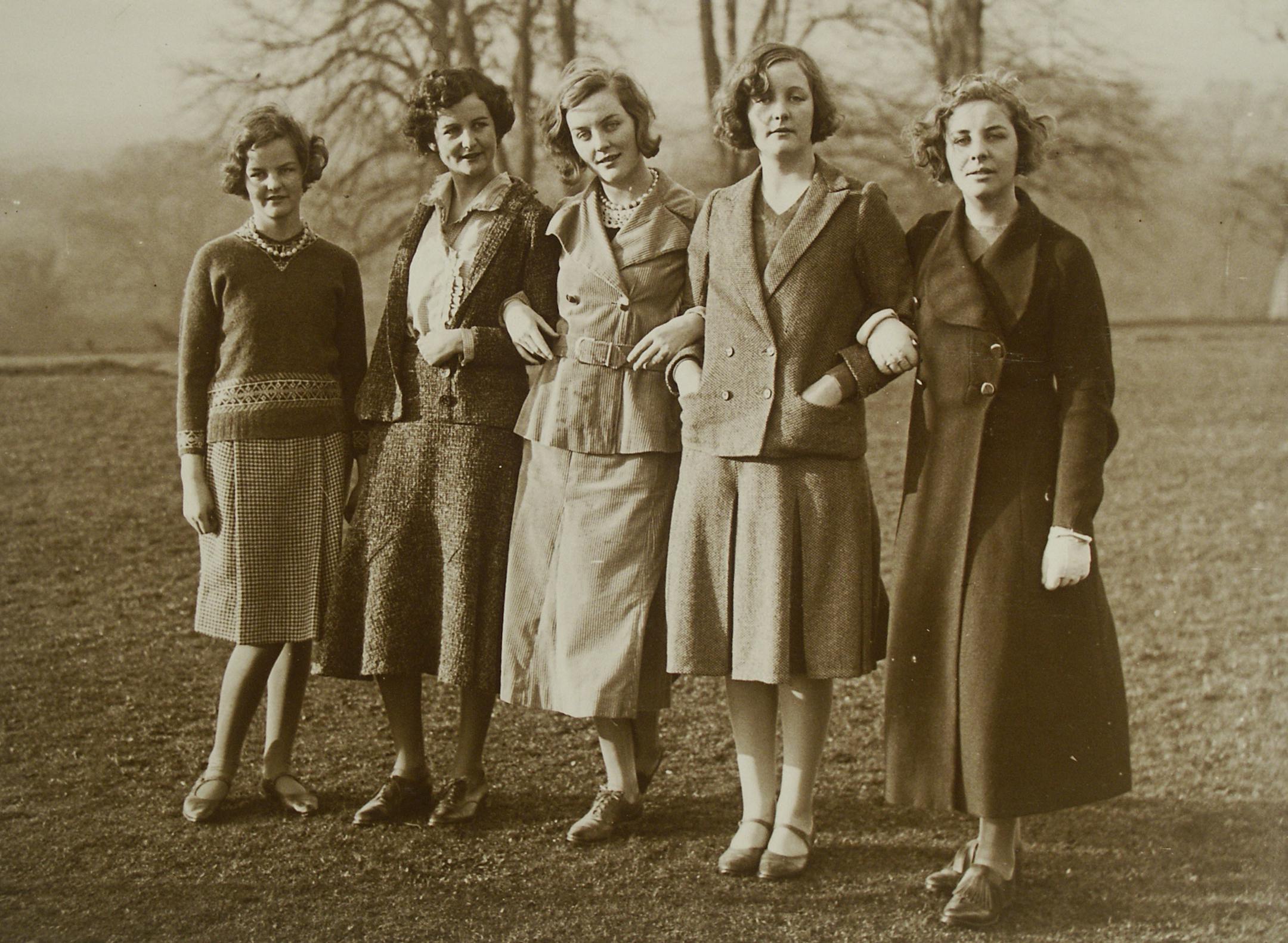
Pop culture is having a Mitfordmania era.
The Mitford family, midcentury British swells who achieved various levels of notoriety, have been the subject of several recent hits. Released late last year, Mimi Pond’s graphic novel, “Do Admit,” was about both the eccentric family and Pond’s obsession with them. There’s also “The Six,” a 2017 biography of sisters who came of age in the 1940s. Streaming TV series “Outrageous!” is about the six eccentric sisters, two of whom grew up to become bestselling authors (Jessica wrote “The American Way of Death” and Nancy wrote “Love in a Cold Climate”) and two of whom (Diana and Unity) became pals of Adolf Hitler, with Diana getting married in Joseph Goebbels’ house.
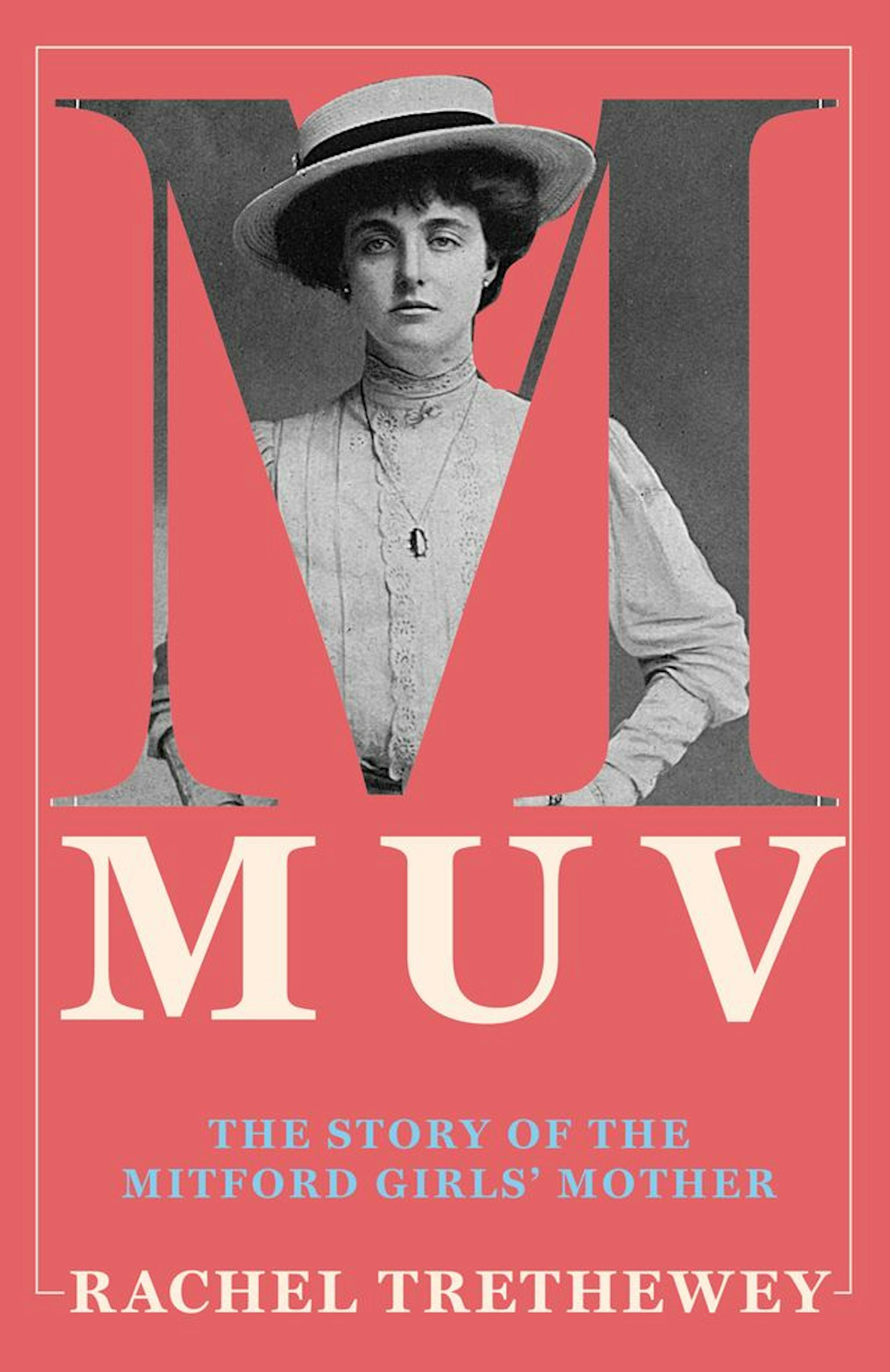
Turns out there were more fans of fascism in the wealthy family. The sisters’ mother, Lady Sydney Redesdale — whom the girls nicknamed “muv” (their father was “farve”) — was also on board. “Muv,” as Rachel Trethewey’s biography of Redesdale is called, was not as rabidly pro-Nazi as her daughters but, always politically conservative, she supported Hitler and thought he had “a nice face.”
The most appealing thing about “Muv” is its nuanced portrayal of its troubling subject, whose contradictory behavior often took the path of least resistance (as when she decided not to tell both writer daughters that she objected to their portrayals of her in their work, trying to avoid conflict that bubbled up, anyway). As Trethewey asks in her introduction, “Should she be outlawed because of her support for Hitler, or can we abhor her views while feeling sympathy for the family tragedies she faced?”
Trethewey takes the latter view, detailing those tragedies, including children and grandchildren who predeceased her, separation from her husband (over Hitler), financial reversals and a long battle with Parkinson’s disease. By helping us understand the impact of Victorian-era parenting methods (basically: see the kids at breakfast and then let Nanny take over) and of Muv’s awareness that her opinionated children had temperaments inherited from her, Tretheway’s interpretation seems like the closest we’ll get to what Muv was like, given that almost everything we know about her comes not from her but from observers.
With few primary sources, Trethewey leans hard on the daughter’s fictional accounts of their mother, which gets “Muv” into trouble. Trethewey assumes the details of Nancy’s loosely autobiographical novels are factual, which is a leap. But Trethewey also complains that the fictional versions are inaccurate: “By downplaying Sydney’s politics, the portrayal of Aunt Sadie [the Muv character in two novels] loses the essence of who Sydney really was.” The biographer can’t have it both ways.
It’s defensible to lean on the daughters’ published material but I wish Trethewey were more circumspect in how she uses it. I do admire how complicated her portrait of Muv is, and the way she captures how relationships with parents change when we gain a deeper understanding of their humanity — as when Jessica, who has been estranged from her mother for long periods of time, greets Muv after a long journey from England to Jessica’s San Francisco home.
“When Sydney got off the aeroplane, looking exhausted and more vulnerable than her daughter remembered, Jessica’s attitude towards her became more sympathetic,” writes Trethewey.


