

Opinion editor’s note: Strib Voices publishes a mix of guest commentaries online and in print each day. To contribute, click here.
•••
The Sept. 14 article “Her case was at the heart of groundbreaking Minnesota court ruling, but was she right for the cause?” accuses the ACLU-MN, Gender Justice, the Minnesota Association of Criminal Defense Lawyers (MACDL), the Minnesota Public Defender’s Office and even the Minnesota Supreme Court of unethically using a woman with mental health issues to further their agenda. But the article fundamentally misrepresents how our legal system works. Ironically, of all the parties who have written about her case, the only one to exploit Eloisa Plancarte’s life story is the Minnesota Star Tribune.
Plancarte was charged with and convicted of a crime called “indecent exposure.” As a result, she faced jail time (often referred to as time in the “workhouse”) — not mental health treatment, as the article implied. When someone gets charged with a crime, it is their attorney’s job to zealously fight the charges (not advocate for what someone else perceives as their “best interests”). That includes arguing that the charge violates the Constitution or is otherwise unfair.
While a majority of the approximately one million cases filed every year in this state affect only the people involved, some court opinions, like Plancarte’s, apply to all Minnesotans. This is how groundbreaking and celebrated legal cases happen. While the facts in landmark cases center on one person, the legal principles that emerge ripple across the criminal justice system setting precedent, guiding future courts and influencing how laws are applied in everyday life. That is why these cases matter far beyond the courtroom: They determine not only the fate of the parties involved, but also the fairness and integrity of the system we all rely upon.
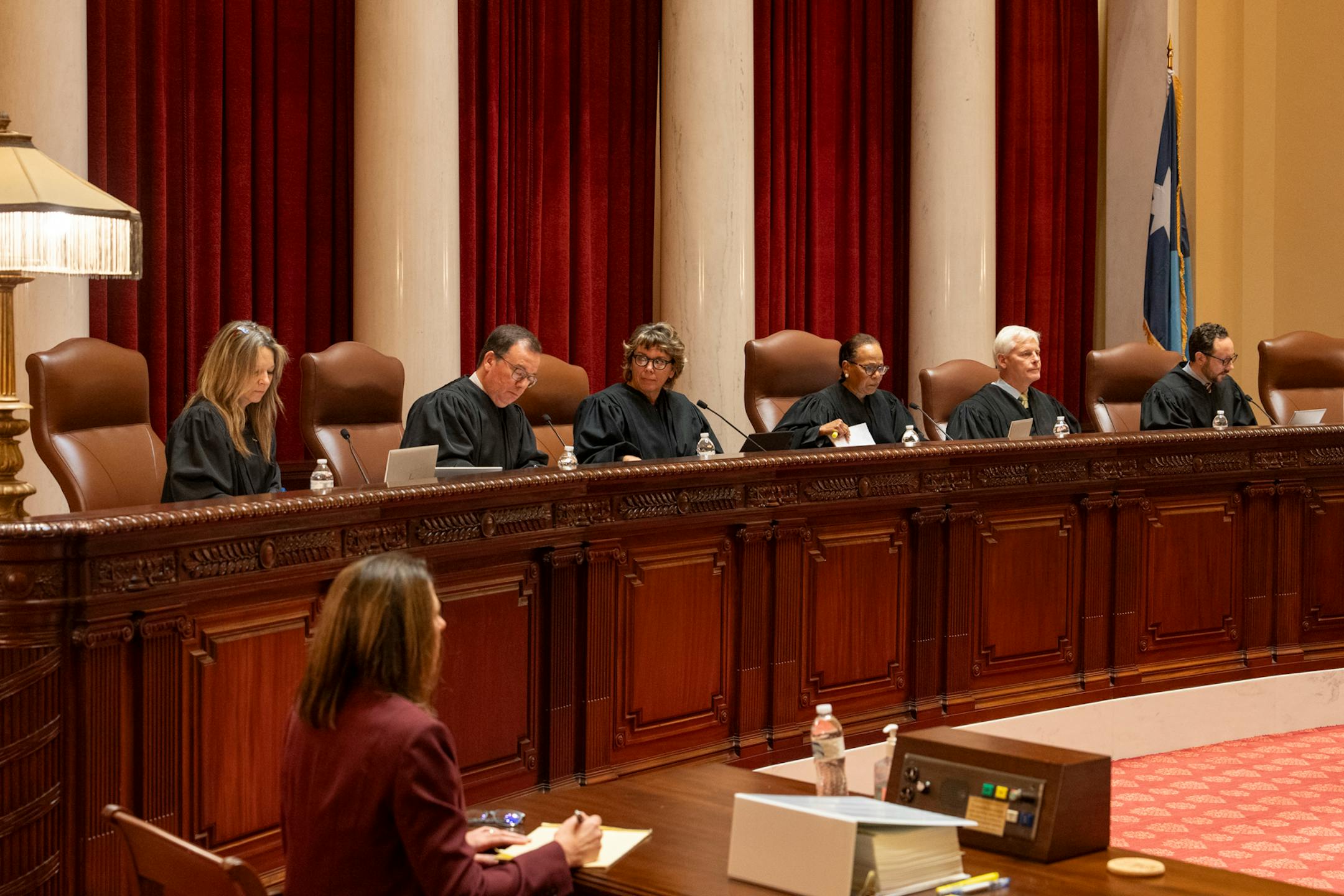
In Minnesota, the state Supreme Court has the final word on, for example, clarifying what a vague or confusing law means, ensuring the laws are applied fairly to everyone, and deciding whether the laws otherwise conform with the constitution. The court’s decision here did just that. The court was not asked to and did not solve Plancarte’s mental health issues, because that is not its role in criminal cases. Rather, the court’s ruling simply affirms a fundamental principle: People cannot be jailed for minor public conduct, like not wearing a shirt, when doing so does not harm others. All Minnesotans benefit from this decision because an unfair application of the law to one person is a threat to justice for all. The court’s ruling reversed an unjust conviction, protects civil liberties and reminds us that the law must apply fairly to everyone, regardless of mental health, social status or circumstance.
The article also mischaracterized the role of groups like the ACLU-MN, Gender Justice and MACDL. We often file “friend of the court” briefs to share context, expertise and perspectives beyond what the parties themselves presented. Courts regularly grant these requests and sometimes seek input from outside parties because amicus filings help judges see the broader legal and social consequences of their decisions and ensure that important issues are considered from multiple angles.
We filed in this case because the court of appeals issued a ruling that applied to all Minnesotans, not just Plancarte, that we strongly believed was unconstitutional. That ruling stated that anytime a woman is topless in public she has automatically committed a crime and is subject to jail time — unless she is breastfeeding. This case was about more than one individual; it was about challenging a law that criminalizes women simply for being topless in public, a standard not applied to men.


