

Opinion editor’s note: Strib Voices publishes a mix of guest commentaries online and in print each day. To contribute, click here.
•••
Business leaders across Minnesota are navigating an increasingly difficult moment. Many are trying to do right by their companies, employees, customers and communities while feeling caught between competing pressures, unclear expectations and real fears about saying the wrong thing at the wrong time.
That tension is understandable. Leadership today carries real legal, reputational and political risks. But there are moments when silence itself begins to carry weight. What is happening in our communities is no longer abstract — it has entered workplaces, lunch rooms and factory floors. Employees are asking quiet questions. Managers are unsure how to respond. Trust, one of the most fragile and essential assets in any organization, is being eroded.
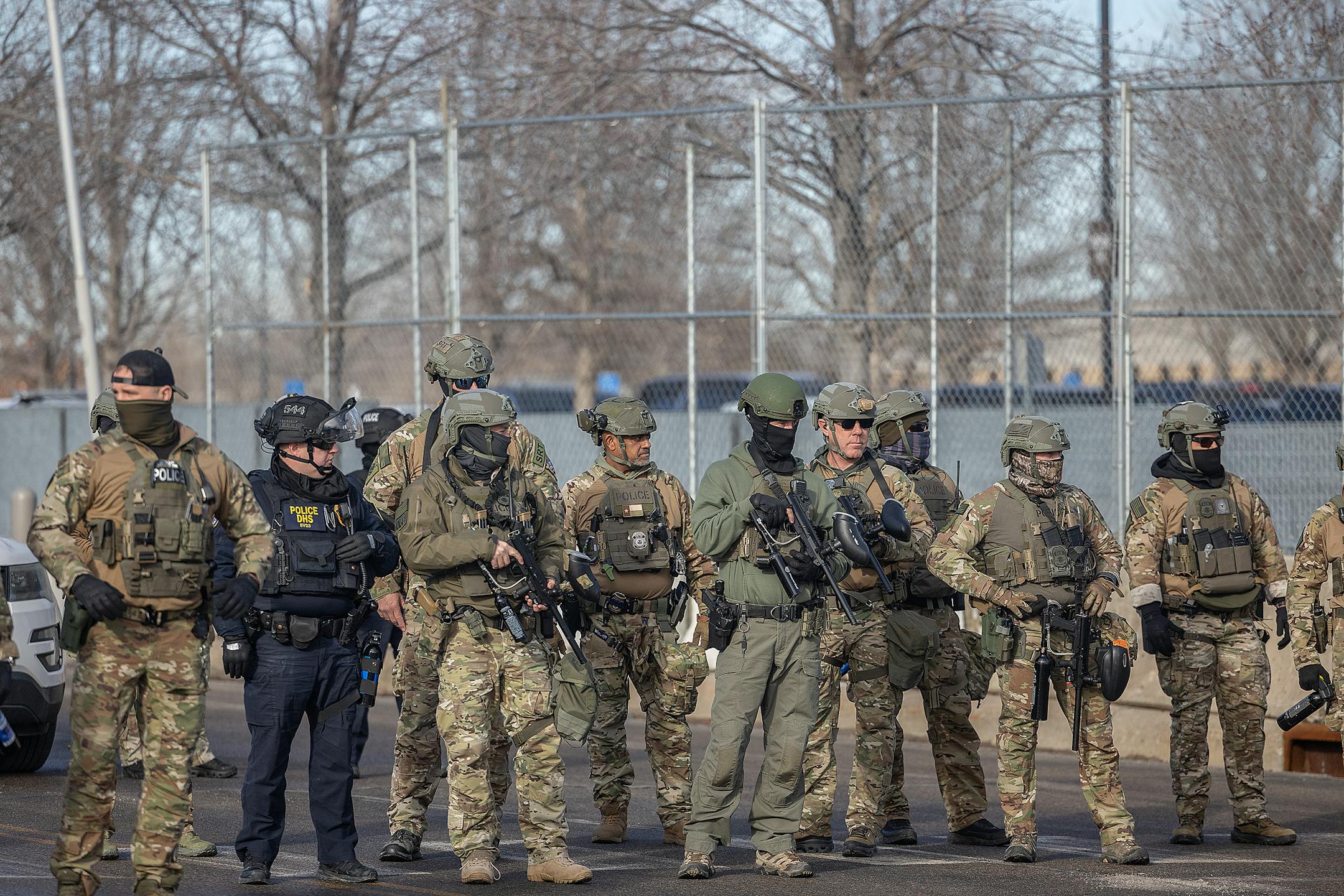
The silence from many Minnesota business leaders has been deafening, not because leaders don’t care, but because fear narrows choices — fear of retribution, misinterpretation or stepping into controversy that feels impossible to navigate. These concerns are valid, yet leadership has always required moving forward together even without certainty. When a 17-year-old U.S. citizen is reportedly removed from his job because of the color of his skin and a major employer offers no response, people notice. When enforcement actions create fear that spills far beyond their stated targets, workplaces feel it immediately. This is no longer political; it is human, and it is economic.
Employees are not asking for perfection or radical statements. They are looking for reassurance that leaders see what is happening, understand the fear it creates, and are willing to say that stability, fairness, empathy and trust matter. Fear is not just a social cost — it is a business one. And fear is bad for business.
We’ve drafted more statements than we can remember over the years, often advising others on when — and when not — to speak, and what business moves to make. We’ve seen firsthand how moments like this affect morale, retention, productivity and trust inside organizations, and how quickly uncertainty can translate into real economic risk. This feels different because it is different. Leaders don’t need perfect language, but they need to say something.
What follows is a model statement intended as a guide for Minnesota businesses as they consider how to respond:


