

Opinion editor’s note: Strib Voices publishes a mix of guest commentaries online and in print each day. To contribute, click here.
•••
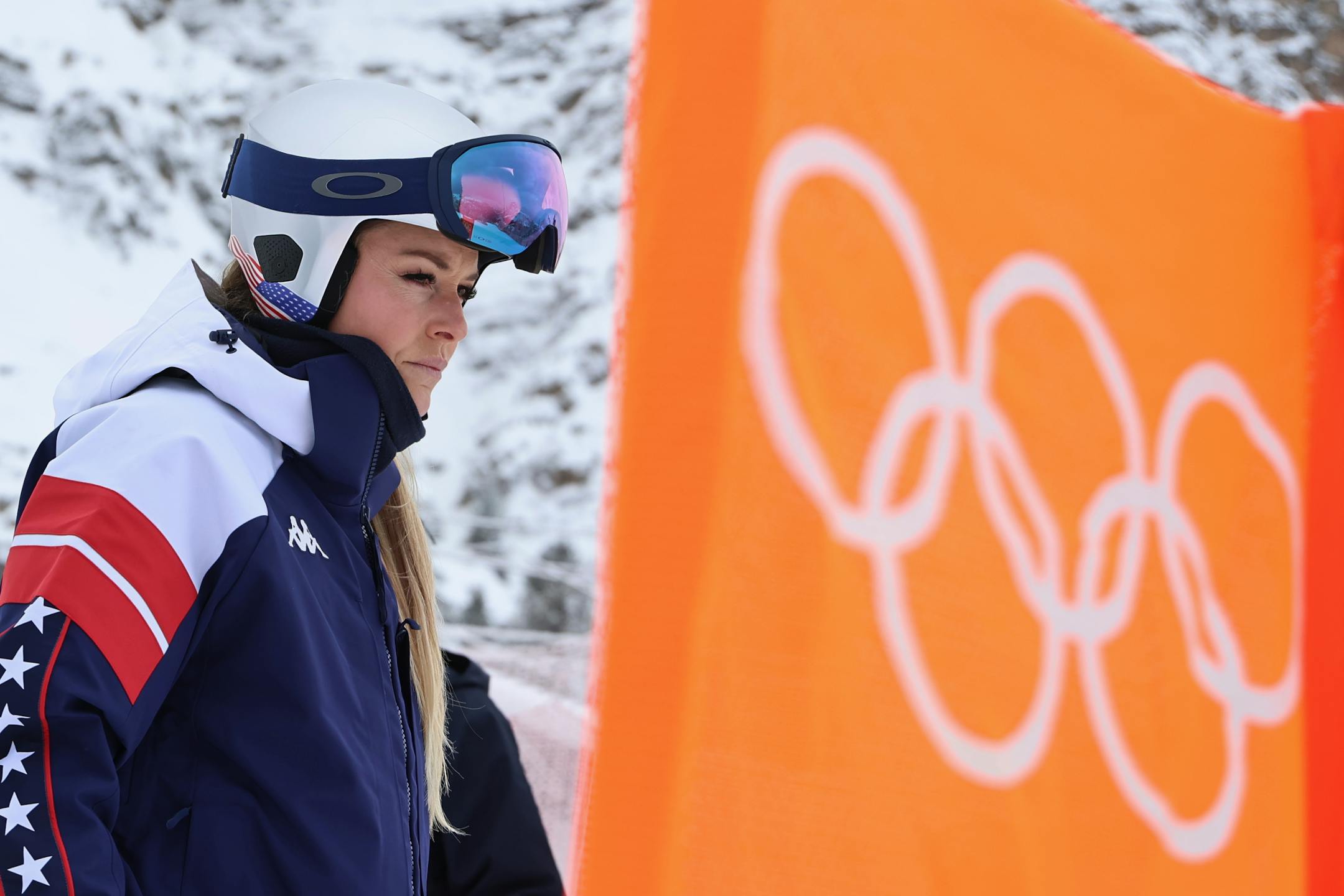
My 4-year-old was on my lap when Lindsey Vonn crashed on Sunday. Her run ended early and abruptly, taking any chance at a final Olympic medal with it.
As the crash aired over and over, I was surprised to feel tears well up — startled by how much her comeback mattered to me.
I’ve been waiting for a classic Hollywood ending to Vonn’s story for nearly three decades. I first saw her on a small ski slope outside of Minneapolis, where she skied much, much faster than me. I hung up my skis as a mediocre high school racer in 1999, then switched to cheering her on from the sidelines. I took her wins as my own, and when she retired in 2019, I thought that was the end of the story.
But earlier this year, her comeback recast her as an underdog in a surprise third act. There’s something irresistible about rooting for someone who’s injured and doubted, their win no longer inevitable — working against the odds to a finish that is both exciting and cathartic.
So when I narrated the women’s downhill to my kids — my daughter kept calling Vonn my “best friend” even though our “relationship” has always been one-sided — I realized how much I was waiting for proof that hard work pays off. That Vonn’s story wasn’t over and that by extension, neither was mine.
The reason we like comeback stories is because of the promise they make with the audience. We tolerate the discomfort, the protagonist hitting rock-bottom, because we know they will end up on top. And for two magical hours, all the other factors in life that go into whether someone wins or loses fall away in favor of our hero’s story line.


