

Opinion editor’s note: Strib Voices publishes a mix of guest commentaries online and in print each day. To contribute, click here.
•••
In 2020, I had the rare opportunity to introduce my 13-year-old son to Terrence Roberts, a member of the Little Rock Nine. I spoke to my son about the extraordinary bravery of those students — children only a few years older than he was — who went to high school each day under the protection of the National Guard simply to claim their right to an education.
We are now witnessing a modern tragedy unfold on the streets of Minneapolis. Renee Good — a wife, a mother, a poet, a community member — was fatally shot by a federal agent. Local officials have disputed the federal narrative justifying her killing, and the incident has ignited grief, fear and protest across the city. This moment is not an aberration. It is a reminder that the tension between state power and civilian safety is not confined to the past; it is a living condition of our present.
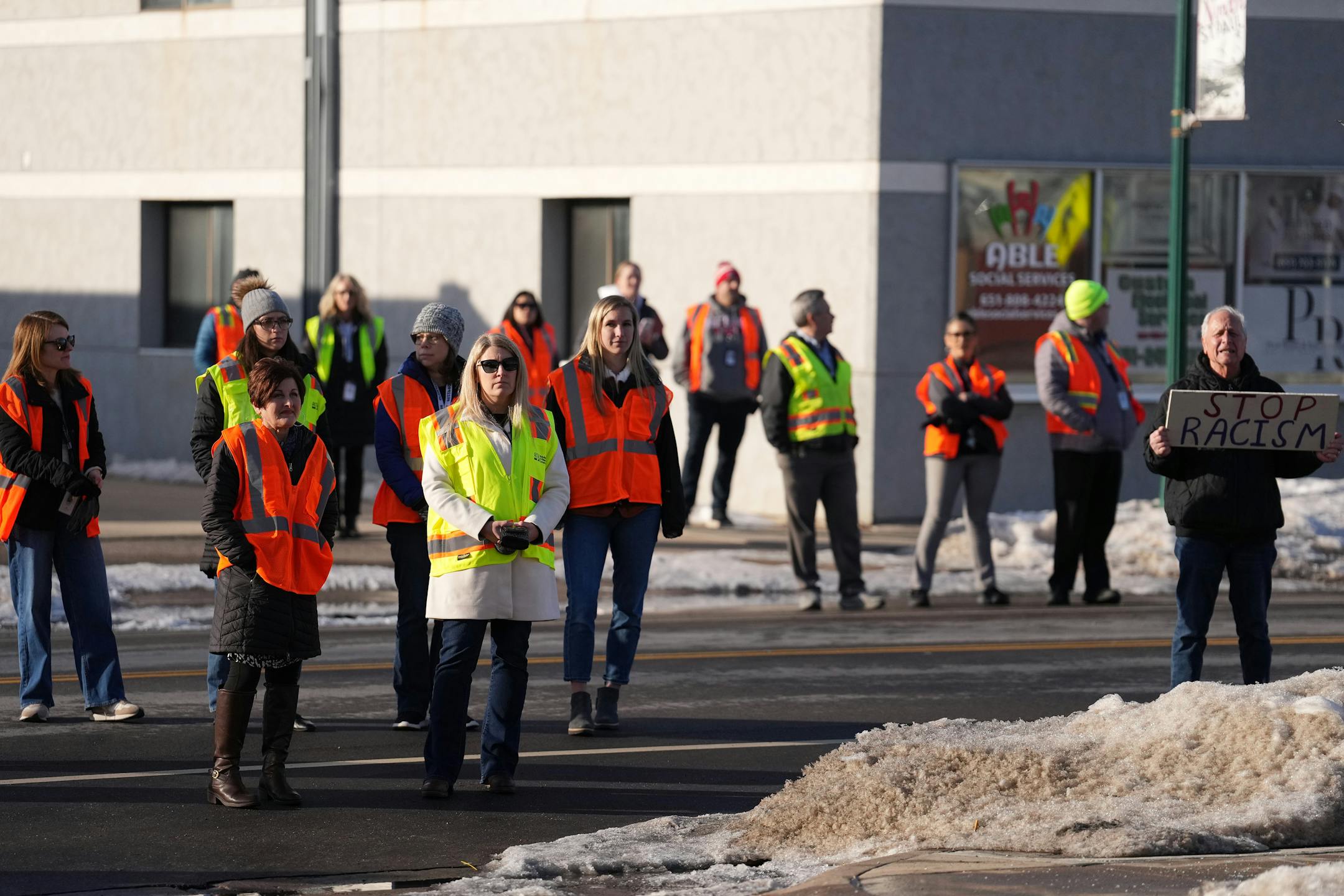
Children are once again paying the price. In recent weeks, fear generated by immigration enforcement and other federal actions in Minneapolis and surrounding communities has made something as ordinary as traveling to and from school feel dangerous. Parents are keeping children home. Students are distracted and traumatized. Schools — meant to be places of safety, stability and trust — have instead become sites of anxiety. This is not a failure of families to value education. It is a rational response to an environment where safety can no longer be assumed.
Last week, I joined a group of lawyers in writing to Minnesota’s congressional delegation and the governor, urging them to deploy the National Guard to Minneapolis — not to escalate force, but to ensure that children can safely attend school in the face of federal hostility.
Some will reasonably worry that deploying the National Guard risks escalating tensions by placing two armed forces — state and federal — in uneasy proximity. That concern deserves to be taken seriously. But it misunderstands the role I am urging the Guard to play. The National Guard need not — and should not — function as an enforcement arm or a counterforce to federal agents. Its presence can instead be narrowly defined to secure school perimeters, stabilize routes to and from school and reassure families that education will not be interrupted by fear or violence. Properly constrained, the Guard’s role is not confrontation, but containment and calm.
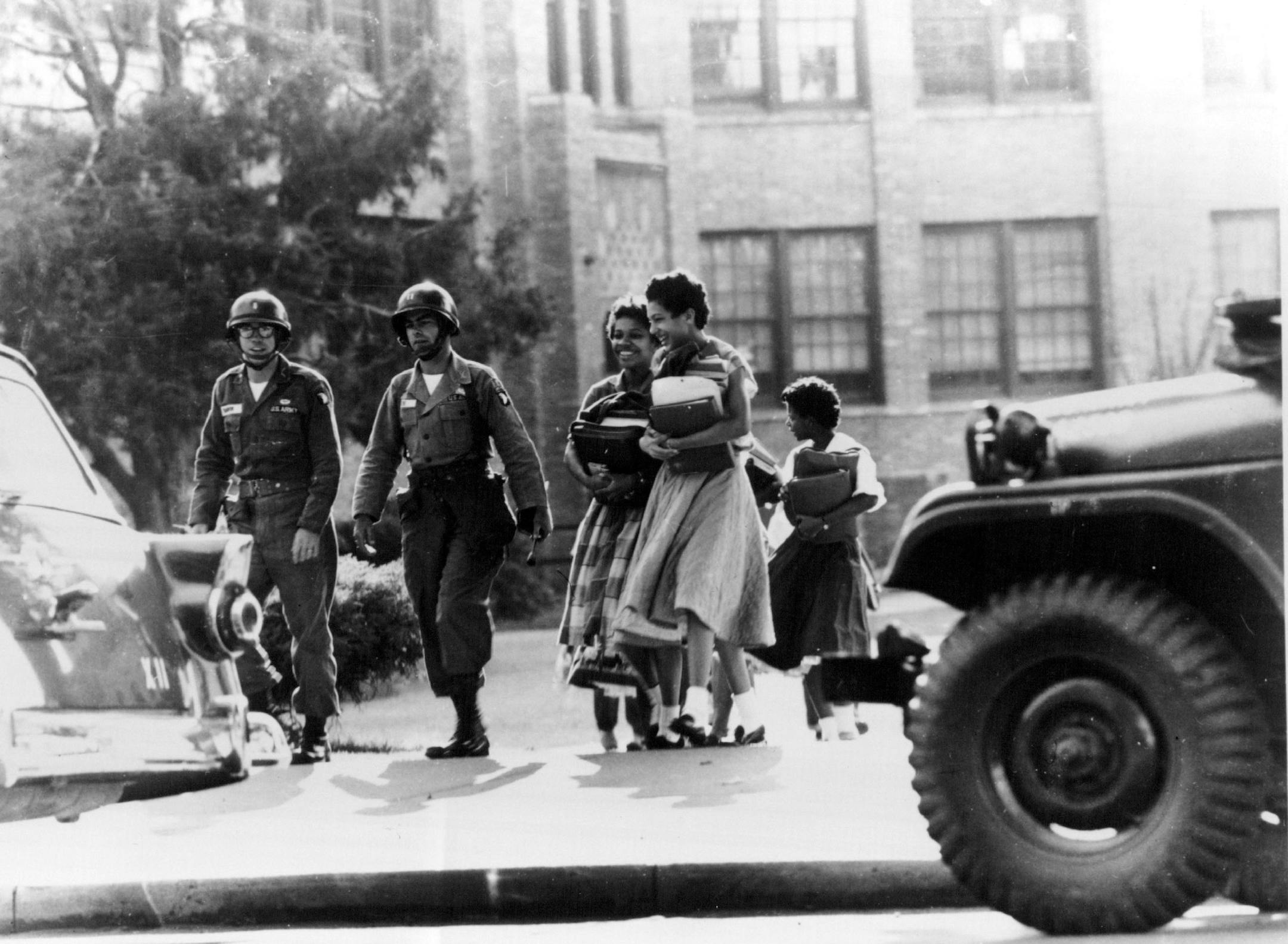
The historical parallel to Little Rock is not exact. In 1957, the Arkansas National Guard was ultimately federalized to enforce desegregation against state resistance. Today, the Guard would operate conventionally under state authority — not to impose federal will, but to shield children from its collateral consequences. The distinction matters. But so does the throughline that when ordinary schooling becomes unsafe, the government bears responsibility to act.


