

Opinion editor's note: Star Tribune Opinion publishes a mix of national and local commentaries online and in print each day. (To contribute, click here.) This article is a response to Star Tribune Opinion's June 4 call for submissions on the question: "Where does Minnesota go from here?" Read the full collection of responses here.
•••
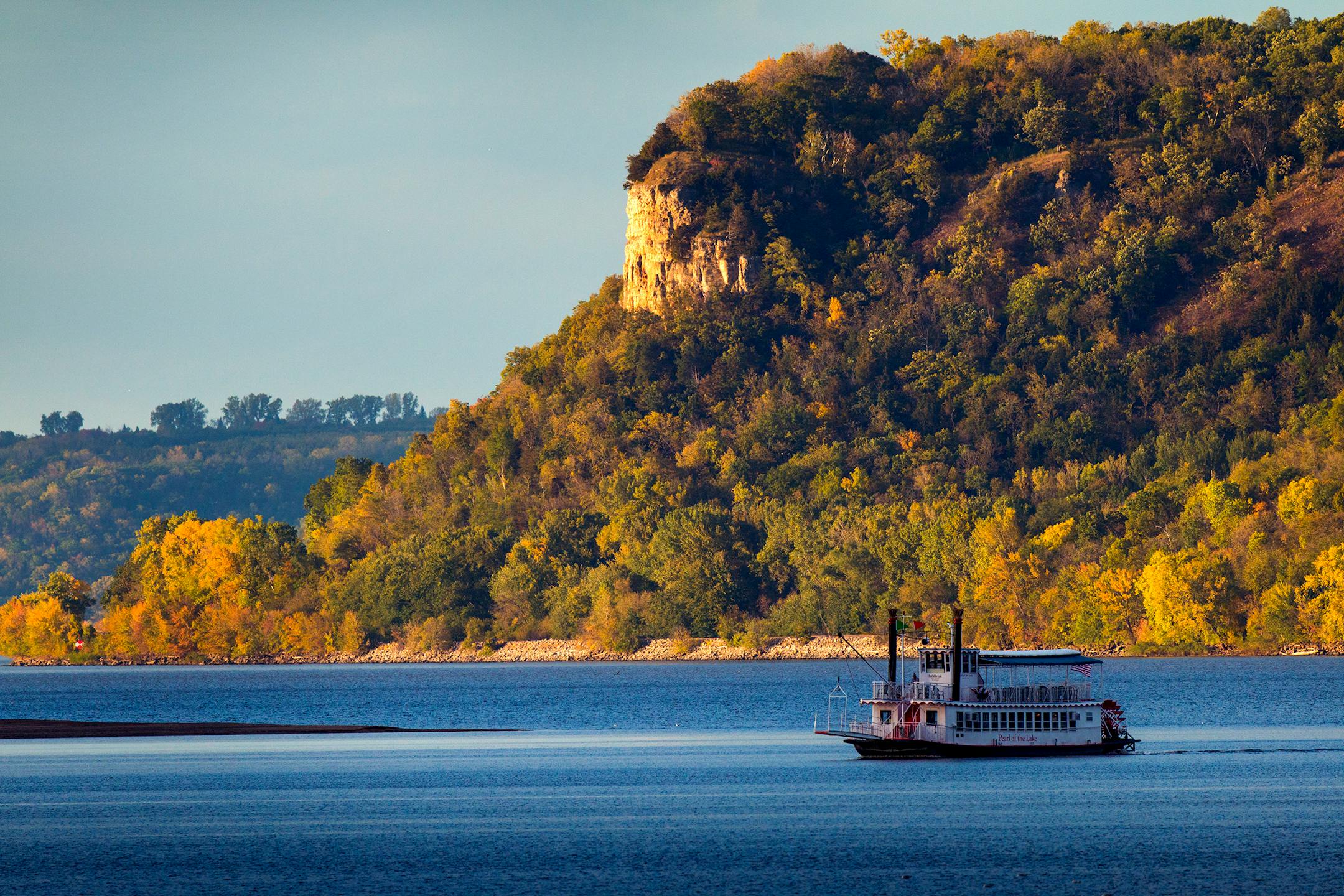
I grew up in a small community in southeastern Minnesota, situated alongside Lake Pepin, an expanse of the Mississippi River created by the towering bluffs of the "driftless" region and the damming effect of sand at the confluence with the Chippewa River.
Lake Pepin is not actually a "lake" but rather a natural basin extending approximately 35 miles in length and two miles across at some points, an expanse unlike any other stretch of the river. Even while living elsewhere for many years, I always appreciated the singular beauty of the Lake Pepin river valley compared to other parts of the country. Now that I am living alongside her again, I am reminded daily of the splendor of Lake Pepin, with the majestic Maiden Rock bluff and the equally majestic Seven Sisters bluffs standing watch over the river. Unfortunately, I am also more aware of growing threats to her existence.
Lake Pepin is a recreational mecca; scores of fishing boats, sailboats, pontoon boats and more ply the waters, along with commercial barge tows running the gauntlet from St. Paul to New Orleans and back again. Nothing makes me happier than to hear the squealing laughter of children being towed on a tube behind a boat. Anglers from all over spend hours pursuing game fish, including walleye, bass and northern pike. They come back in winter to pursue their sport through the ice, to the amazement of friends not acquainted with life in a northern climate.
In my lifetime, huge strides have been made to clean up the river, principally by limiting, if not eliminating, untreated waste water flows. In my younger years, swimming in Lake Pepin was frequently disrupted by explosive algae blooms. Thanks to the combined efforts of many and many millions spent to upgrade wastewater facilities, algae blooms are now less frequent and severe.
Despite these improvements, there is a canary in the Lake Pepin "coal mine" — several actually. Unchecked siltation is inexorably reducing the navigable channel and myriad bays of Lake Pepin to the point that commercial barge traffic and the nascent river cruise industry is literally being brought to a halt. In addition, invasive carp continue their below-the-surface invasion of the river, threatening a world-class fishery and tourism industry so important to southeastern Minnesota and corresponding parts of Wisconsin.
To address the channel disruption caused by siltation, the U.S. Army Corps of Engineers deploys dredging barges and constructs enormous sand dunes — the latter being a source of recreation for many. Unfortunately, this Band-Aid approach is not keeping up with the siltation emanating from many sources, most notably the Minnesota River and all of its sources originating in western Minnesota. The simple truth is that without dramatic changes, Lake Pepin as we know it will, in time, cease to exist, reduced to a mere channel supporting commercial river traffic transiting north and south.


