

Opinion editor’s note: Strib Voices publishes a mix of guest commentaries online and in print each day. To contribute, click here.
•••
Our family fled Poland for America through Ellis Island in the early 20th century: Jews escaping a Europe that was already making clear, through pogroms and escalating persecution, that it intended to destroy them. One of us has stood at Ellis Island and seen our family’s names on the Wall of Honor. They got out. Millions did not. Within decades, two-thirds of Europe’s Jewish population would be systematically murdered. We do not invoke that history lightly, and we should not tolerate others invoking it recklessly.
In recent weeks, the Minnesota Star Tribune has published a series of letters and commentaries drawing parallels between the Holocaust and immigration enforcement in the Twin Cities — a thread sparked in part by Gov. Tim Walz’s remarks comparing Immigration and Customs Enforcement (ICE) to the Gestapo and Minneapolis children to Anne Frank. We’ll be blunt: Whatever their intentions, these comparisons are historically illiterate and antisemitic in effect. To weaponize the murder of 6 million Jews as a rhetorical device in a domestic policy debate is not compassion. It is exploitation. The U.S. immigration system has real problems that deserve serious discussion. But hijacking the Holocaust to make that case poisons the conversation.
The central premise of many of these comparisons, that Jewish refugees and today’s undocumented immigrants share a common experience, collapses under the most basic scrutiny.
Before the Immigration Act of 1924, the U.S. did not impose national-origin quotas. Between 1881 and 1924, approximately 2 million to 2.5 million Jews emigrated from Eastern Europe to America, and the overwhelming majority entered legally under the laws of the time. The primary case of organized unauthorized Jewish migration occurred in Aliyah Bet (Mandatory Palestine) under British restrictions, where an estimated 50,000 to 60,000 entered illegally between 1934 and 1948, compared with roughly 360,000 legal Jewish immigrants during the Mandate period. By contrast, Pew Research reports that approximately 25% of all immigrants, or between 11 million and 14 million people, are in the U.S. illegally. These are not comparable situations. The legal frameworks, the scale and the circumstances are fundamentally different.
These facts are not obscure, yet they are often absent from the conversation.
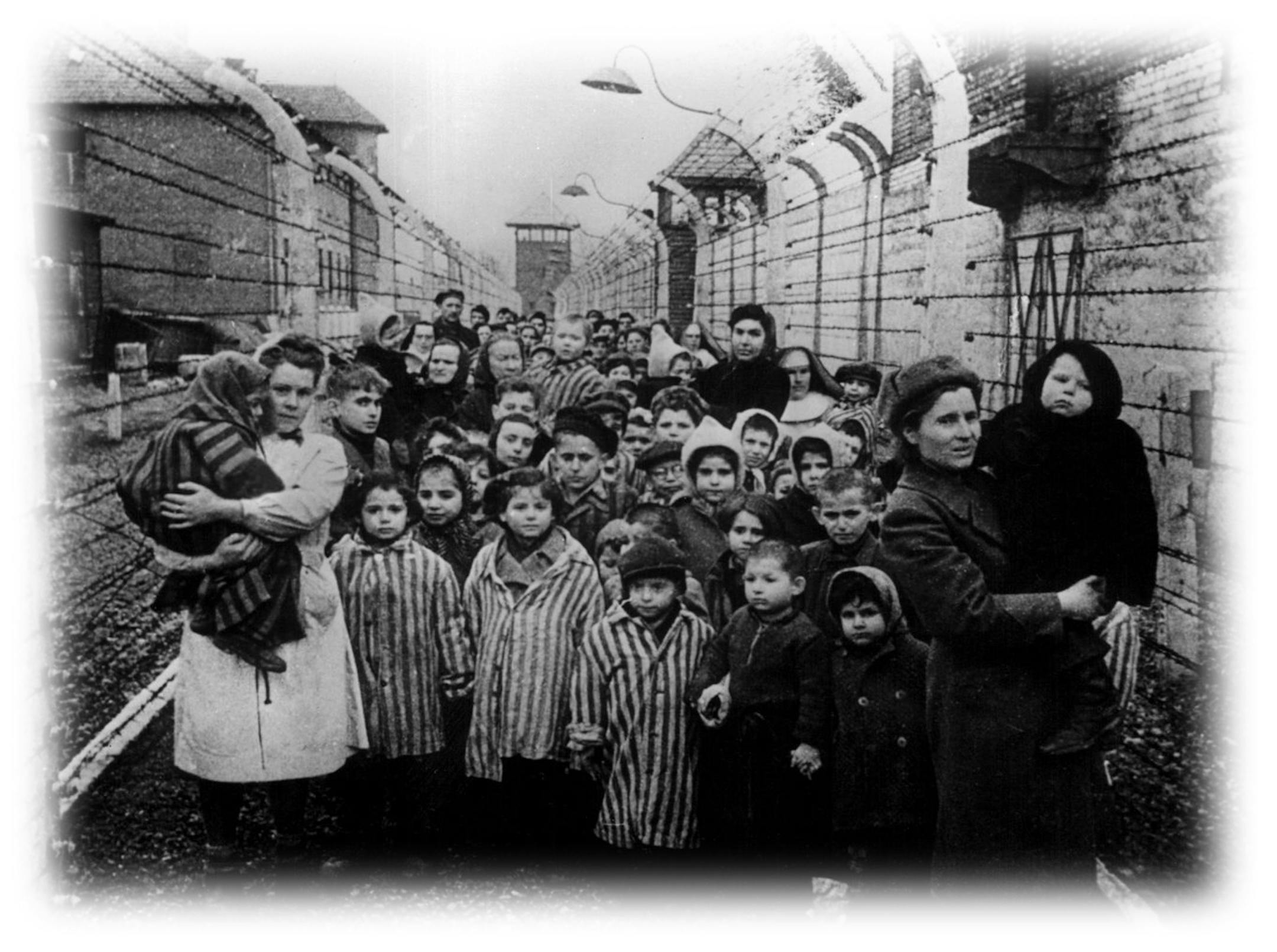
Now let’s remember what the Holocaust actually was, since it’s often used as little more than a talking point in the immigration debate. Between 1941 and 1945, Nazi Germany executed an industrialized campaign to eradicate the Jewish people from the face of the earth. Six million Jews were murdered — roughly one-third of the total number of Jews alive in the world. Approximately 1.5 million were children.


