

Opinion editor’s note: Strib Voices publishes a mix of guest commentaries online and in print each day. To contribute, click here.
•••
Unlike 38 other states, the Minnesota Legislature has studied, debated and ultimately rejected a multitude of proposals to expand gambling to include sports betting.
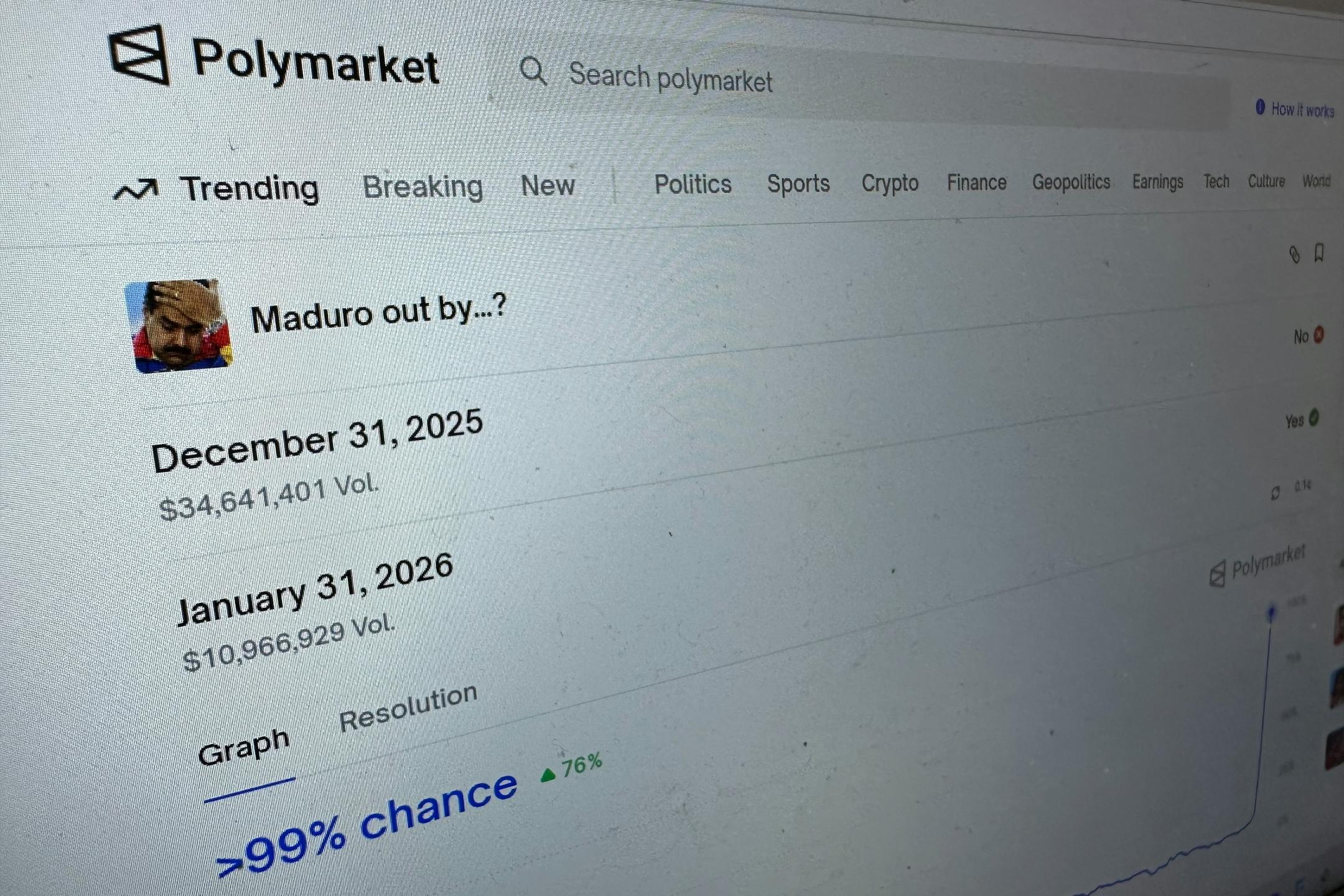
Recently, a new form of mobile sports betting boldly announced its arrival in Minnesota with an audacious advertising budget designed to attract gamblers. These new-to-Minnesota websites are commonly known as “prediction markets.”
What is a prediction market? Such markets originally emerged as a way for gamblers to wager on such ignoble occurrences as predicting deaths of famous individuals, or if/when the Federal Reserve will cut interest rates. Recently, they gamified the ongoing tragedy of a missing elderly mother in Arizona.
You’ve likely not heard of these two dominant platforms — the privately owned Kalshi and Polymarket. They’ve operated in a gambling “no man’s land” that now includes sports gambling mega-websites Draft Kings and Fan Duel, who saw the action these two prediction market websites racked up and joined the foray by partnering with their competitors to offer sports predictions in non-legal states like ours.
Why does this matter? In Minnesota it should concern all of us — prediction markets are a “wild west” of gambling that is virtually unregulated and that faces numerous legal and ethical challenges. Significantly, both gambling platforms have faced serious allegations of impropriety in nearly two dozen states that have launched lawsuits to curtail the wagering happening on these platforms.
It’s easy to see why Kalshi entered the sports betting industry — it’s reportedly “a market worth an estimated $18 billion.” These prediction market platforms are loosely regulated by the Commodity Futures Trading Commission, an obscure and small quasi-independent federal agency formed in 1974. Its original mission included monitoring derivatives markets and commodity futures exchanges.


