

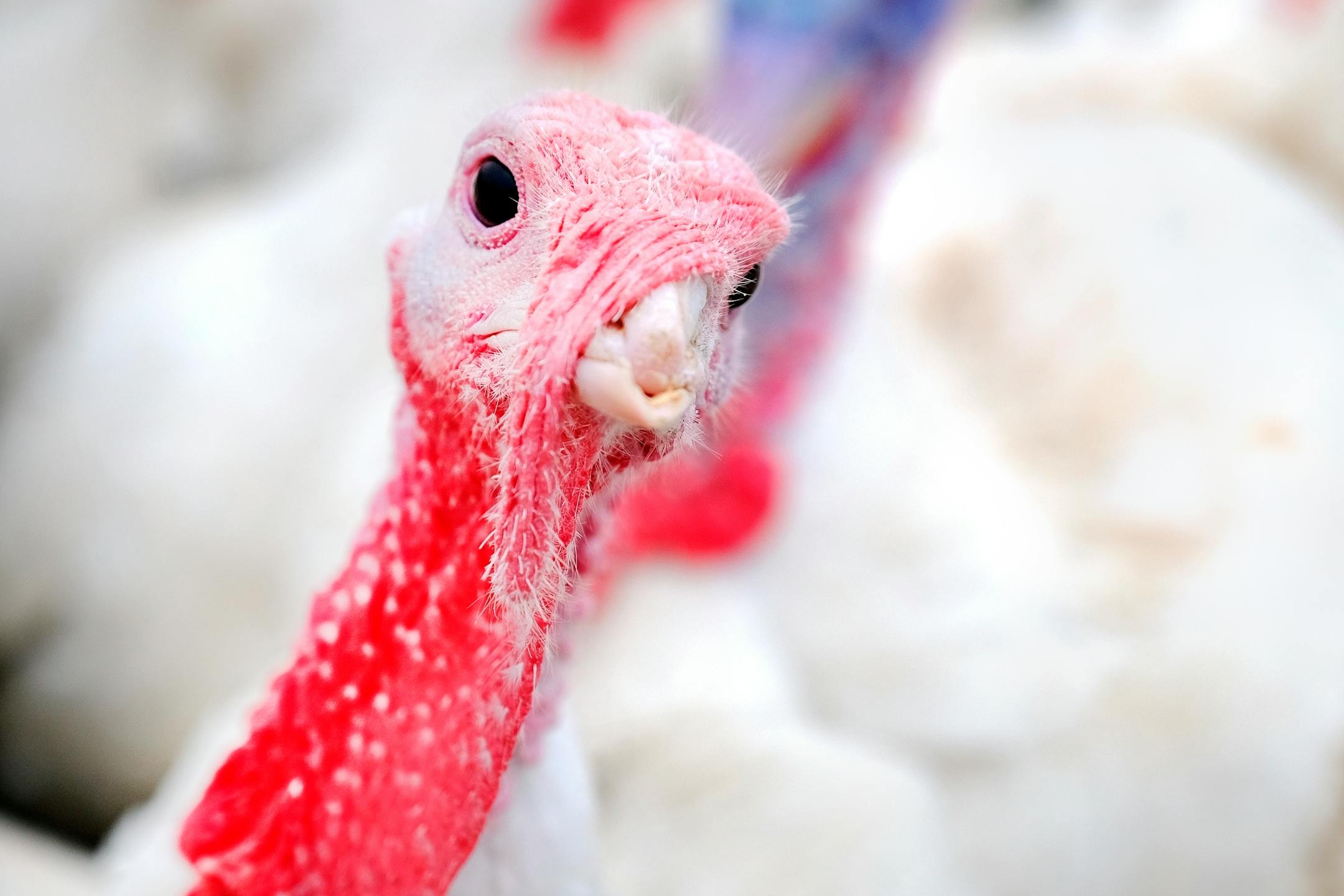
It may be a matter of when, not if, the latest wave of avian influenza infects Minnesota flocks.
The bigger question is whether it will be as devastating as the 2015 outbreak that caused the death of 9 million birds in Minnesota, the nation's leading turkey producer.
"There's really no way we can control the wild birds carrying the virus and where they might land," said Abby Neu Schuft, a poultry expert with University of Minnesota Extension. "What we can control is our actions and our biosecurity."
Cases of highly pathogenic avian influenza have infected commercial and backyard flocks in Iowa and South Dakota in recent weeks after first turning up in an Indiana turkey operation early in February.
The virus spreads easily among different bird species — chickens, turkeys, geese and bald eagles have all tested positive for the strain causing outbreaks — but it has not been detected in humans in the U.S.
"The risk to the general public's health from current H5N1 bird flu viruses is low, however some people may have job-related or recreational exposures to birds that put them at higher risk of infection," the CDC reported this week.
Still, Schuft said uncontrolled outbreaks could have far-reaching consequences. Biosecurity measures — like identifying lines of separation between clean and dirty areas and consistently using sterilizing procedures for people and equipment — can keep the virus from jumping from barn to barn and farm to farm.
"It's not just our commercial turkey industry," she said, as Minnesota is home to millions of chickens and is a leading pheasant producer. "The risk is real for everybody."


