

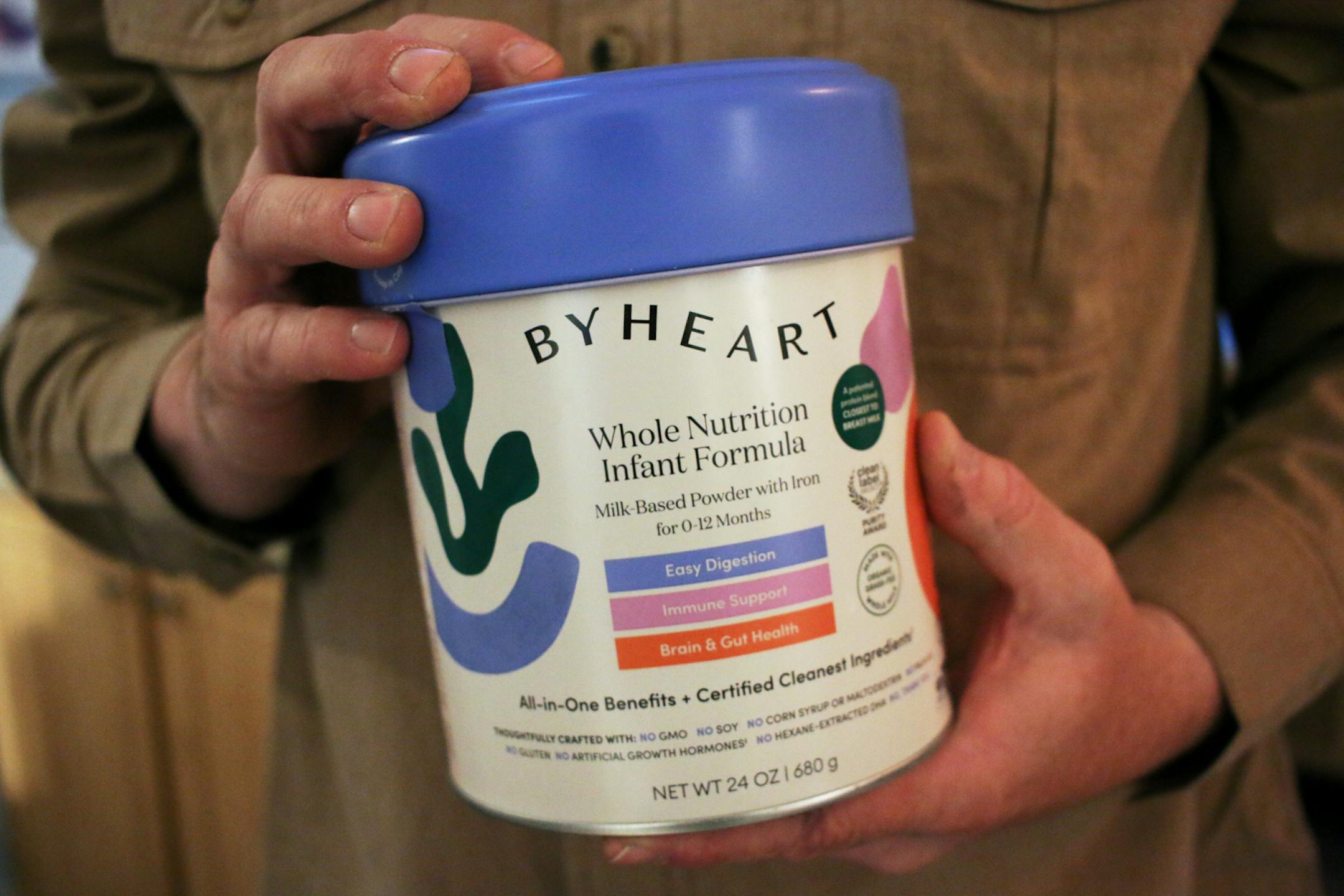
A Plymouth mother and father are suing baby formula maker ByHeart, alleging the New York-based manufacturer of a now-recalled product is responsible for a rare case of botulism that has hospitalized their 3-month-old daughter.
Colin and Jennifer Flowers said in their lawsuit, filed in U.S. District Court on Wednesday, that their second child suffered “alarming neurological symptoms” after consuming the formula and that they rushed the infant to an emergency room Nov. 11. She received an emergency antitoxin medication the next day, but continued to be lethargic and withdrawn. She remained hospitalized Friday.

“I am absolutely frustrated and angry,” her mother said in a phone interview from her daughter’s hospital room. “I have definitely felt helpless. I can’t soothe my child in the same way I was able to before.”
Botulism is a rare disease caused by a toxin released from bacteria that attacks the body’s nerves and can cause breathing problems or paralysis. A surge of cases starting in August prompted public health investigations, which over time found 31 sickened infants had consumed ByHeart formula. Two of the cases were discovered in Minnesota, where the formula was widely available online and at major retail outlets.
The Flowers’ lawsuit said their daughter suffered “worsening muscle tone, which included facial paralysis, muscle weakness, difficulty breathing, and other marked symptoms.” Her pupils weren’t reacting to light, prompting her doctors to order multiple tests and ultimately call for an antitoxin drug called BabyBIG to be flown from California.
The drug stopped the toxin from spreading, but didn’t reverse the immediate damage, her mother said. Doctors expect the infant to recover, slowly, but she still needs a feeding tube to receive adequate nutrition, the mother added.
“We want answers,” she said, “and we want to protect other children.”
ByHeart in a written statement on Friday declined comment about the lawsuit. The company on Wednesday disclosed that a contract lab had found the bacteria that caused botulism in unopened cans.


