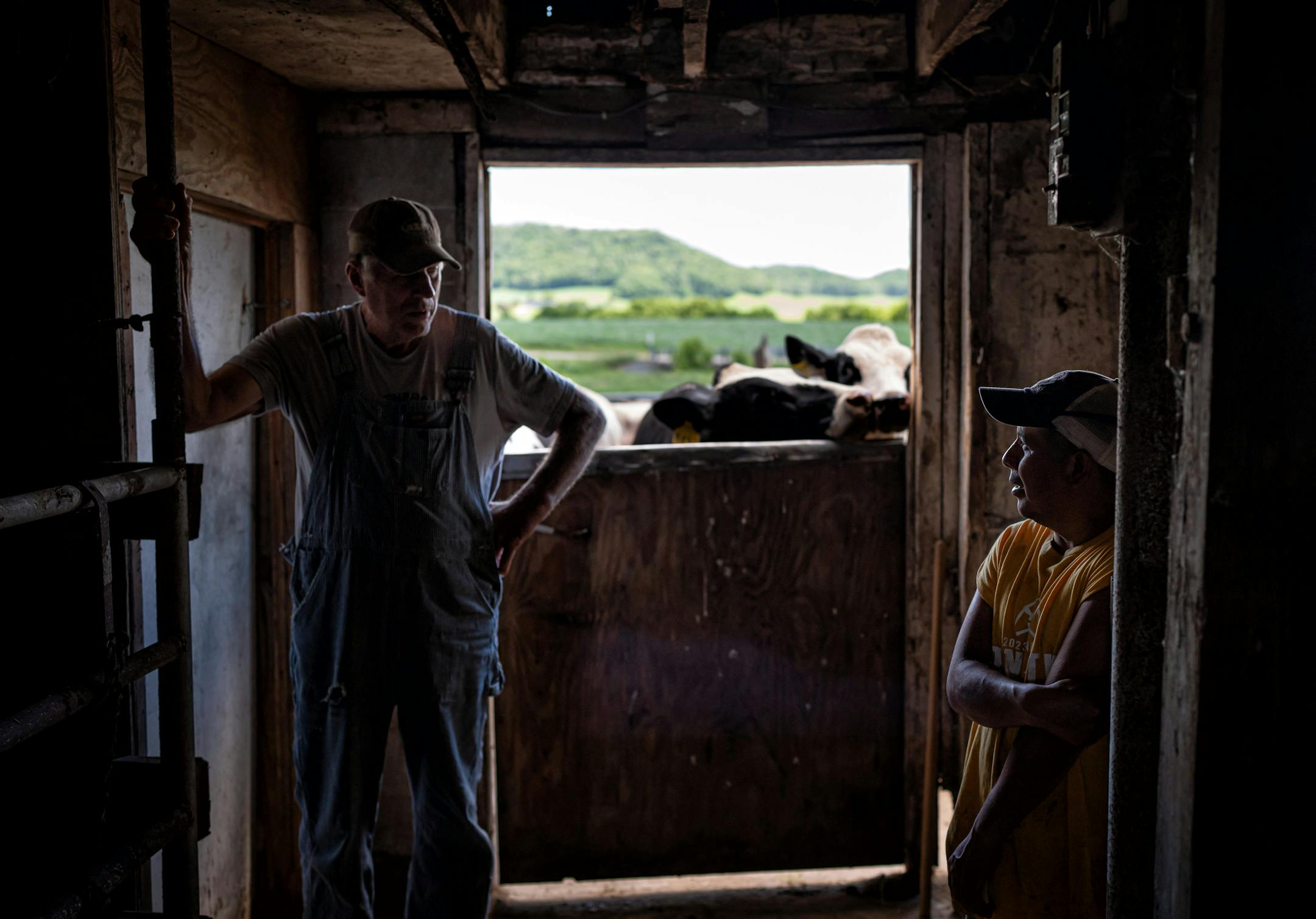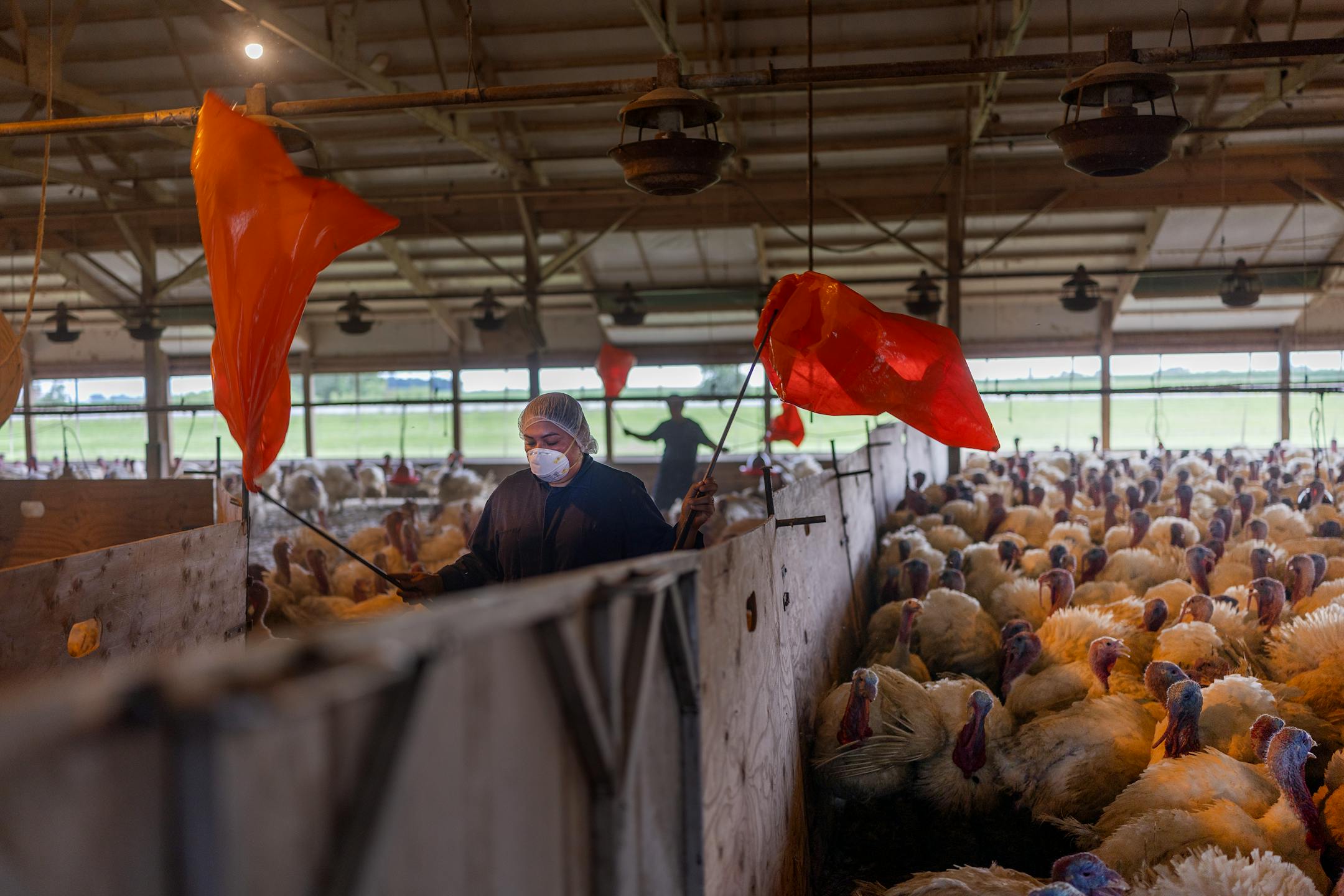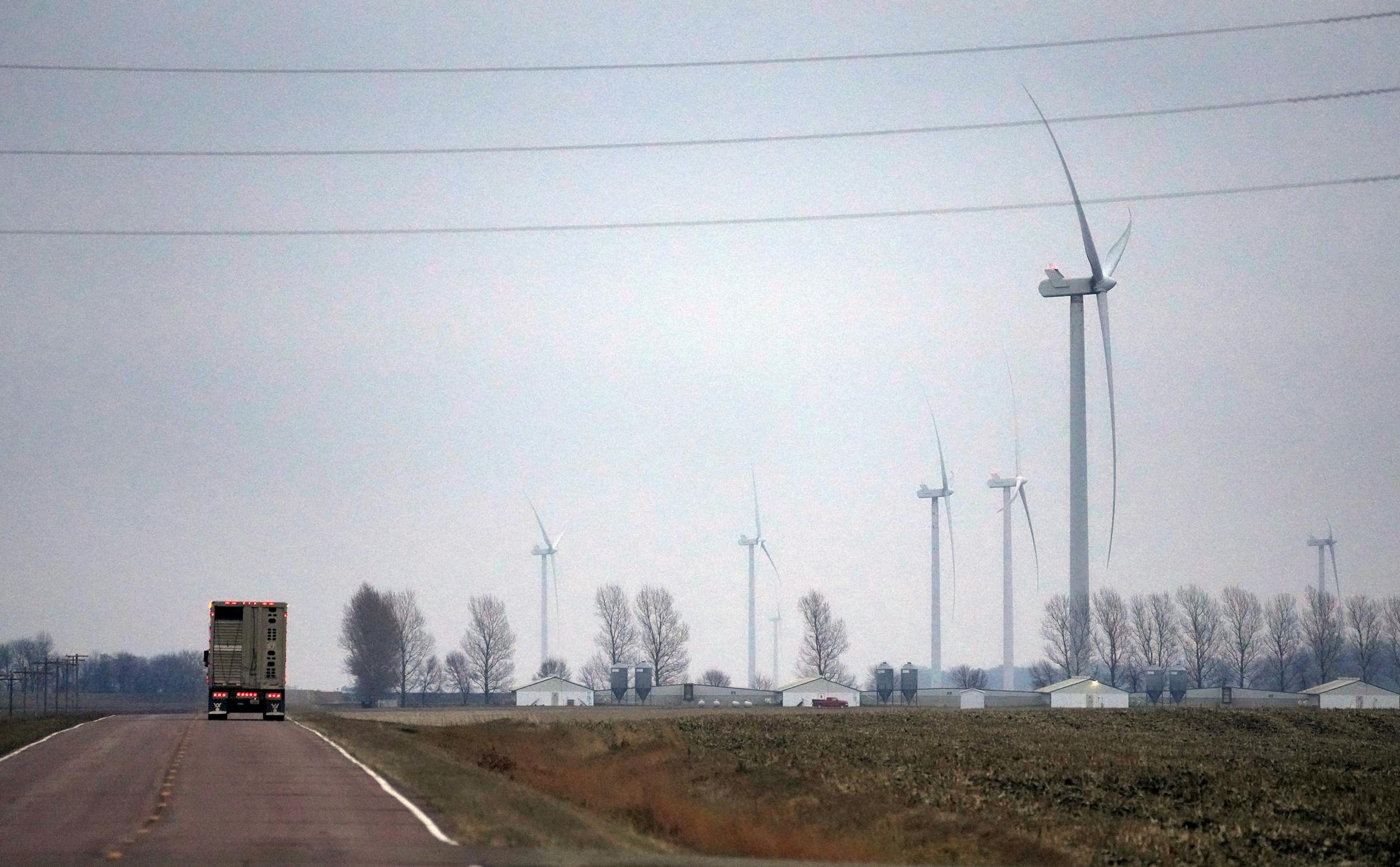
Minnesota farmers are worried they won’t have enough hands to tend livestock and manage crops this year, a consequence of ongoing federal immigration enforcement in the state targeting undocumented workers from Latin America who keep U.S. agriculture churning.
While the thousands of Immigration and Customs Enforcement (ICE) agents who’ve descended on Minnesota have focused on the Twin Cities, rural communities are feeling their presence, too.
ICE has recently raided dairy farms, according to farmers and industry leaders, and crop growers are worried they won’t have enough temporary visa holders to work the fields come spring.
The immigration enforcement has created a climate of fear among both undocumented and documented workers, and made farmers unsure if they’ll survive the growing season.
Even before Operation Metro Surge began in December, ag leaders like Land O’Lakes CEO Beth Ford warned that President Donald Trump’s hard stance on immigration could stoke a farm labor crisis. Workers were already in short supply, and the industry was grappling with the fallout from federal trade and agriculture policies that have reduced incomes and raised costs.
It’s difficult to track exactly how many foreign-born workers work on Minnesota farms each year, particularly those who are undocumented. Nationally, the majority of a total of about 1 million hired farmworkers are noncitizen immigrants, according to a KFF analysis.
Foreign-born workers make up about 10% of Minnesota’s total employment in the U.S. Census category that includes agriculture, though that only counts year-round employment. Federal data on seasonal H-2A visa holders shows more than 4,000 people traveled to Minnesota to work temporary agriculture jobs in 2024, a number that has dropped since Trump took office.
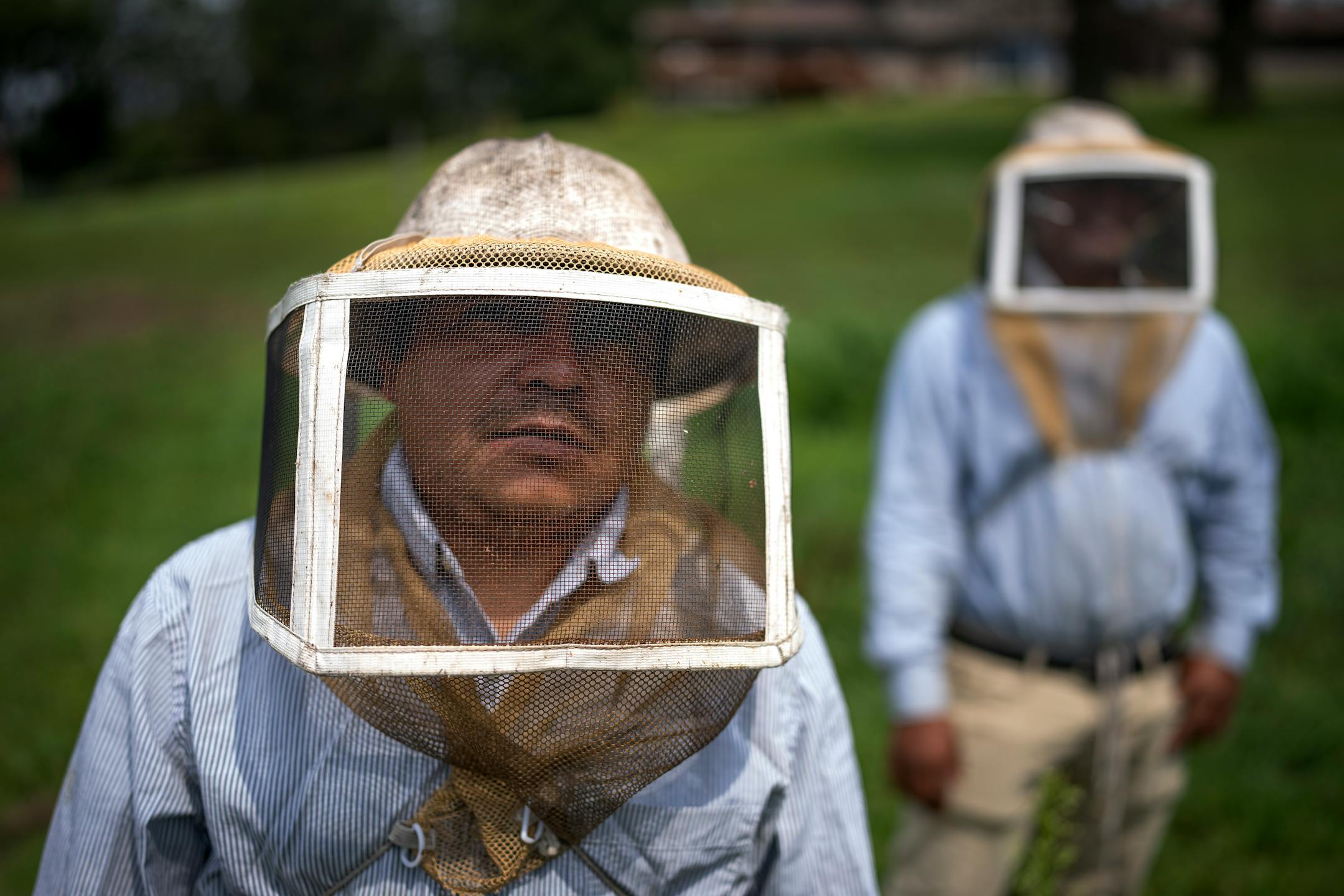
If people employed on farms are afraid to come to work, or if ICE were to detain and deport many of them, it could spell catastrophe for Minnesota farms across the global food supply chain.