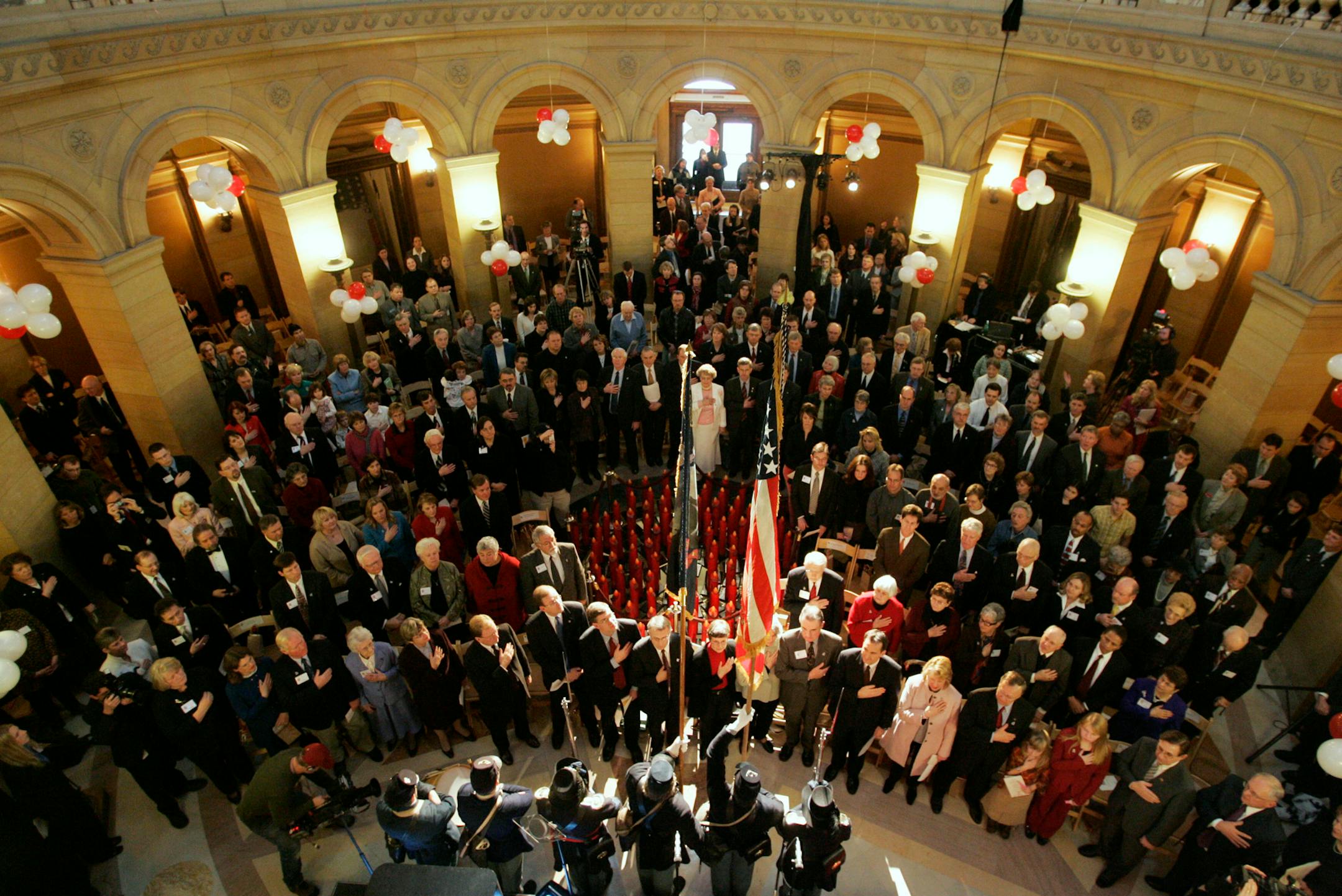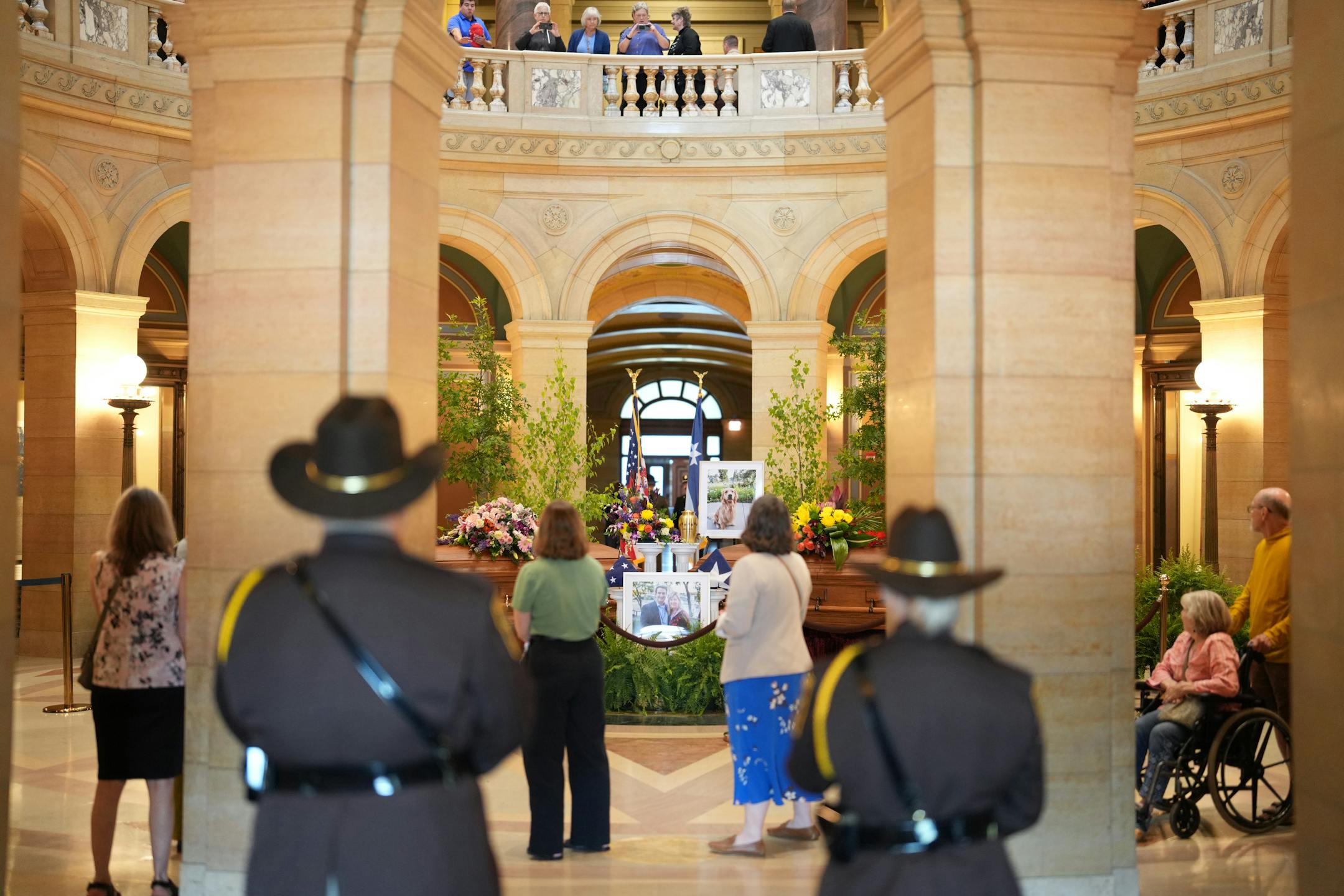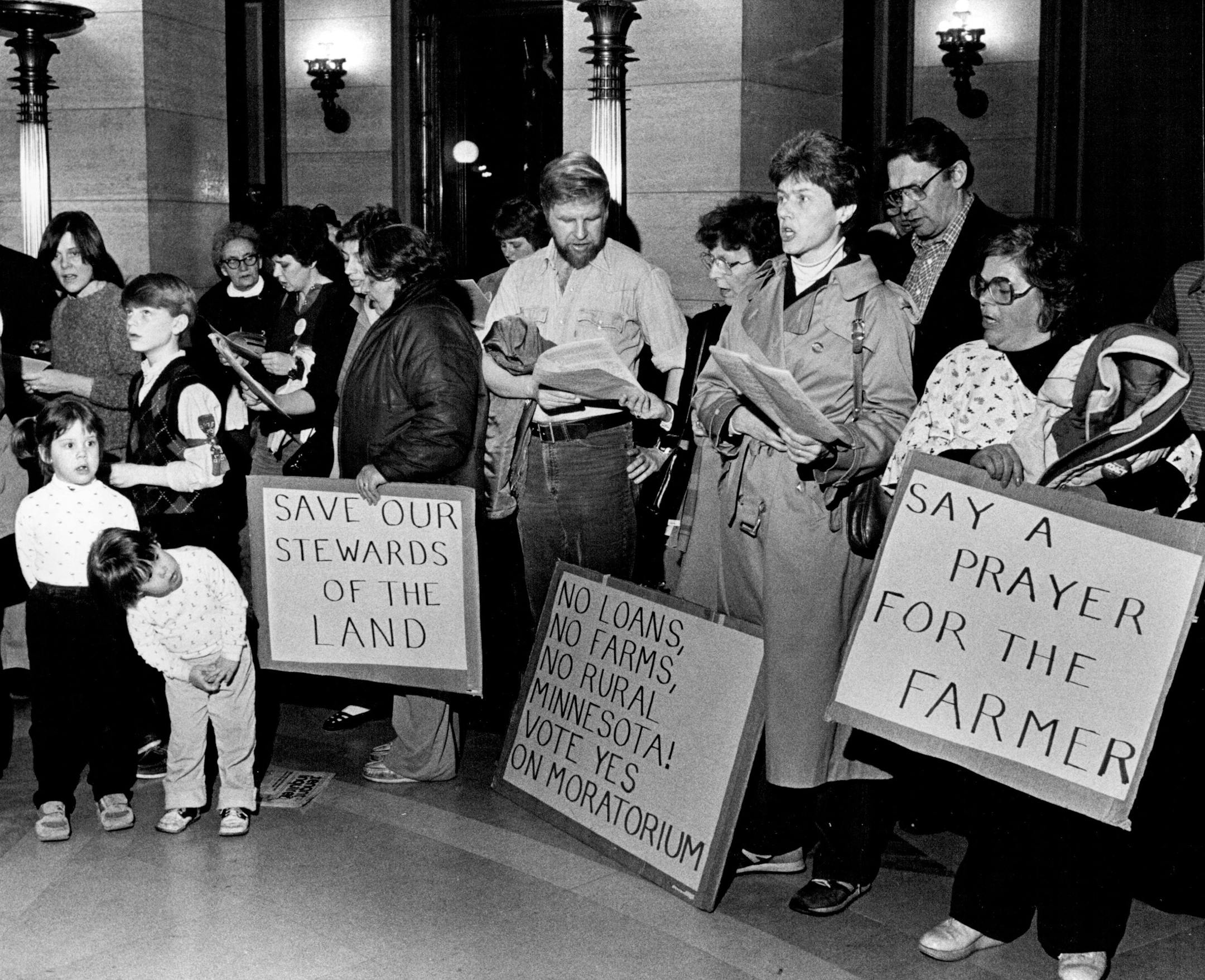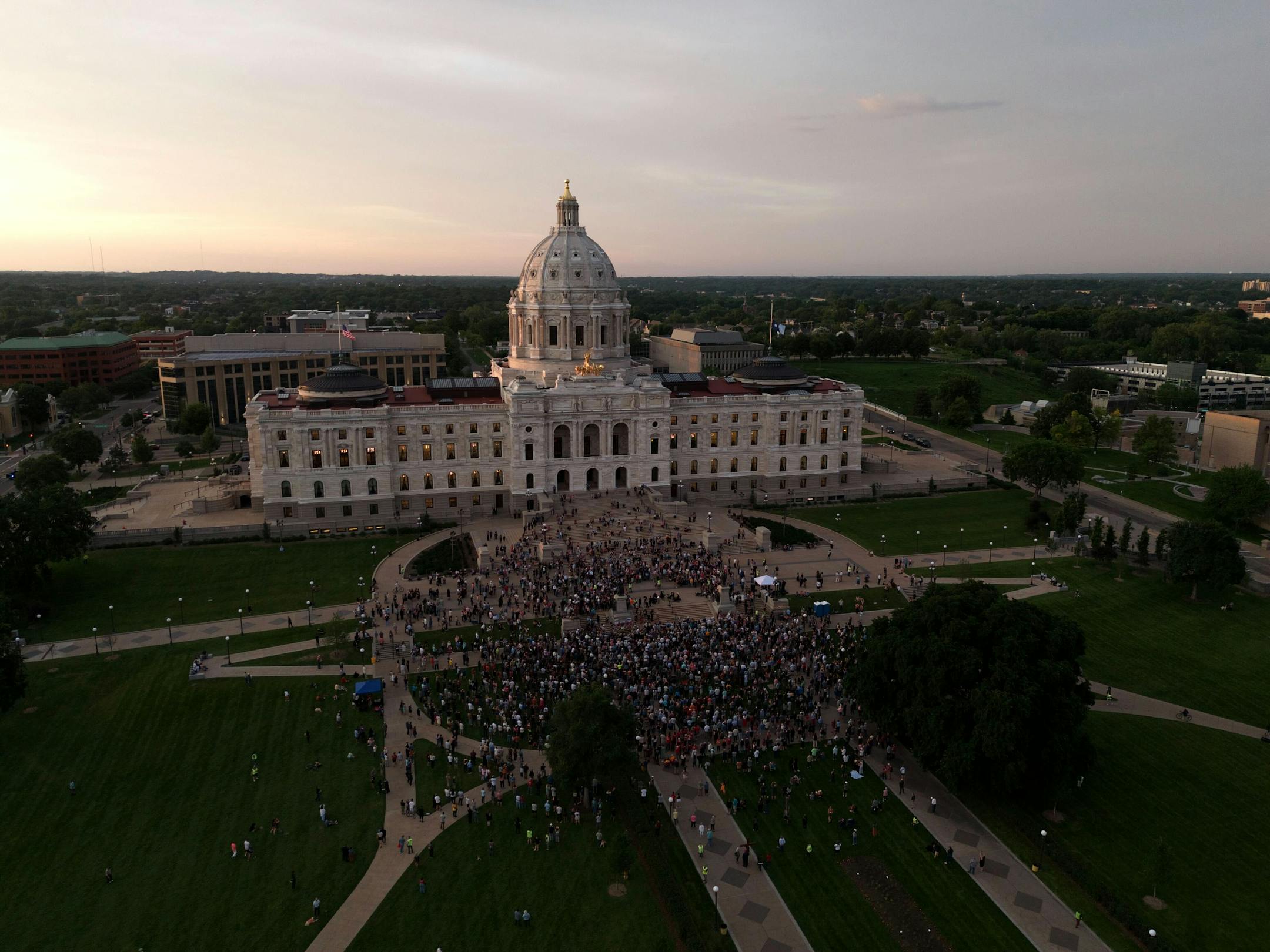
Minnesotans looking to praise, protest or petition their government have gathered at the State Capitol for more than a century.
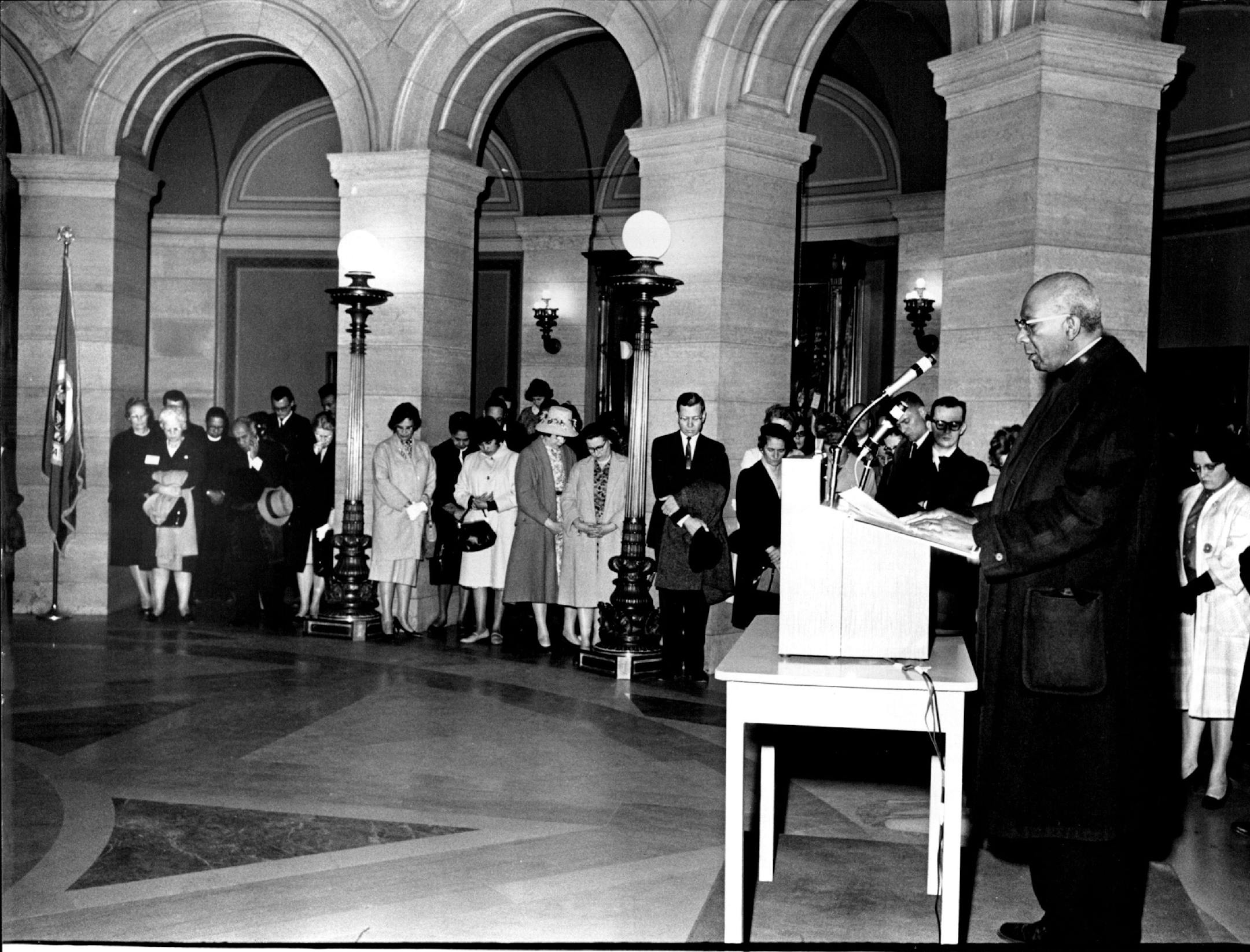
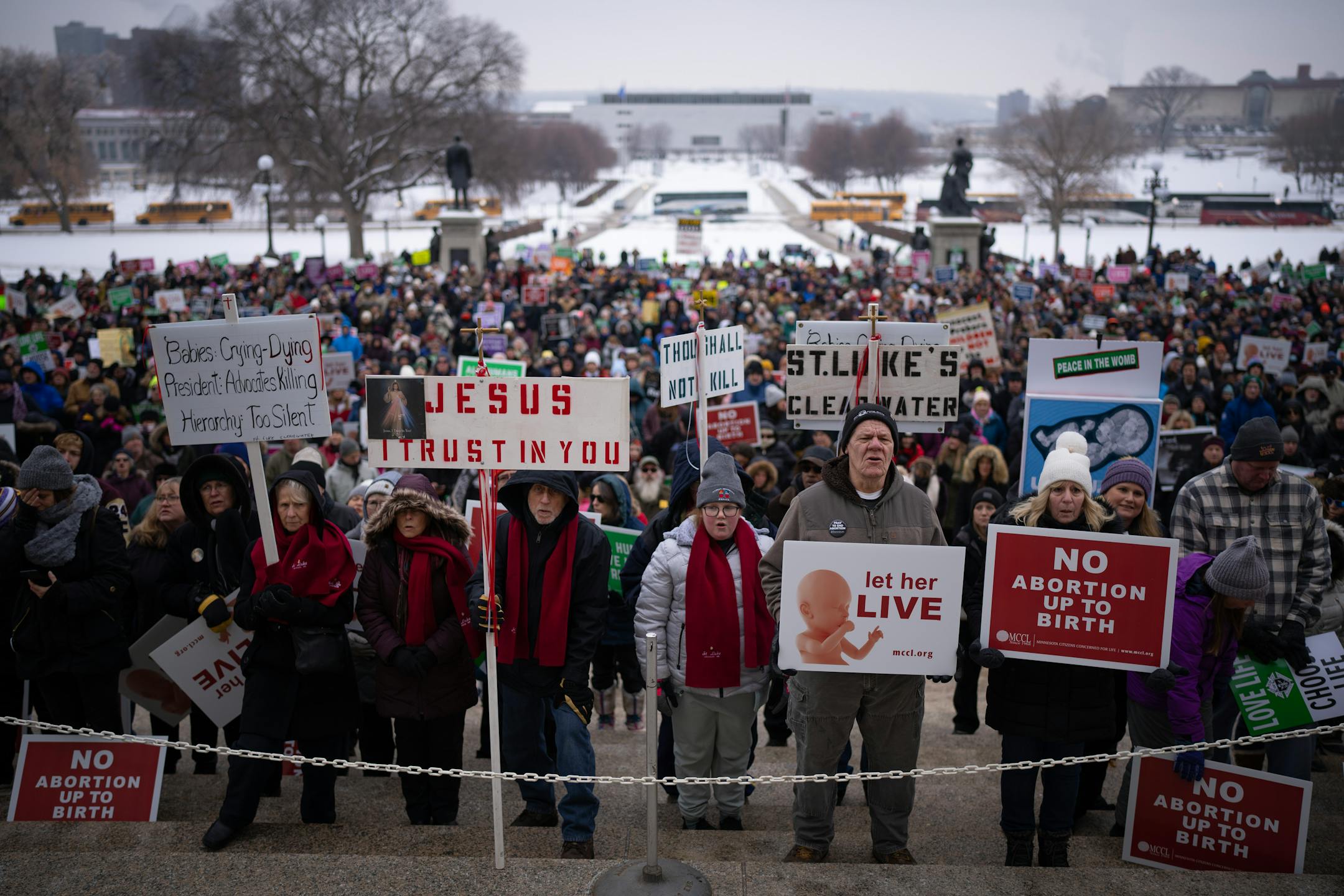
Farmers packed the rotunda during the Great Depression to demand farm aid. In 1964, Minnesotans gathered to pray as the U.S. Senate debated the Civil Rights Act. Anti-abortion activists gather every year to advocate for stricter policies.
“Rallies, demonstrations, press conferences,” said Brian Pease, historic site manager at the Capitol for the Minnesota Historical Society. “You name an event, it’s probably been held here.”
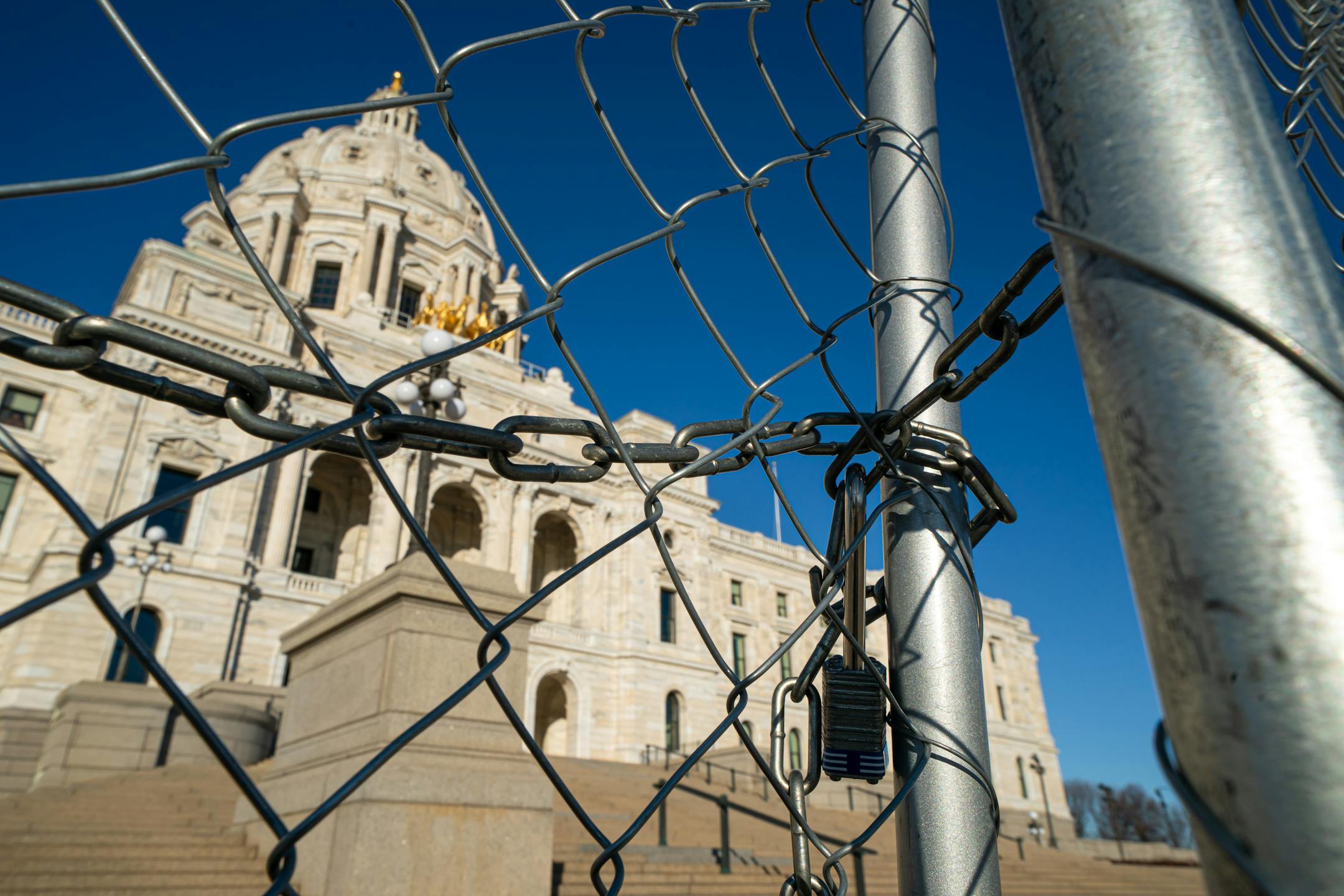
In all that time, nobody has walked through a permanent metal detector to enter the main spaces of the Capitol, a point of pride for many lawmakers and state residents. Increasingly, that makes Minnesota an anomaly.
The assassination of former House Speaker Melissa Hortman and her husband, and the shooting of Sen. John Hoffman and his wife have renewed a longstanding debate over access vs. safety in the seat of state government.
The relevance of those security concerns was highlighted again this weekend, when a man apparently experiencing mental health concerns was found in the Senate chamber, according to an email sent to legislators by House Chief Sergeant at Arms Lori Hodapp. She wrote that officials are investigating how the man, deemed to be nonthreatening, got into the building after hours.
When the committee that oversees Capitol security meets Aug. 20, conversations about metal detectors and other heightened security measures seem inevitable. Ramsey County Sheriff Bob Fletcher has already urged state leaders to add metal detectors and bag checks at the Capitol.
“This is ridiculous; why are we not a state that does this?” DFL Rep. John Huot told the Minnesota Star Tribune this month.