

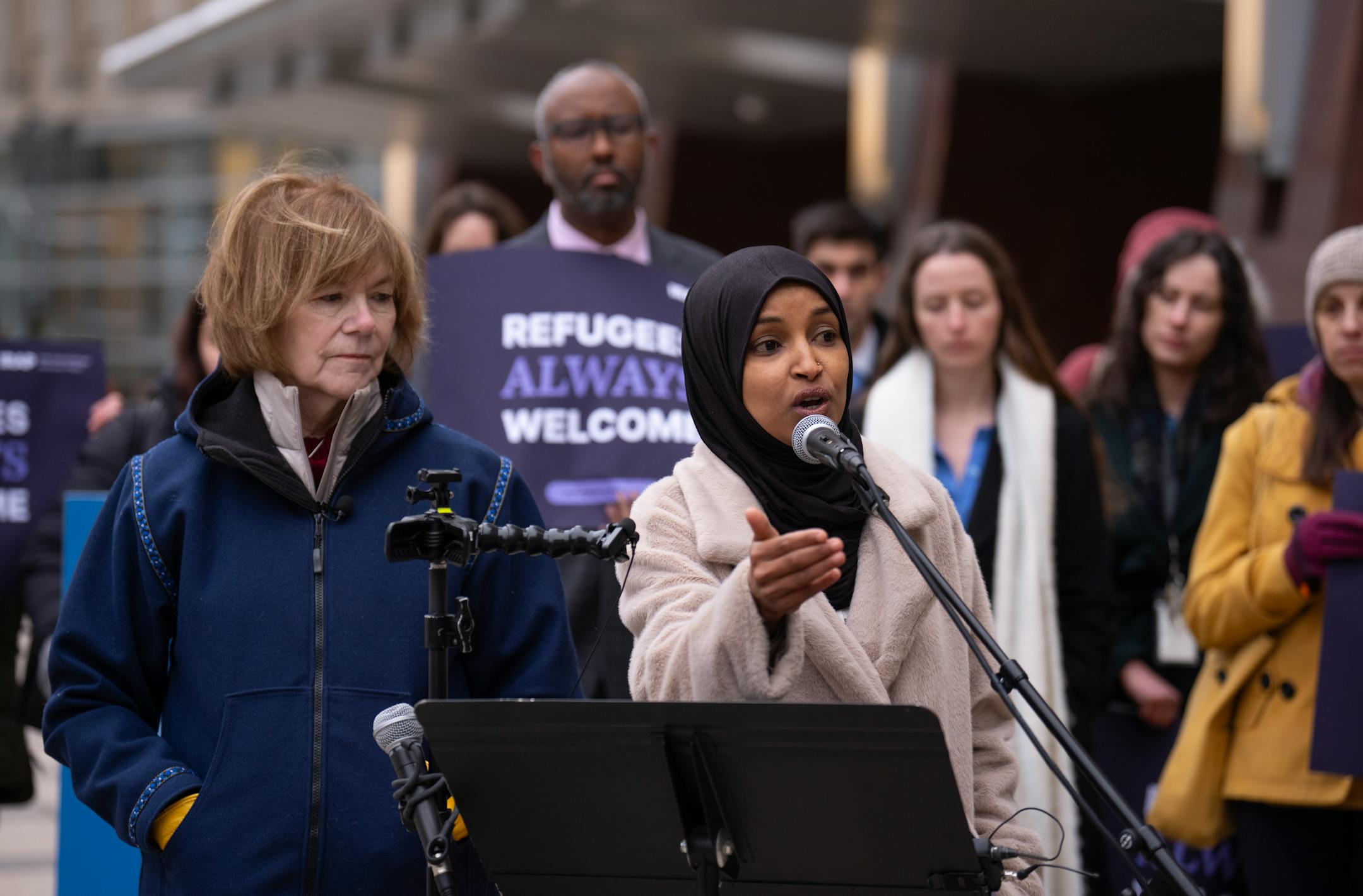
A federal judge is weighing whether to extend his order blocking the arrest and detention of Minnesota refugees legally admitted to the United States who await their green card.
At a hearing Thursday, U.S. District Judge John Tunheim heard arguments in U.S. District Court in Minneapolis in the class action lawsuit against federal officials over Operation PARRIS, a sweeping effort by the Department of Homeland Security to detain and “re-examine” refugees admitted to the United States legally but who have not yet received green cards. It applies to an estimated 5,600 Minnesota refugees.
Tunheim had temporarily prohibited federal agents from arresting and detaining refugees in a Jan. 28 order and called for the release of those currently in custody. His order expires Feb. 25.
Lawyers for the immigrants asked the judge to extend the order while the lawsuit proceeds. In court, the attorneys skewered the arrests as a violation of the Fourth Amendment, which protects against unlawful searches and seizures.
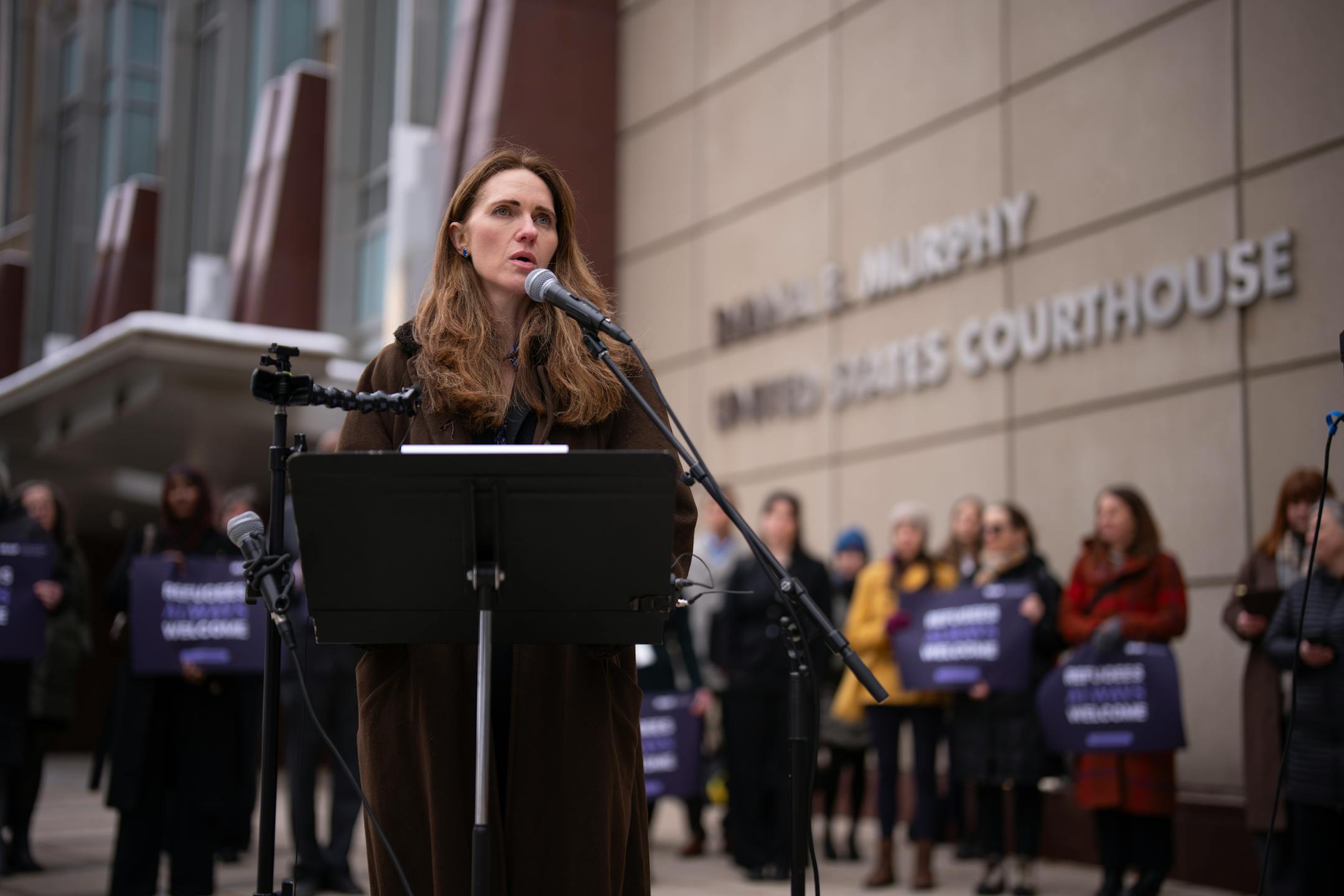
“These are warrantless, surprise arrests by law-abiding individuals who are approved to come into the country,” Michelle Drake said. Drake argued refugees already undergo extensive vetting before entering the United States.
“Their position is, ‘We didn’t vet enough, we should investigate more,’ ” she said.
The DHS on Jan. 9 announced the launch of Operation PARRIS, an acronym for “post-admission refugee reverification and integrity strengthening,” billing it as an operation that “demonstrates that the Trump administration will not stand idly by as the U.S. immigration system is weaponized by those seeking to defraud the American people.” The operation is part of the broader immigration crackdown by the Trump administration in Minnesota.
The lawsuit, representing five refugees by a consortium of legal groups that work on advancing the rights of immigrants, describes federal agents stopping the refugees on their way to work, knocking on their doors and detaining people without providing a chance to show their legal entry documentation. The suit describes agents transporting them to Texas and in some cases, releasing them without their IDs, money or a way to return home.


