
More tariffs could hit Minnesota medtech companies

Medical and optic equipment comprises Minnesota’s largest export category, and the state’s largest medtech companies have already reported tariffs costing millions of dollars.

The Minnesota Star Tribune
September 25, 2025 at 8:49PM
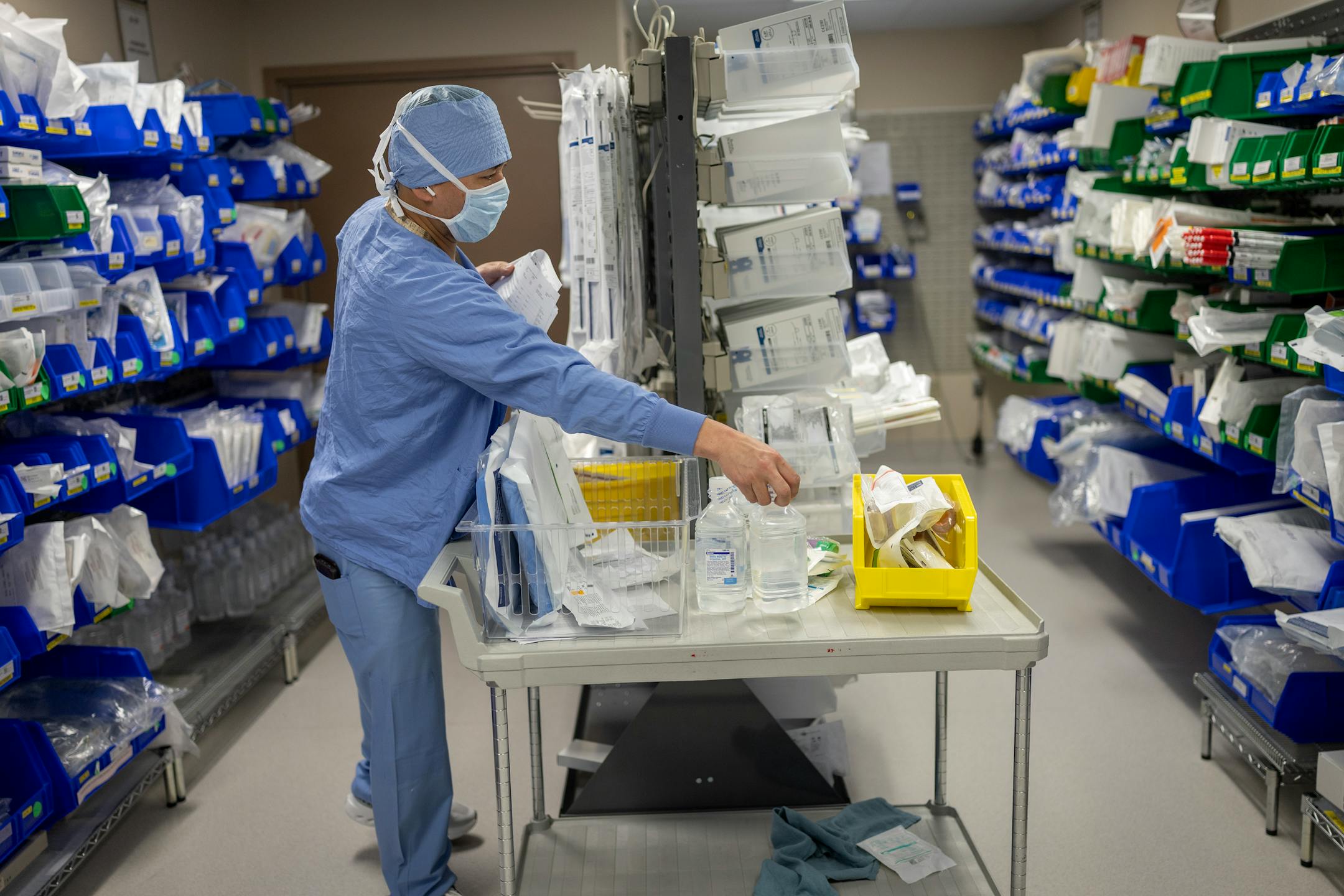
The CEO of the largest medtech trade group said American manufacturers make 70% of the products American hospitals and patients use. (Elizabeth Flores/The Minnesota Star Tribune)

Trade groups for medical technology companies are balking at the prospect that the federal government is considering additional tariffs on a large sector of the Minnesota economy already hammered by import taxes.

According to a notice posted this week in the Federal Register, the Commerce Department is investigating whether reliance on imported medical devices and low-tech health care supplies could threaten national security.

The Trump administration has often used import tariffs to pressure companies to move manufacturing operations to the U.S.

U.S. trade law allows the president to impose restrictions on imports or negotiate with trade partners if the commerce secretary determines the imports threaten national security. The ongoing probe could lead to tariffs beyond previously announced country-specific duties, raising the costs of device parts often made overseas.

Medtronic, Boston Scientific, Abbott Laboratories and other medtech companies with large Minnesota operations previously said existing tariffs could cost each of them hundreds of millions of dollars. But they lowered their estimates following trade talks between the White House and some countries.

Roberta Antoine Dressen, president and CEO of Medical Alley, said the trade group for Minnesota health care companies is “deeply concerned about the impact that tariffs on medical devices would have on patients and our health care delivery system.”

“Medical devices are critical to patient health,” Dressen said in a statement. “[Additional tariffs] would stifle innovation and have tangible implications on access, cost of care and delivery.

“We urge our federal leaders to adopt policies that strengthen U.S. manufacturing, while protecting timely, affordable access to lifesaving technologies.”

The Commerce Department investigation began on Sept. 2, but an unpublished disclosure of the probe initiated under the Trade Expansion Act of 1962 was posted to the Federal Register this week.

The national security probe ranges from products like gloves and gowns to pacemakers and insulin pumps. The notice said the Commerce Department is seeking public comments on, among other things, whether increasing domestic manufacturing could reduce reliance on imports, and the ability of foreign countries to use export restrictions to weaponize control over U.S. supplies.

The department is investigating pharmaceuticals under a separate probe, the notice said.

CEO Scott Whitaker of AdvaMed, the Washington, D.C.-based medtech trade group, said 70% of medical products used in U.S. hospitals are already made at manufacturing facilities in all 50 states. He said the federal investigation would actually find that lower tariffs would spur more growth in manufacturing and jobs.

“We believe this process will reinforce the fact that U.S. medtech manufacturing is strong,” Whitaker said.

about the writer

about the writer

Victor Stefanescu

Reporter

Victor Stefanescu covers medical technology startups and large companies such as Medtronic for the business section. He reports on new inventions, patients’ experiences with medical devices and the businesses behind med-tech in Minnesota.

See Moreicon

More from Business

See More
card image
Hormel headquarters in Austin, MN. ] GLEN STUBBE * gstubbe@startribune.com Friday September 11, 2015 Despite woes throughout the food industry, partly due to consumers turning away some from processed foods, Hormel has managed to continue prospering -- even though a good part of its business -- Spam, chili -- is about as processed as you can get. But the company's turkey and pork offerings are riding a hot protein trend. And over the past two years, it's made some of the biggest acquisitions in
