The liberal arts, once a cornerstone of higher education, have been on a slow but dramatic decline at Minnesota colleges and universities for two decades.
English majors in Minnesota have declined by 44% while ethnic and gender studies majors have dropped by more than half over the last 18 years. Meanwhile, health professions majors have ballooned by 613% and computer science majors have nearly tripled.
“In the public’s perception, there is a real question around, ‘What’s the value of the liberal arts?’” said Ascan Koerner, a communications professor in the College of Liberal Arts at the University of Minnesota, Twin Cities. “I think there is such a concern about the return on investment of a college degree.”
The decline in the liberal arts in Minnesota come as Americans reconsider what students should expect from a four-year degree as tuition costs and student debt keep climbing. And undergraduate students are choosing career-oriented majors they believe will make them more employable in a tight labor market.
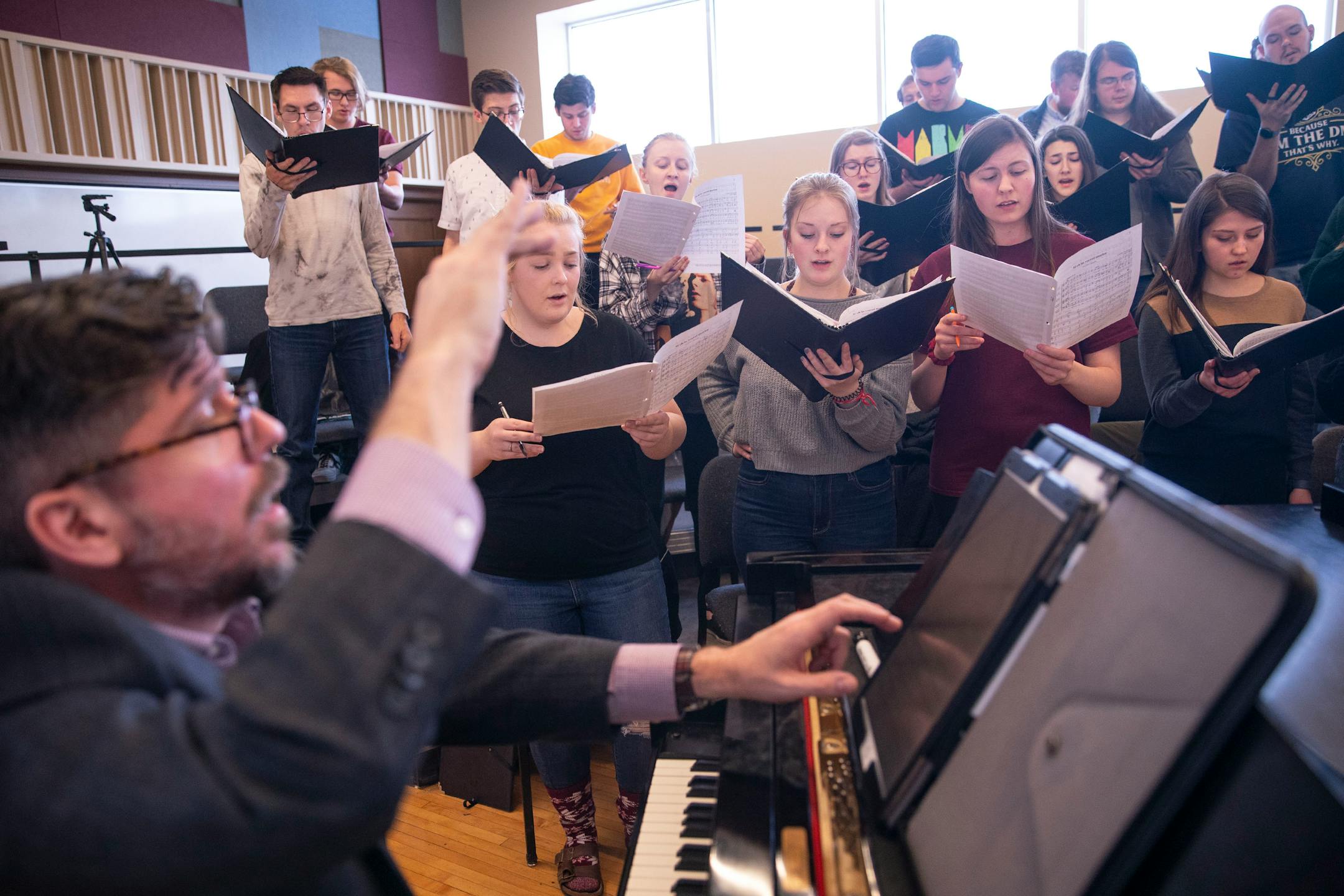
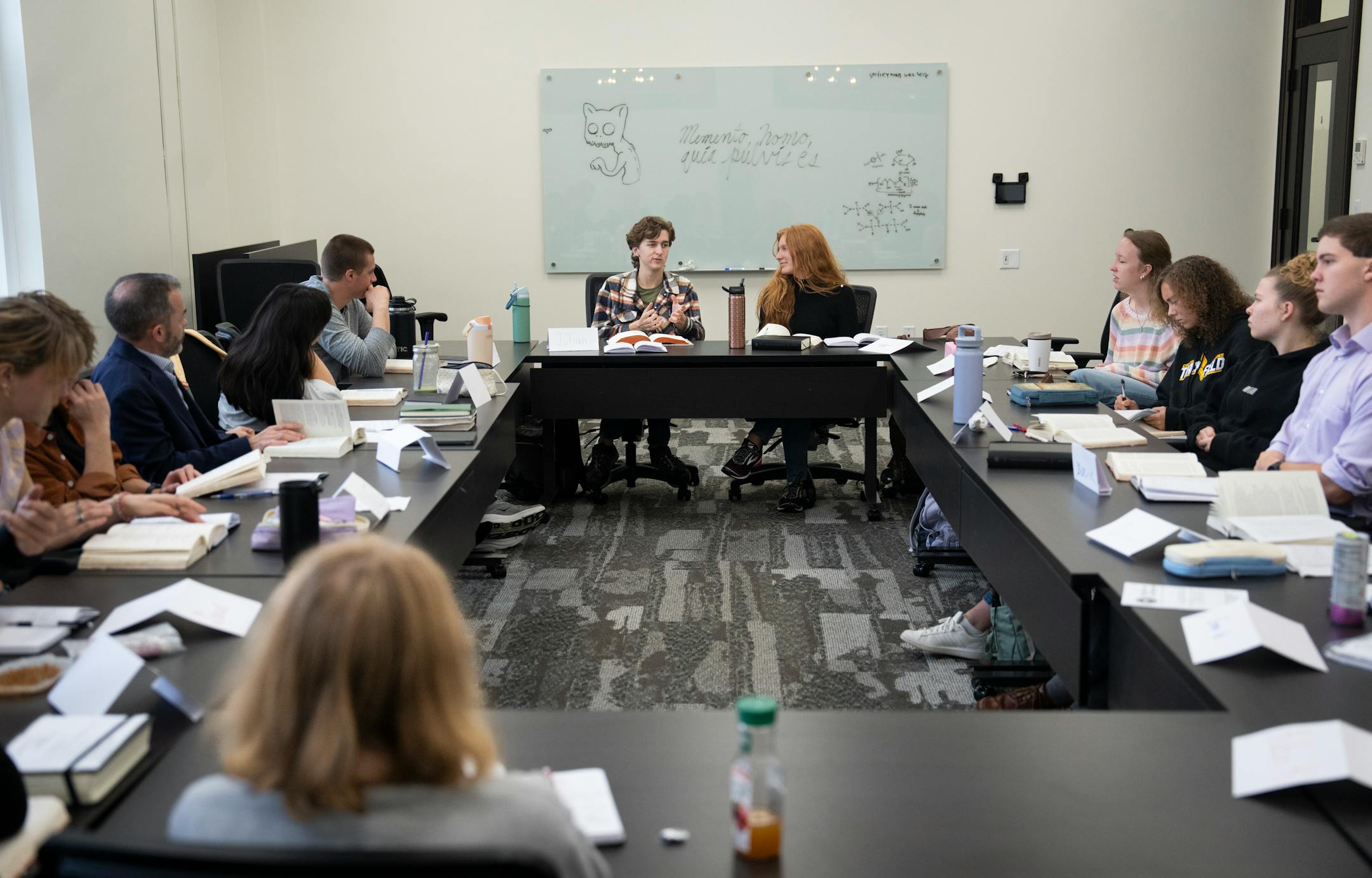
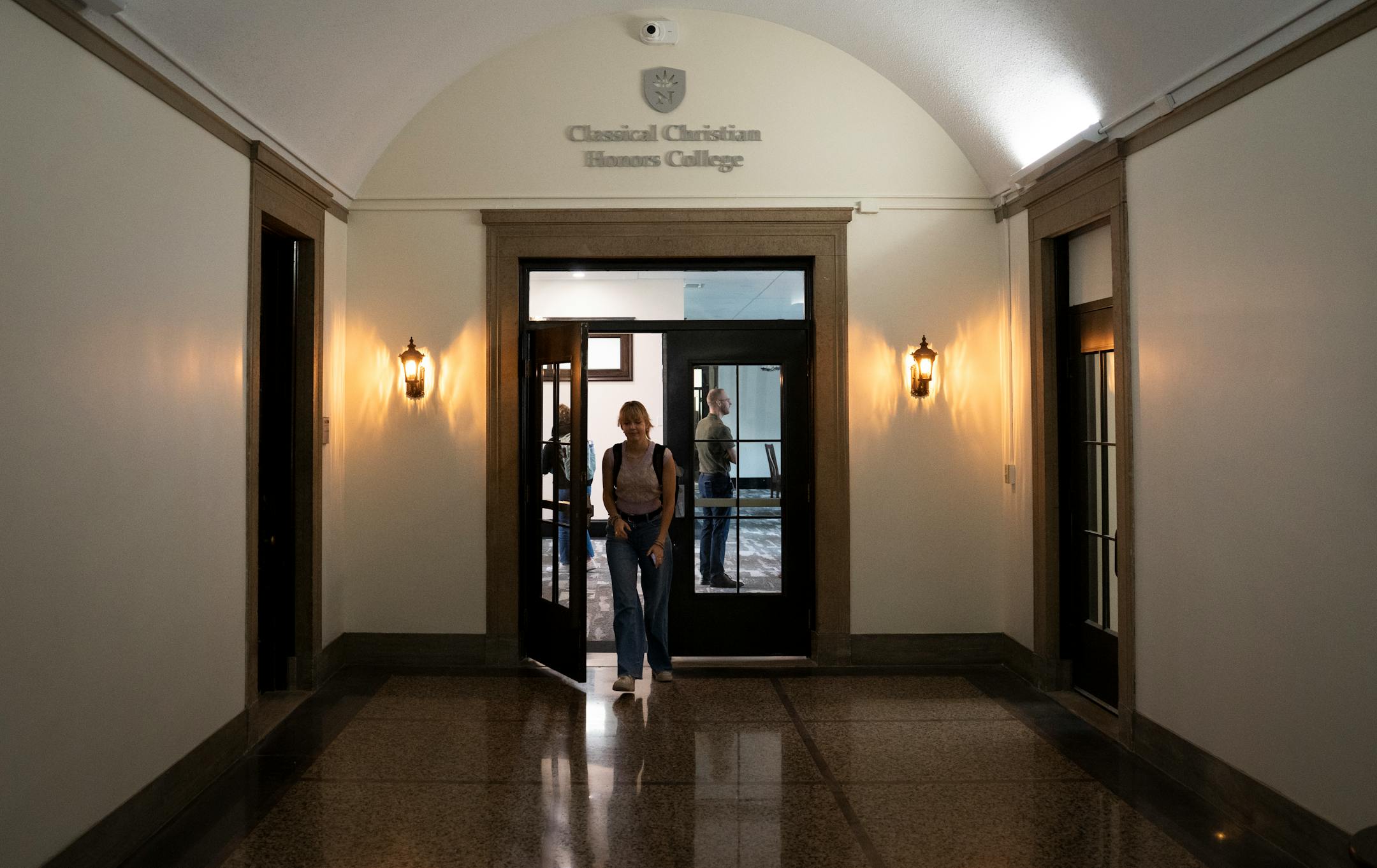
Still, colleges are finding innovative ways to ensure the liberal arts remain relevant and integrated into students’ experiences. Schools are launching classics programs, more students are adding a liberal arts-related double major or minor, and others are flocking to extracurricular activities like theater, officials said.
“People in my field are not simply giving up,” said Chris Gehrz, a history professor at Bethel University. “I think we are trying very hard to tell our story well, to understand where our students are coming from and to try to give them different kinds of experiences.”
Senior Natalee Bushman still believes in the value of a liberal arts degree. Bushman, a double major in English and communications skills at the College of St. Scholastica in Duluth, picked her English major because she loves to read, write and talk with people.
People often asked her what she was going to do with an English major, but that’s died down since she added communications, which is more transferrable to her plans — attending graduate school next year for public policy.