

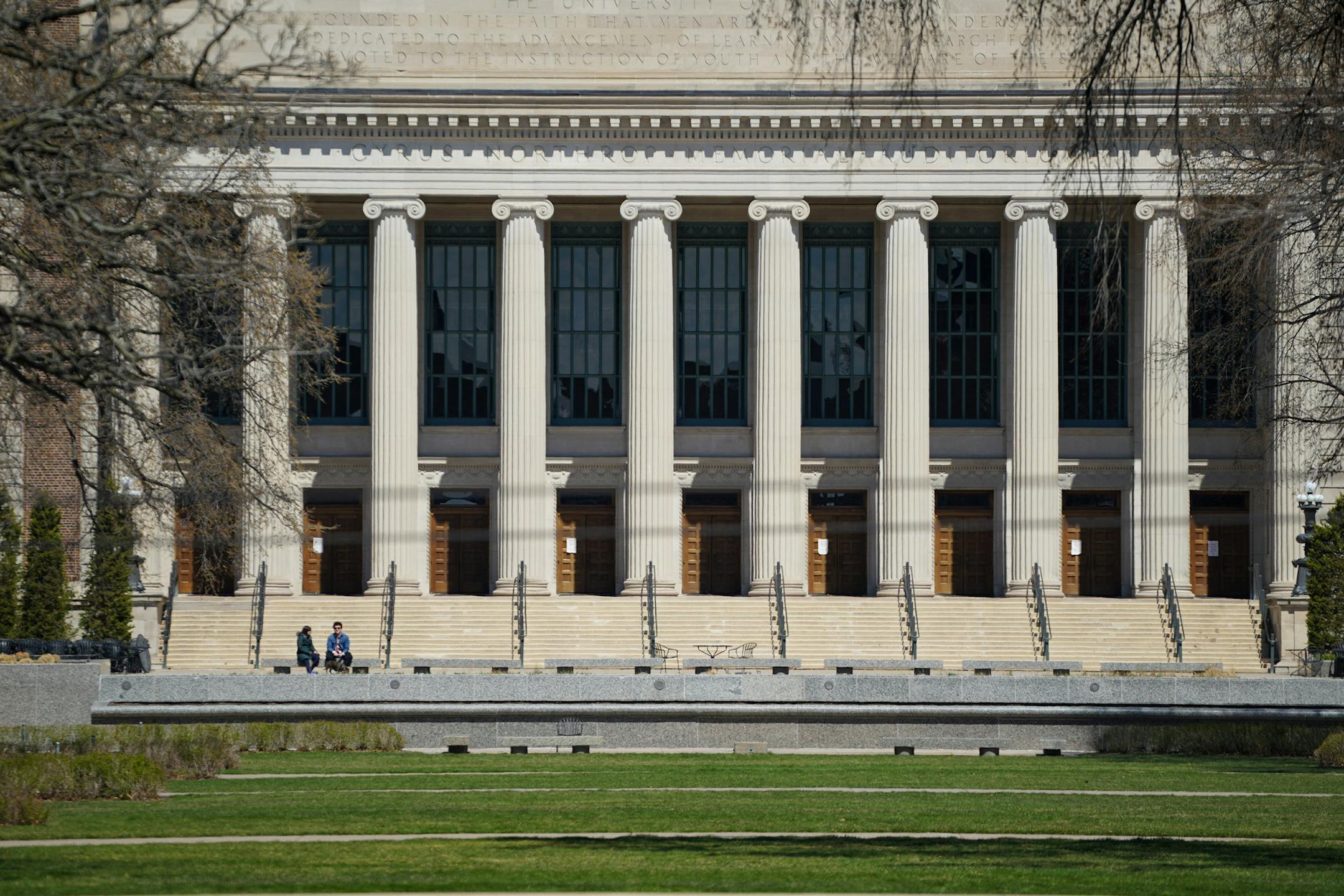
The University of Minnesota will not accept new students into many of its liberal arts doctoral degree programs this fall, pausing admissions to save money during the pandemic and to focus on supporting current students.
English, history, political science, theater arts, and gender, women and sexuality studies are among 12 Ph.D. programs that have temporarily halted admissions. Fifteen additional liberal arts doctoral programs will only accept a limited number of new students this fall. No doctoral programs outside the U's College of Liberal Arts have paused admissions, according to the university.
Students in those doctoral programs are typically guaranteed five years of funding to support their studies. By not admitting a new class of Ph.D. students, U administrators estimate they will save $2 million to $4 million, which will help brace the school for budget uncertainty and possibly fund another year of study for doctoral students whose work has been disrupted by the pandemic. But some fear the admissions freeze will lead to many of the programs being permanently downsized.
"It's not a decision that we took lightly," said Steven Manson, associate dean for research and graduate programs in the College of Liberal Arts. "I think there's a really active and ongoing conversation across academia right now, but particularly in the humanities and social sciences, around right-sizing programs."
More than 100 doctoral programs across the country have enacted a fall admissions pause. In Minnesota, the U appears to be the only public university that has taken this action. Doctoral programs at the seven universities in the Minnesota State system have not changed their admissions plans, a spokesman said.
Manson cited the possibility of state funding cuts as a reason for the hiatus.
Additionally, many Ph.D. students have been forced to delay clinical rotations, travel and field work needed to complete their degrees. And with most colleges freezing hiring during the pandemic, the job market for academics has become bleak. With the admissions pause, some doctoral programs might be able to use institutionally funded teaching assistantships to support students who require a sixth or seventh year of study.
"We want to try to … extend funding beyond five years," said Professor Ann Waltner, chair of the history department. "We're not in a position to promise that, but we really hope that we'll be able to."


