
Takeaways: Mayor Kaohly Her’s agenda for St. Paul

The new mayor outlined priorities, from city budget fixes to pushback against immigration enforcement, in her inaugural address.

The Minnesota Star Tribune
January 2, 2026 at 11:04PM
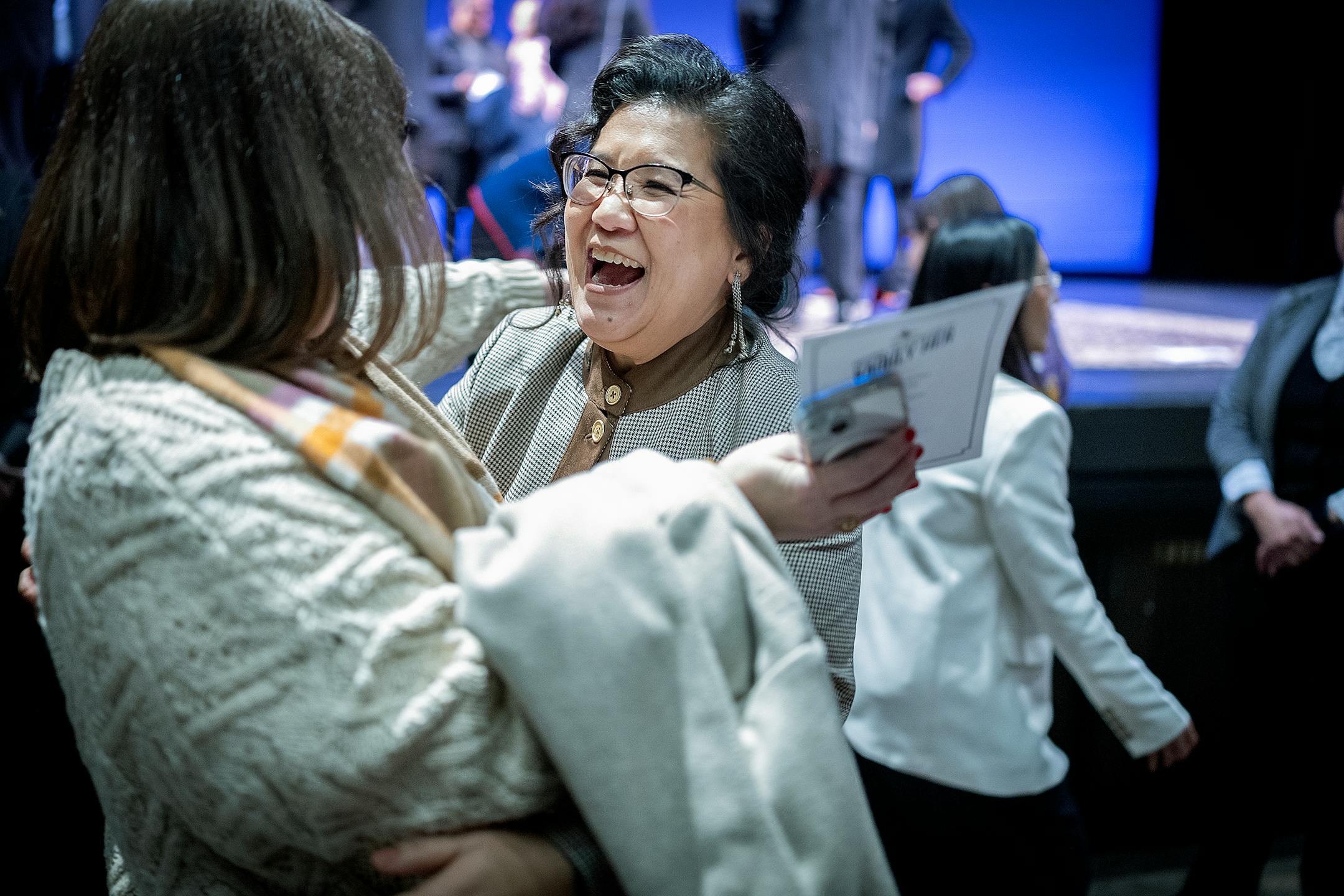
Mayor Kaohly Her receives a hug from someone who attended her inauguration ceremony in St. Paul on Jan. 2. (Elizabeth Flores/The Minnesota Star Tribune)

St. Paul Mayor Kaohly Her became the city’s 56th mayor during a Jan. 2 inauguration ceremony that paid homage to her cultural roots in the Hmong community, her political roots working with the late House Speaker Melissa Hortman and outlined her top priorities as she takes office.

She defeated former Mayor Melvin Carter in November in a close race that went to the second ballot of the ranked-choice election. She credited her campaign’s focus on connecting with voters, who responded to her message of more collaboration and a focus on the nuts-and-bolts of city government.

“We have so many opportunities ahead of us to take big, bold steps to move St. Paul forward, but there are also significant challenges we must face first,” Her said during her inaugural address.

Here are four takeaways from her inauguration at St. Catherine University in St. Paul.

Fixing city finances

St. Paul has high property taxes and is notorious for crummy streets —but Her said there could be more financial trouble ahead.

In meeting with city department heads since the election, Her has tallied approximately $1 billion in deferred maintenance on city property. The majority of that figure comes from the proposed renovations of Grand Casino Arena, but Her said libraries, firefighter training facilities and more will need work.

She said she plans to work with city and legislative leaders to create longer-term plans to budget for these larger expenses and craft more organized bonding requests.

“If we ask our state partners for help, we need to come with a sustainable strategy in hand, so we don’t keep asking for money every couple of decades,” Her said.

Fighting immigration enforcement

Her said St. Paul can do more to push back against the aggressive federal immigration enforcement that has come to the Twin Cities in recent months.

St. Paul has been scrutinized since a November raid that saw city police officers pepper-spraying protesters and shooting them with rubber-coated bullets after federal agents claimed they were being attacked.

Her urged activists to focus their ire on the Trump administration, not police.

“Working together in solidarity is the only way to weather these next few years,” she said. “I am determined not to allow this federal administration to turn us against each other.”

Her suggested working with the City Council to enact an ordinance that would prevent Immigration and Customs Enforcement from gathering in city parks and on other city property.

Another ordinance Her proposed would prohibit federal officers from wearing masks to obscure their faces.

More communication and collaboration

Her campaigned on the promise of a more collaborative approach than Carter, and on Friday repeated her election-night promise to “always show up.”

“That means responding to every request, getting construction permits out the door, and facilitating conversations that keep and retain businesses,” she said. “Being connected matters. Knowing what’s going on in every corner of the city matters – it’s how I can best fight for you as your mayor."

Since her election, Her has toured all seven city wards, sitting in on community meetings and asking questions as she prepared to become mayor.

Celebrating the historic moment

Her is the first woman to serve as St. Paul’s mayor, the first Asian American and the first refugee.

“When we do big things and shatter glass ceilings, we break them open for generations to come,” Her said. “Across our city, young women, my Hmong family, and refugee and immigrant communities will know that no office is too high for them to dream of or reach.”

Her said she stands on the accomplishments of women before her, including Hortman and the all-woman St. Paul City Council.

She delivered her inaugural address flanked by other barrier-breaking Minnesota women: Debbie Montgomery, St. Paul’s first woman police officer and the first Black woman to serve on the City Council; DFL state Sen. Mary Kunesh, the first Indigenous legislator in Minnesota; Susan Kimberly, the first transgender woman to serve as deputy mayor of St. Paul; Choua Lee, the former St. Paul school board member who was the first Hmong person to hold elected office in the United States; and Marcheta Evans, the first Black woman president of St. Catherine University.

about the writer

about the writer

Josie Albertson-Grove

Reporter

Josie Albertson-Grove covers politics and government for the Star Tribune.

See Moreicon

More from News & Politics

See More
card image
Renée Jones Schneider/The Minnesota Star Tribune

The Minnesota Department of Children, Youth and Families is investigating four sites highlighted in a viral video claiming fraud in the state’s child care program.

card image