


Opinion editor’s note: Strib Voices publishes a mix of commentary online and in print each day. To contribute, click here.
•••
For those of us who grew up after the 1960s — at least those of us who are white and were raised in rural Minnesota — it seemed, perhaps, that the battle for civil rights had been fought and won, and that we, lucky us, didn’t have to inconvenience ourselves with it.
Of course we knew about the nation’s history, ranging from its original sin of slavery to its stubborn grip on inequality to the tumultuous era immediately preceding us that aimed, finally, to change all that. But it was abstract.
We knew Black people had suffered. We knew white people had caused it — and had perceived a right to cause it — but those people weren’t us. Maybe we felt superior because we lived in the North. Maybe in moments of real reflection we felt lucky that we didn’t have to truly know how we would have behaved in those situations ourselves. Maybe we felt we could be complacent.
We knew of the leaders. The Rev. Martin Luther King Jr., whose line of thinking felt reasonable to us. Malcolm X, whose didn’t. Even if we failed to properly understand either man.
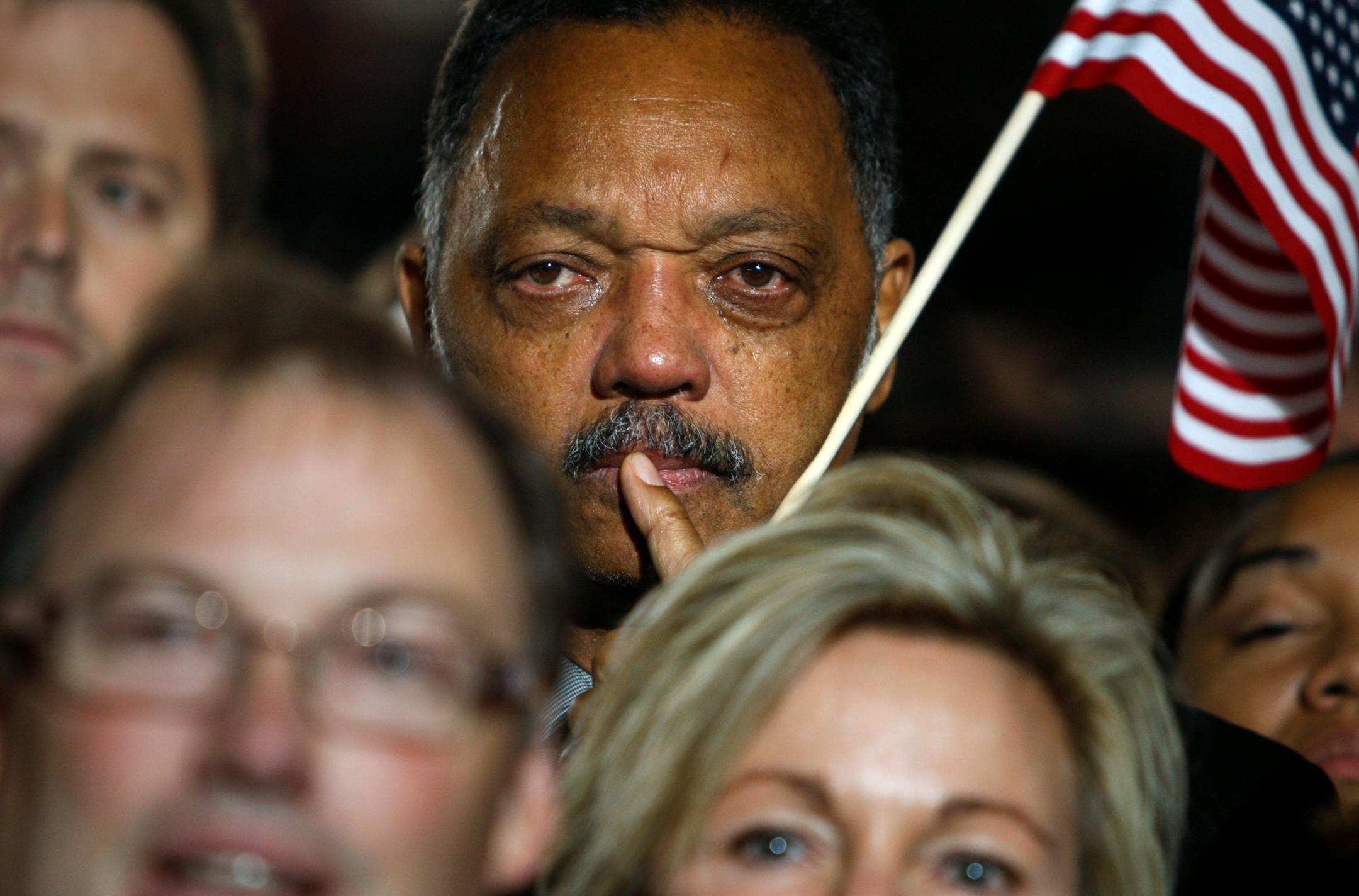
But the leading civil rights figure of our era was Jesse Jackson. His face and his voice were prominent in news coverage, sometimes to the point of caricature. He ran for president, twice, under the aim of expanding the cause of civil rights into a coalition of poor and working-class people of all colors. A Rainbow Coalition.
Jackson died on Tuesday at 84. The cause was not immediately given, but in the last decade he’d struggled with a neurodegenerative condition. In this century he’d become much less broadly visible, but no less an advocate. A New York Times obituary noted that he’d tried to pick up King’s mantle but never achieved the commanding moral stature. Another man, perhaps, misunderstood.


