Opinion editor’s note: Strib Voices publishes a mix of material from 11 contributing columnists, along with other commentary online and in print each day. To contribute, click here.
•••
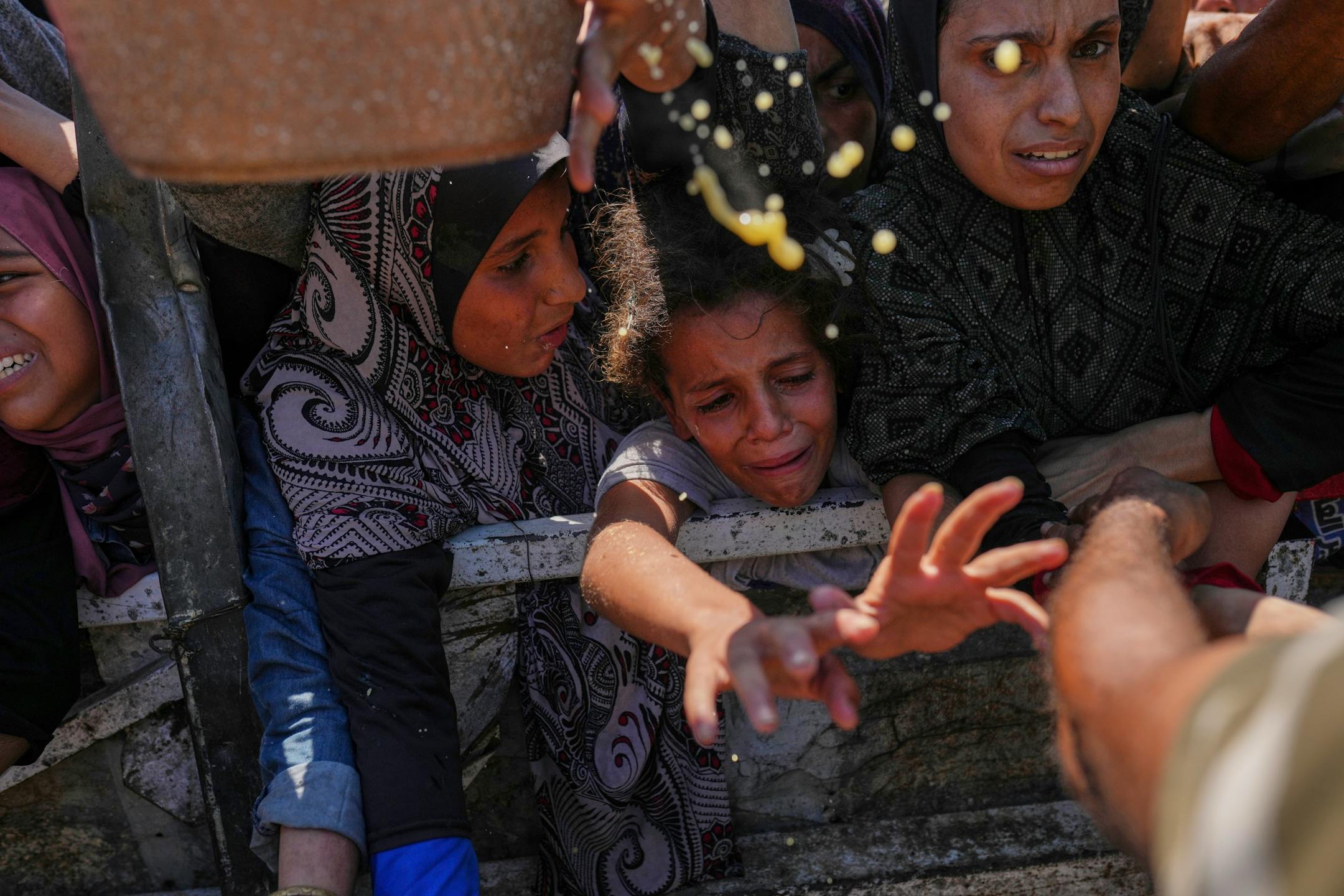
Every day I wake up and read the news. It’s a ritual, but it’s also a risk. A scroll through the headlines often feels like staring directly into the soul of a burning house. Lately that fire has a name: Gaza.
Two million people. Starving. Children with sunken eyes and arms like twigs, parents boiling leaves and cardboard to simulate soup. I’ve read many of the think pieces, notably Jose Andres’ op-ed in the New York Times as well as David Miliband’s in Time Magazine. Two friends, mentors, moral giants, thought partners. I am sickly familiar with their heartbreak.
I’ve seen the logistics of love and the bureaucracy of indifference up close, and yet even knowing what I know, I still feel helpless. Worse, I sometimes feel complicit.
I make television shows about food. I spend part of my professional life glorifying what’s on the plate. Telling stories of abundance, creativity, indulgence. It’s beautiful work. It can be deeply meaningful. But lately, I wonder what it means in a world where people are dying because they don’t have food. What does it mean to describe the perfect xiao long bao while, on the same day, a child in Khan Younis dies from lack of formula?
This isn’t performative guilt. I believe in what I do. Storytelling changes lives. Food is culture, identity, history, diplomacy. It’s medicine. It’s memory. It’s joy. But food is also justice, and the absence of food, especially when it’s preventable, is a crime.
Let’s stop mincing words. Fatal starvation is not a natural disaster. It is not a famine borne of crop failure. It is a deliberate outcome of policy, conflict and moral rot. You don’t accidentally starve two million people. You choose to block aid trucks. You choose to decimate infrastructure. You choose to turn bread into a bargaining chip.