

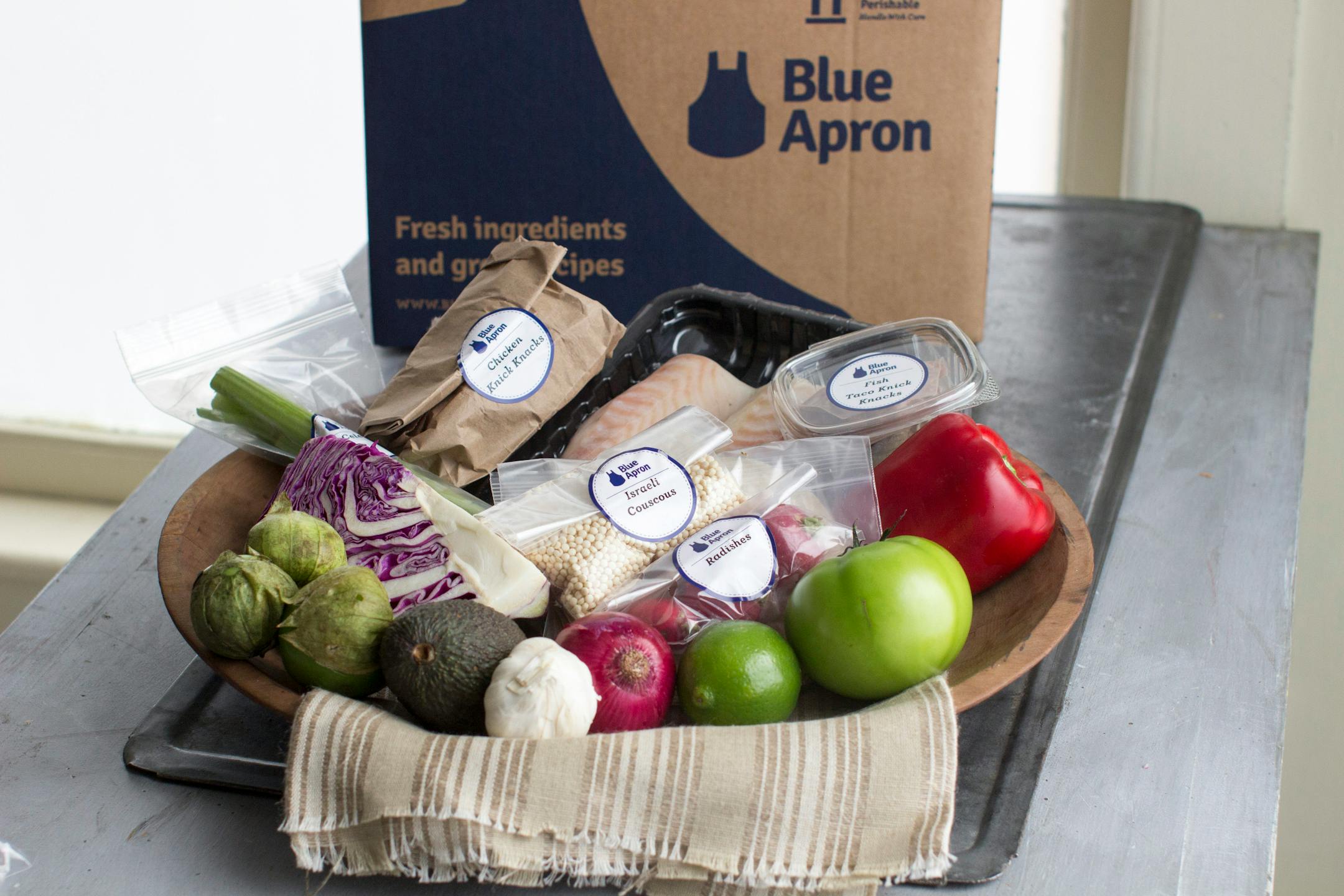
Meal-kit subscriptions boomed in popularity in 2020, when more people were staying home and cooking than going out to eat during the beginning of the COVID-19 pandemic. Companies such as HelloFresh, Blue Apron and EveryPlate catered to customers looking for healthy meals with more variety, made with pre-portioned ingredients shipped to their door.
But now that restaurants and supermarkets are back to business as usual, some meal-kit users are wondering if their subscription is still worth the cost — especially after the promotional offers are gone.
Excluding promotions, meals generally run between $6 to $12 per serving, putting the cost on par with some takeout options.
For some customers, the most important factor in deciding whether to use a meal kit is the price. A subscription may cost more or less than you would typically spend on ingredients, depending on your budget for groceries and dining out, and household size.
"The intro offer pricing was equivalent to my usual weekly grocery budget, but a full-price box wasn't," said Nadia Russell, a health care analyst. She enjoyed the convenience and variety her subscription offered, but she canceled after the promotional period due to the cost increase.
"I could spend the same amount at the grocery store for a week's worth of groceries," said Emily Bird, an administrator for a music distribution company, about the cost of a weekly meal kit package.
But if you would otherwise be purchasing takeout or going to a restaurant, a meal kit could be a cheaper option. It could also be a more appealing option for a larger household: Most services offer a discount for a higher number of servings.
Meal kits can be cost-effective in less-concrete ways. They reduce the time and energy needed to plan meals and shop for groceries, which can hold you back from getting creative in the kitchen.


