

Opinion editor’s note: Strib Voices publishes a mix of guest commentaries online and in print each day. To contribute, click here.
•••
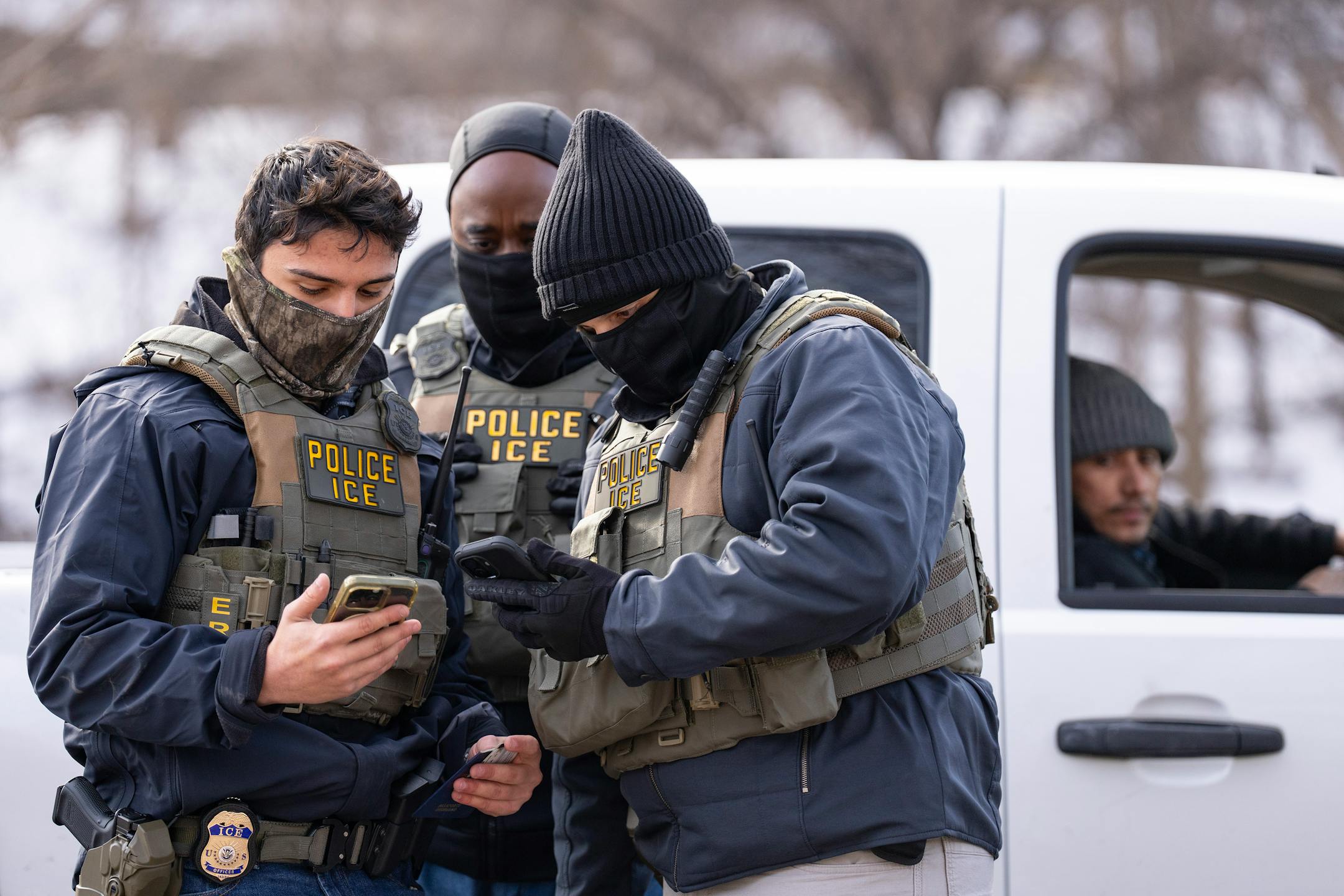
As a Minnesotan, I was relieved to see early this month that the U.S. Immigration and Customs Enforcement Agency would begin drawing down agents in Minnesota, with the further announcement by border czar Tom Homan on Feb. 12 that Operation Metro Surge soon will end. However, as the proud mother of two girls who are recent Minnesota public school graduates, I’m still deeply concerned about the impact these thoughtless, indiscriminate operations have had on our school communities.
For children to be at their best and able to learn, schools need to be safe spaces, something that we too often take for granted. Instead, what we’ve seen in Minnesota at the hands of ICE is school and learning disrupted. After federal agents massed near Roosevelt High School around dismissal time, the Minneapolis Public Schools canceled classes due to safety concerns. Attendance around schools dropped, and some schools shifted to online learning.
I hear the same kind of fears from the teachers I work with. “I want our kids and families to be safe leaving home. They are Americans who have chosen to build lives here,” a teacher in the Boston suburbs, home to a large immigrant community, told us. “They contribute to and build our communities. Their children deserve to learn without fear. That’s their civil and human right.”
The outrageous and unjustified shootings of Renee Good and Alex Pretti only accelerated fear in our communities. Many parents note we’re spending too much money recruiting federal agents and not enough time training them, and are worried that more violence is to come.
As the teachers I work with remind me, some agents have been offered signing bonuses as high as $50,000 — that’s more than the average teacher salary in the United States. The average teacher salary, by comparison, is $46,000. Yet, training for agents was reduced to as little as 48 days.
We live in a county where there is more money for federal agents who are now making our school communities less safe, while at the same time they are cutting funding for the agency dedicated to fighting gun violence — the Bureau of Alcohol, Tobacco and Firearms (ATF). The recently enacted budget from Congress cuts funding for ATF operations by around $40 million compared with last year. The agency is forecast to cut more than 450 staff under the new budget.


